Life & Legacy
Early Life
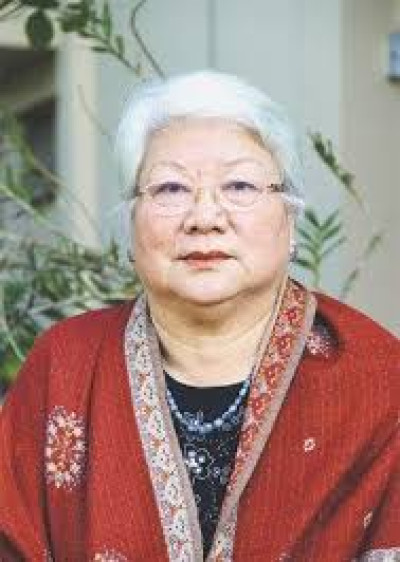
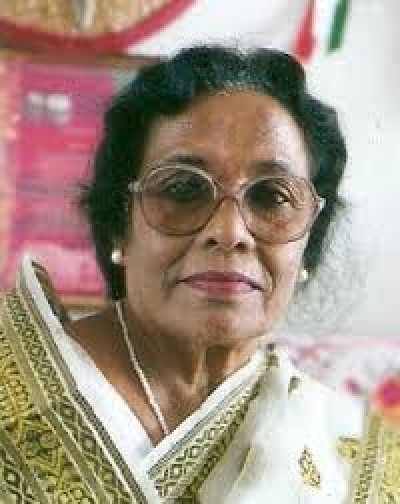
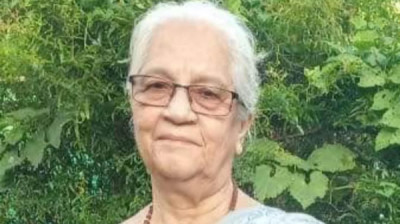
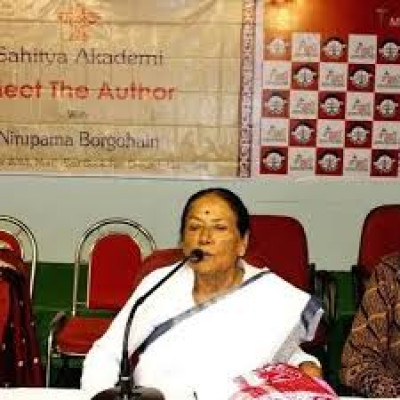
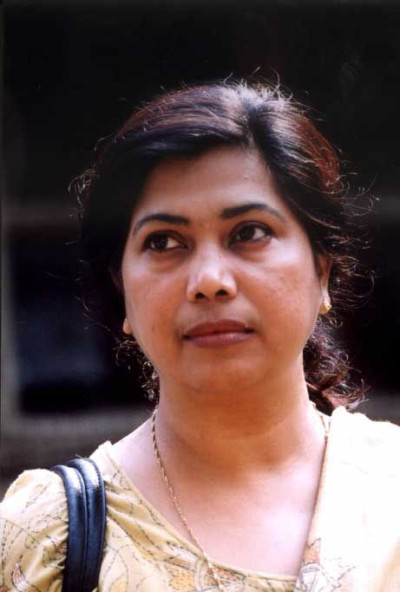
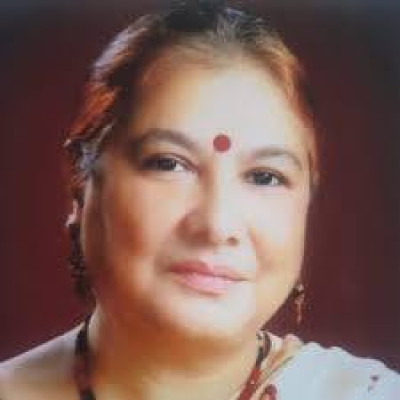
Dr. Arupa Patangia Kalita was born on 31 October 1955 in Golaghat, Assam. She grew up in a culturally rich environment that nurtured her love for literature from an early age. While studying at Golaghat Mission Girls' High School, she began writing short stories inspired by everyday life and social realities. Her early exposure to Assamese culture, language, and the struggles of ordinary people later became the foundation of her literary career.
Education
Dr. Kalita completed her schooling at Golaghat Mission Girls' High School. She pursued her Higher Secondary education and Bachelor of Arts degree at Debraj Roy College, Golaghat. Later, she obtained a Master's degree in English Literature from Gauhati University. She earned her Ph.D. from Gauhati University with research focusing on the portrayal of women characters in the novels of Nobel Prize-winning author Pearl S. Buck, reflecting her lifelong interest in women's studies and literature.
Academic Career
Alongside her literary journey, Dr. Arupa Patangia Kalita built a distinguished academic career. She joined Tangla College in Darrang district as a lecturer in the Department of English and later became the Head of the Department. She served the institution for nearly four decades before retiring in 2016. During her teaching career, she inspired countless students while continuing to write extensively.
Literary Career
Dr. Arupa Patangia Kalita started publishing stories during her teenage years. Over the decades, she established herself as one of the leading voices in Assamese literature.
Her novels and short stories portray the lives of common people, particularly women, who struggle against poverty, violence, social injustice, insurgency, displacement, and gender discrimination. Instead of romanticizing society, she presents realistic narratives that highlight resilience, dignity, and hope.
Her award-winning collection Mariam Austin Othoba Hira Barua received widespread appreciation for its sensitive depiction of loneliness, identity, and changing social values. Another highly acclaimed novel, Felani, explores the human consequences of ethnic violence and social unrest in Assam. Many of her works have been translated into English, Hindi, Bengali, Marathi, Bodo, and other Indian languages, allowing readers across the country to appreciate Assamese literature.
Apart from fiction, she has translated internationally renowned literary works into Assamese, helping bridge global and regional literature.
Literary Themes
The major themes found in Dr. Arupa Patangia Kalita's writings include:
- Women's rights and empowerment.
- Social inequality.
- Rural Assamese life.
- Ethnic conflict and insurgency.
- Human relationships.
- Poverty and displacement.
- Assamese culture and traditions.
- Identity and social justice.
- Psychological struggles.
- Humanity and compassion.
Major Achievements
- One of the most respected contemporary Assamese authors.
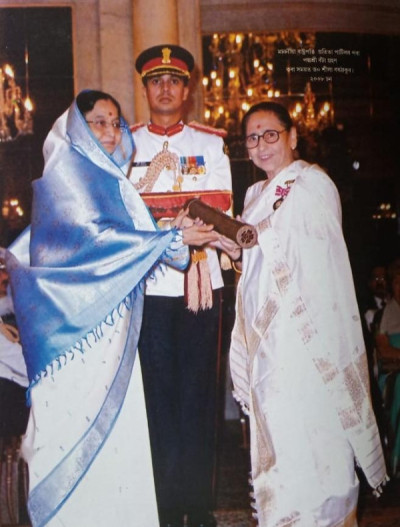
- Recipient of the Sahitya Akademi Award.
- Authored numerous novels, short story collections, children's books, travel writings, and translations.
- Books translated into several Indian languages and English.
- Contributed significantly to Assamese feminist literature.
- Served as Head of the English Department at Tangla College.
- Inspired generations of readers and writers through socially relevant literature.
- Several literary works included in academic curricula and university studies.
Awards and Recognition
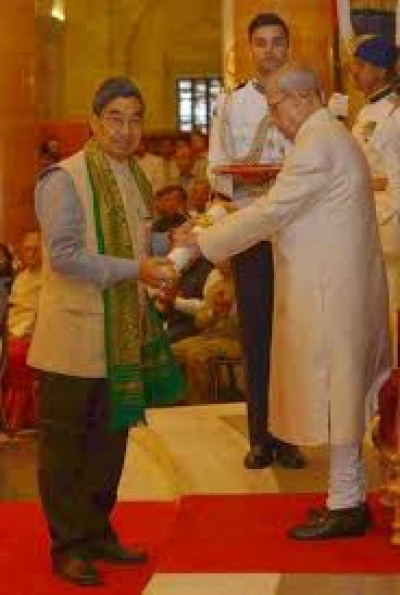
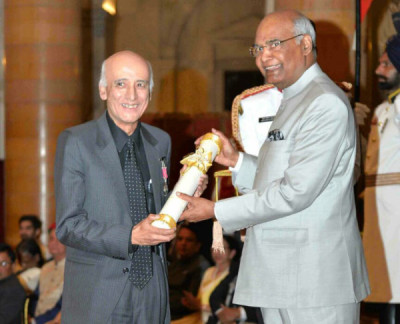
- Sahitya Akademi Award (2014).
- Bharatiya Bhasha Parishad Award.
- Katha Prize.
- Assam Valley Literary Award.
- Probina Saikia Award.
- Sahitya Sanskriti Award.
- Lekhika Samaroh Sahitya Award.
- Distinguished Women Award.
- Shrimoyi Asomi Award.
- Trailokyanath Goswami Memorial Katha Sahitya Award.
- Parimal Chandra Brahma Literary Award.
- Several other regional and national literary honours.
Positions Held
- Head, Department of English, Tangla College.
- Lecturer in English, Tangla College.
- Assamese Novelist.
- Short Story Writer.
- Literary Translator.
- Literary Critic.
- Academic Researcher.
Books Written
Some of Dr. Arupa Patangia Kalita's notable books include:
Novels:
- Mriganabhi
- Ayananta
- Felani
- Tokora Bahar Sonor Beji
- Jaltarangar Sur
- Joxonar Jhitash
- Sabatokoi Neela Chokujuri
- Taniya (Children's Novel)
Short Story Collections:
- Mariam Austin Othoba Hira Barua
- Alexander Banur Jan
- Millenniumor Sopon
- Moruyatra
- Pani Gavini Asil Aru Others
- Manuhjoni Fesa Hol
Translations and Other Works:
- Assamese translation of The Bluest Eye by Toni Morrison.
- Translation of Russian and Chinese folk tales.
- Various essays, travel writing, and literary translations.
Legacy
Dr. Arupa Patangia Kalita has played a significant role in shaping modern Assamese literature through her realistic and socially conscious writing. Her works have preserved the history, emotions, and struggles of Assamese society while giving voice to women and marginalized communities. Her literary achievements continue to inspire readers, scholars, and emerging writers, making her one of the most influential literary personalities from Assam.
FAQs about Dr. Arupa Patangia Kalita
1. Who is Dr. Arupa Patangia Kalita?
Dr. Arupa Patangia Kalita is a renowned Assamese novelist, short story writer, translator, and retired English professor known for her contribution to modern Assamese literature.
2. Why is Dr. Arupa Patangia Kalita famous?
She is famous for her award-winning novels and short stories that portray Assamese society, women, social conflict, and human relationships with realism and sensitivity.
3. Which award did Dr. Arupa Patangia Kalita receive?
She received the prestigious Sahitya Akademi Award in 2014 for her short story collection Mariam Austin Othoba Hira Barua.
4. Where was Dr. Arupa Patangia Kalita born?
She was born in Golaghat, Assam, on 31 October 1955.
5. What are the famous books written by Dr. Arupa Patangia Kalita?
Her notable books include Felani, Mriganabhi, Ayananta, Tokora Bahar Sonor Beji, Joxonar Jhitash, and Mariam Austin Othoba Hira Barua.
6. Where did Dr. Arupa Patangia Kalita work as a professor?
She served as a lecturer and later as the Head of the Department of English at Tangla College, Assam.
7. What themes are reflected in Dr. Arupa Patangia Kalita's writings?
Her writings focus on women's issues, Assamese society, insurgency, social justice, poverty, displacement, cultural identity, and human emotions.
8. Has Dr. Arupa Patangia Kalita translated books?
Yes. She has translated The Bluest Eye by Toni Morrison and several collections of international folk tales into Assamese.
9. Has Dr. Arupa Patangia Kalita written children's books?
Yes. She has written children's literature, including Taniya and other works for young readers.
10. Why is Dr. Arupa Patangia Kalita important in Assamese literature?
She is regarded as one of the leading voices in contemporary Assamese literature for her realistic storytelling, literary excellence, and lasting contribution to regional and Indian literature.