Life & Legacy
Early Life
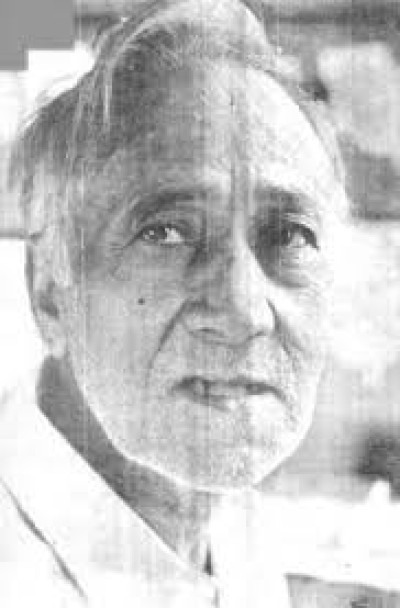
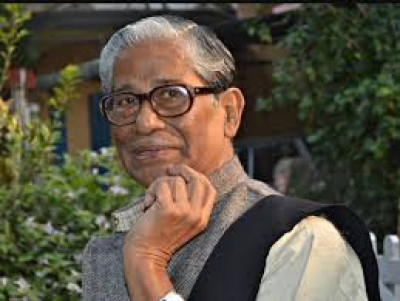
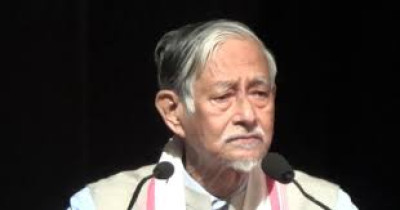
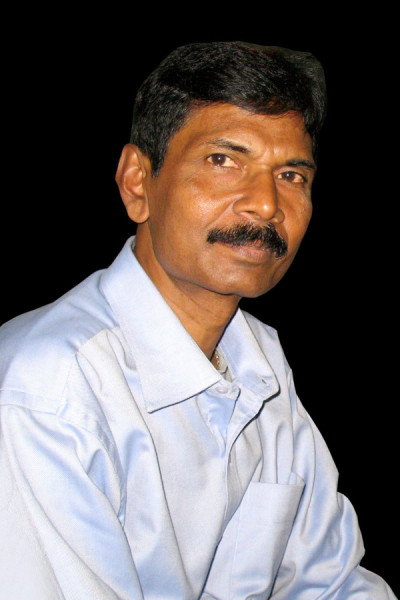
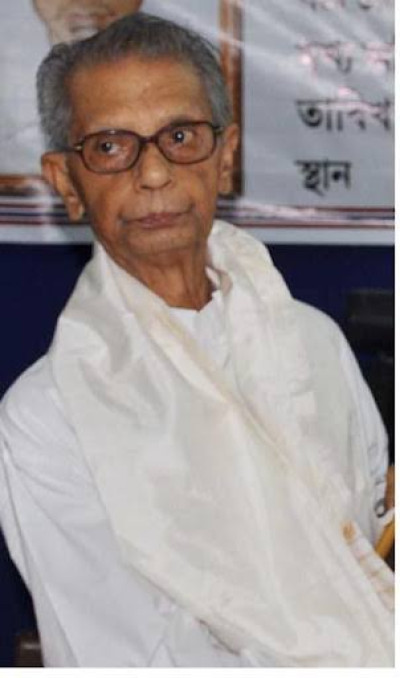
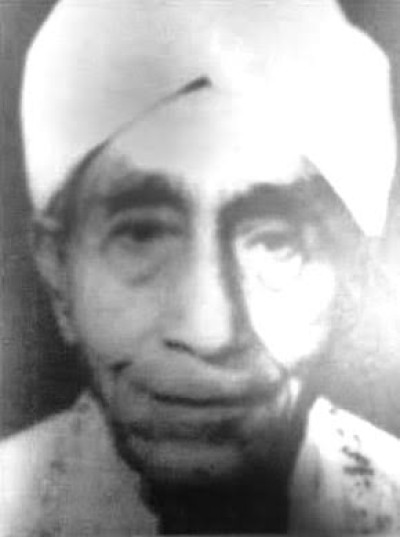
Joynacharan Bathari was born on 1 July 1940 in Jorai Bathari village in the present-day Dima Hasao district of Assam, formerly known as North Cachar Hills. Growing up in a culturally vibrant tribal society, he developed a deep interest in traditional Dimasa songs, rituals, and musical instruments from a young age. His passion for preserving his community's heritage inspired him to dedicate his entire life to folk music and cultural activities.
Education
Publicly available information regarding Joynacharan Bathari's formal education is limited. However, his extensive knowledge of Dimasa traditions, folklore, rituals, and indigenous music reflects decades of learning through community practice, cultural participation, and lifelong dedication to preserving tribal heritage.
Career
Joynacharan Bathari began his career as a government employee in the Sub-Divisional Office at Haflong, where he served until his retirement in 1998. Alongside his official duties, he continuously promoted Dimasa folk music by performing across Assam and other parts of India.
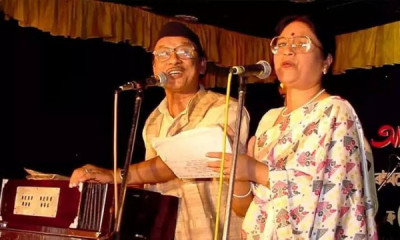
His powerful performances earned him invitations to present Dimasa folk songs on All India Radio stations, including AIR Silchar, AIR Haflong, AIR Dibrugarh, and AIR Shillong. He also represented Assam at numerous cultural festivals held in Guwahati, Silchar, Diphu, Maibang, Agartala, Delhi, Umrangso, and several other locations.
Joynacharan Bathari is highly skilled in playing traditional Dimasa musical instruments such as the Khram (traditional drum) and the Muri (traditional flute or pepa). Besides music, he made significant contributions to the revival and promotion of traditional Dimasa dances, including Baidima, Jaobani, and Jaopinbani, helping preserve these cultural expressions for future generations.
Following his retirement, he remained actively involved in social and cultural service. He served as Assistant Khunang (Gaon Bura), later as Khunang (Gaon Bura), worked as Mouzadar of Haflong Mauza, and also performed the responsibilities of a traditional Dimasa priest. His active association with the Dimasa apex organization Jadikhe Naisho Hoshom further strengthened his role as a cultural leader.
Literary Contributions
Apart from being a folk artist, Joynacharan Bathari has contributed to preserving Dimasa folklore through writing. His published works document traditional stories that have been passed down orally for generations.
Books written by Joynacharan Bathari:
- The Monkey and the Tortoise
- Tale of an Elderly Dimasa Couple
These publications have helped preserve valuable aspects of Dimasa folklore for future readers and researchers.
Major Achievements
- Dedicated more than 60 years to preserving Dimasa folk music.
- Popularized traditional Dimasa songs across India.
- Expert performer of Khram and Muri traditional instruments.
- Revived Dimasa folk dances including Baidima, Jaobani and Jaopinbani.
- Promoted Dimasa culture through All India Radio broadcasts.
- Authored books documenting traditional Dimasa folklore.
- Inspired younger generations to preserve indigenous tribal traditions.
Awards and Recognition
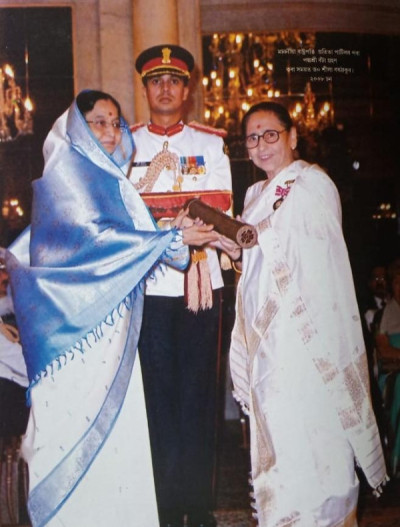
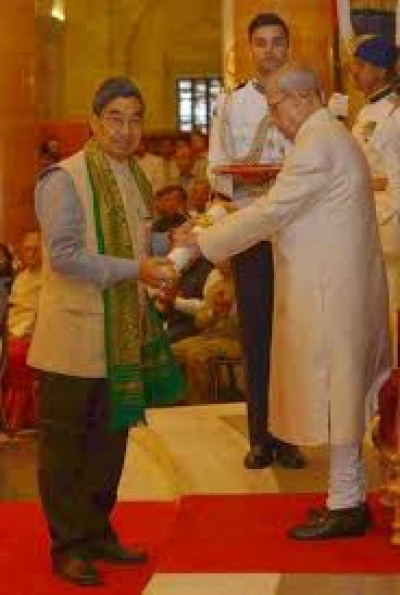
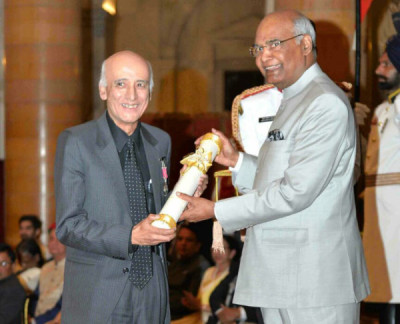
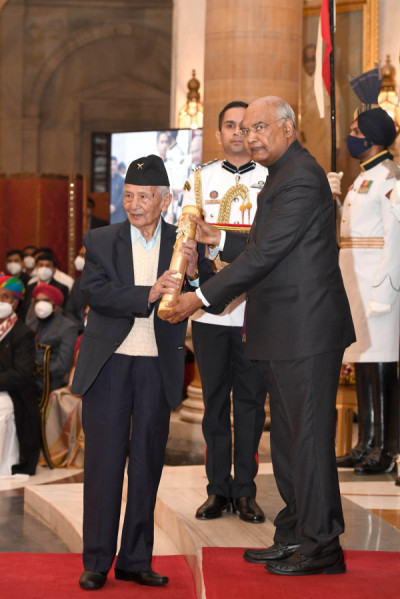
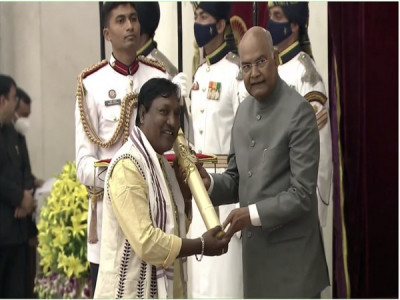
- Padma Shri, Government of India (2025)
- Pratima Baruah Pandey Memorial Award by All Assam Students' Union (2013)
- Lifetime Achievement Award by Akhil Bharat Hindu Sammelan, Assam (2018)
- Johaya Bathari Award (2018)
- Honored by several cultural and social organizations of Dima Hasao for preserving Dimasa heritage.
Positions Held
- Government employee, Sub-Divisional Office, Haflong
- Assistant Khunang (Gaon Bura)
- Khunang (Gaon Bura)
- Mouzadar of Haflong Mauza
- Traditional Dimasa Priest
- Senior cultural ambassador of the Dimasa community
- Folk singer and cultural mentor
FAQs about Joynacharan Bathari
1. Who is Joynacharan Bathari?
Joynacharan Bathari is a renowned Dimasa folk artist from Assam who has dedicated over six decades to preserving Dimasa music, dance, folklore, and indigenous traditions.
2. Why is Joynacharan Bathari famous?
He is famous for safeguarding Dimasa folk culture, performing traditional music across India, documenting folklore, and receiving the Padma Shri in 2025.
3. When and where was Joynacharan Bathari born?
He was born on 1 July 1940 in Jorai Bathari village of Dima Hasao district, Assam.
4. Which musical instruments does Joynacharan Bathari play?
He is an expert in playing traditional Dimasa instruments such as the Khram (drum) and the Muri (flute/pepa).
5. Which folk dances did Joynacharan Bathari help preserve?
He played an important role in promoting traditional Dimasa dances such as Baidima, Jaobani, and Jaopinbani.
6. Which books were written by Joynacharan Bathari?
His notable books include The Monkey and the Tortoise and Tale of an Elderly Dimasa Couple, which preserve traditional Dimasa folklore.
7. Which awards has Joynacharan Bathari received?
He has received the Padma Shri, Pratima Baruah Pandey Memorial Award, Lifetime Achievement Award, Johaya Bathari Award, and several other cultural honors.
8. What government positions did Joynacharan Bathari hold?
He served in the Sub-Divisional Office at Haflong, worked as Assistant Khunang, Khunang (Gaon Bura), Mouzadar, and later served as a traditional Dimasa priest.
9. Is Joynacharan Bathari still alive?
Yes. Joynacharan Bathari continues to be recognized as one of the most respected cultural icons of the Dimasa community and Assam.
10. Why is Joynacharan Bathari important in Assam's cultural history?
His lifelong work in preserving Dimasa folk music, tribal traditions, oral literature, and indigenous musical heritage has made him one of Assam's most influential folk artists and cultural ambassadors.