Life & Legacy
Early Life
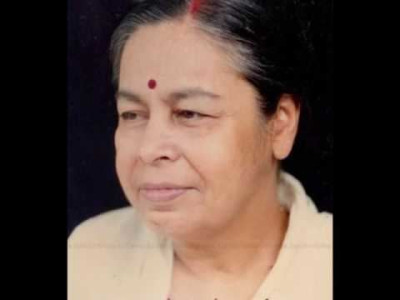
Dipali Barthakur was born on 30 January 1941 at Neelamoni Tea Estate near Sonari in present-day Charaideo district of Assam, which was then part of Sivasagar district. She was born into a culturally enriched family. Her father, Bishwanath Barthakur, encouraged her interest in music from an early age, while her mother, Aimoni Barthakur, supported her artistic development.
Growing up in an environment where music was deeply appreciated, Dipali developed exceptional singing abilities during childhood. Her elder brothers also nurtured her musical talent, helping her become one of the finest voices Assam has ever produced.
Education
Dipali Barthakur completed her schooling at Sivasagar High School. After passing her matriculation examination, she pursued higher education at Cotton College in Guwahati and later continued her studies at Sontikei Girls' College. Alongside her education, she remained actively involved in music and cultural programmes, gradually building a strong foundation for her future career.
Musical Career
Dipali Barthakur began singing at a very young age and made her early public performances during childhood. Her talent soon attracted the attention of prominent musicians and cultural personalities of Assam. She became associated with All India Radio (AIR), Guwahati, where her melodious voice quickly gained popularity among listeners across the state.
One of her earliest radio broadcasts became an instant success and established her as a promising young singer. She later entered Assamese cinema as a playback singer and received widespread appreciation for her soulful voice. Her songs beautifully reflected Assamese culture, traditions, folk melodies, and emotions, making them timeless classics.
Some of her most memorable songs include:
- Sonor Kharu Nalage Mok
- Jon Dhane Jonalite
- Joubone Amoni Kore
- Konman Borshire Chip
- Senai Moi Jaon Dei
- O Bondhu Samay Pale Amar Phale
- Kon Sei Rupawati Jai
- Sonowali Buta Bosa Asomiya Pat
- Agoli Kalapat Lare Ki Sare
- Luit Neyabi Oi
Her playback singing in the Assamese film Lachit Borphukan further strengthened her reputation as one of the finest female voices in Assamese cinema.
Marriage and Personal Life
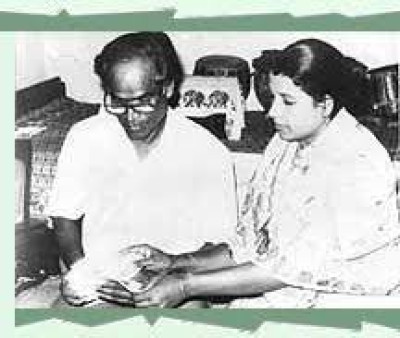
In 1976, Dipali Barthakur married renowned Assamese painter Neel Pawan Barua, one of the leading modern artists from Assam. Their marriage became an inspiring example of love, devotion, and mutual respect. During her prolonged illness, Neel Pawan Barua remained by her side with unwavering dedication, caring for her throughout her difficult years. Their relationship continues to be remembered as one of the most admired partnerships in Assam's cultural history.
Illness and Courage
At the peak of her musical career, Dipali Barthakur was diagnosed with motor neuron disease, a progressive neurological disorder that gradually affected her ability to sing and move independently. Her final recorded song was released in 1969 before the illness forced her to withdraw from public performances.
Although the disease confined her to a wheelchair and ended her singing career, she faced every challenge with remarkable courage and dignity. Her determination and positive spirit inspired countless admirers throughout Assam.
Major Achievements
- Popularly known as the "Nightingale of Assam."
- One of the most celebrated playback singers in Assamese music.
- Popularised Assamese folk and modern songs across India.
- Became a permanent artist of All India Radio, Guwahati.
- Sang memorable songs for Assamese films and cultural programmes.
- Inspired generations of Assamese singers through her timeless musical legacy.
- Helped preserve and promote Assamese musical traditions.
Awards and Recognition
Dipali Barthakur received several prestigious honours for her outstanding contribution to Indian music and Assamese culture.
Her major awards include:
- Padma Shri (1998) by the Government of India.
- Assam Government Artist Award (2010).
- Leo Expo Artist Award (2007).
- Aideu Handique Award (2012).
- Best Singer Award at the Assam Sangeet Natak Akademi Music Festival (1956).
- Financial assistance and recognition from the Government of Assam for her lifelong contribution to music.
These honours recognised her extraordinary contribution to Assamese music despite her comparatively short performing career.
Death
Dipali Barthakur passed away on 21 December 2018 at Nemcare Hospital in Guwahati after a prolonged illness. She was 77 years old. Her funeral was conducted with full state honours, reflecting the immense respect she earned throughout her life. Her passing was widely mourned by artists, musicians, political leaders, and music lovers across Assam and India.
Legacy
Dipali Barthakur occupies a permanent place in the history of Assamese music. Her songs continue to be broadcast on radio, television, and digital platforms, introducing new generations to the rich musical heritage of Assam. Even decades after her last performance, her melodious voice remains synonymous with Assamese cultural identity.
She is remembered not only for her exceptional singing talent but also for her courage in facing illness with dignity and grace. As the "Nightingale of Assam," Dipali Barthakur's legacy continues to inspire singers, musicians, and admirers across the world.
FAQs Dipali Barthakur
1. Who was Dipali Barthakur?
Dipali Barthakur was a legendary Assamese playback and folk singer popularly known as the "Nightingale of Assam." She was celebrated for her melodious voice and timeless Assamese songs and received the Padma Shri for her contribution to Indian music.
2. Why is Dipali Barthakur called the Nightingale of Assam?
She earned the title "Nightingale of Assam" because of her melodious voice, remarkable singing talent, and lasting contribution to Assamese music through radio, films, and cultural performances.
3. When and where was Dipali Barthakur born?
Dipali Barthakur was born on 30 January 1941 at Neelamoni Tea Estate near Sonari in present-day Charaideo district, Assam.
4. Which are the most popular songs of Dipali Barthakur?
Some of her most popular songs include Sonor Kharu Nalage Mok, Jon Dhane Jonalite, Joubone Amoni Kore, Konman Borshire Chip, Senai Moi Jaon Dei, O Bondhu Samay Pale Amar Phale, Kon Sei Rupawati Jai, and Luit Neyabi Oi.
5. Who was Dipali Barthakur's husband?
Dipali Barthakur was married to renowned Assamese painter Neel Pawan Barua in 1976. He remained devoted to her throughout her prolonged illness.
6. Which awards were received by Dipali Barthakur?
Her major honours include the Padma Shri (1998), Assam Government Artist Award (2010), Leo Expo Artist Award (2007), Aideu Handique Award (2012), and the Best Singer Award at the Assam Sangeet Natak Akademi Music Festival.
7. Why did Dipali Barthakur stop singing?
Her singing career ended after she was diagnosed with motor neuron disease, a progressive neurological disorder that gradually affected her voice and mobility.
8. When did Dipali Barthakur pass away?
Dipali Barthakur passed away on 21 December 2018 at Nemcare Hospital in Guwahati after a prolonged illness.
9. What is Dipali Barthakur's contribution to Assamese music?
She popularised Assamese folk and modern songs, became one of the leading playback singers of Assamese cinema, and helped preserve the musical heritage of Assam through her unforgettable performances.
10. Why is Dipali Barthakur remembered today?
Dipali Barthakur is remembered for her soulful voice, timeless songs, remarkable courage in facing illness, and her immense contribution to Assamese music and culture. Her legacy continues to inspire singers and music lovers across generations.