Life & Legacy
Early Life
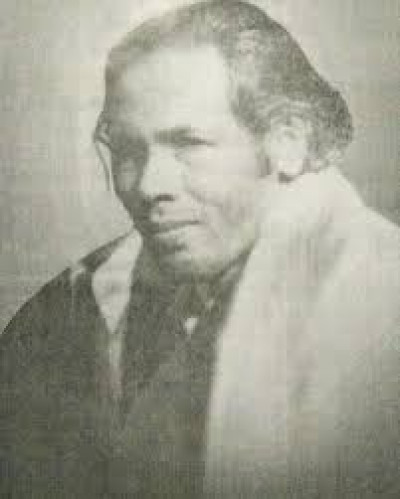
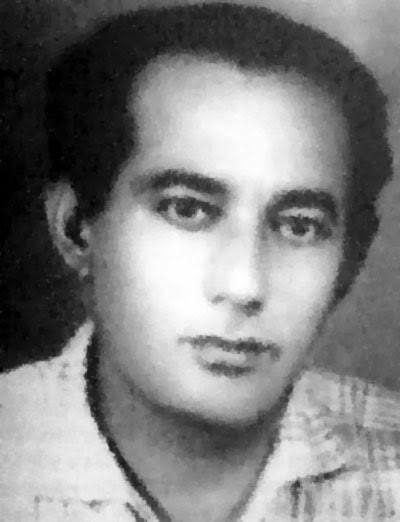
Rudra Baruah was born in 1926 at Bhimor village near Puranigudam in present-day Nagaon district, Assam. His father was Bordakanta Baruah and his mother was Hiralata Baruah. He belonged to a respected family connected with the Rajaghariya lineage. His childhood was marked by hardship after the early death of his father, forcing the family to struggle financially. Despite these challenges, his love for music and literature remained strong.
He received his primary education at Mikirhat Primary School and passed the matriculation examination from Radhakanta Baruah High School in 1945. Due to financial difficulties during World War II, he worked as a road labourer before continuing his education. Later, he studied at Nagaon College and moved to Shillong, where he completed his graduation from St. Anthony's College in 1951 while working to support himself.
Musical Journey
From a young age, Rudra Baruah was deeply influenced by Assam's traditional culture. Regular participation in Bhaona performances, Naam-Prasanga, Borgeet, Bihu celebrations and village folk traditions shaped his musical vision. He believed Assamese folk music could gain recognition across the country if presented with originality and quality.
During his stay in Shillong, he became actively involved with several cultural organizations and his songs began to be broadcast by All India Radio. His unique ability to blend folk melodies with modern musical arrangements earned him immense popularity. His compositions reflected the beauty of rural Assam, the Brahmaputra, village life, nature and human emotions.
One of his greatest contributions was identifying and nurturing talented singers. He encouraged and trained several young artists who later became renowned names in Assamese music. His dedication to promoting new talent significantly enriched the state's cultural landscape.
Career
Apart from being a singer and composer, Rudra Baruah worked in the Public Relations Department of the Government of Assam. He played an important role in establishing the Culture and Film Division, which helped strengthen Assam's performing arts and film industry.
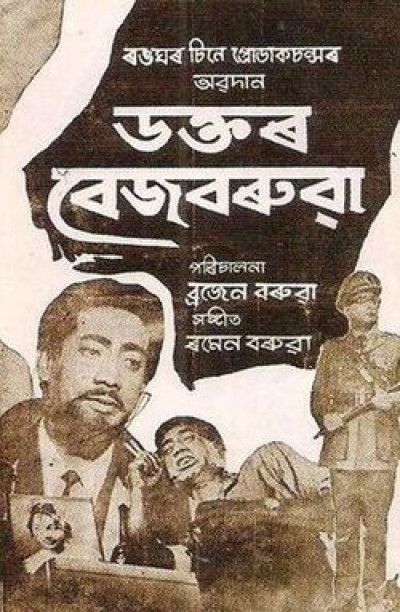
He also worked as an actor and music director in Assamese cinema. His contribution to Assamese films demonstrated his versatility and his commitment to promoting regional culture through multiple artistic forms.
Major Achievements
- Recognized as "Luit Konwar" for his exceptional contribution to Assamese music.
- Popularly known as "Kalongporiya Geetikaar."
- Modernized Assamese folk music while preserving its traditional essence.
- Worked as lyricist, composer, singer, actor and music director.
- Helped establish the Culture and Film Division of the Government of Assam.
- Mentored numerous young Assamese singers and performers.
- Popularized Assamese music through All India Radio broadcasts.
- Made significant contributions to Assamese cinema and stage performances.
Notable Songs
Some of his most celebrated songs include:
- Poka Dhanor Maje Maje
- Kolore Patote Kauri Pare
- Kasat Kolosi Hali Jali
- Hal Bao Moi Halua
- O Tulutulu O Bulbul
- Tantar Dorepoti
- O Hera Jetuki Bai
- O Moina Senai Tor Othor Hahi Horile Kone
- Luitor Parat Duti Phul Bonoriya
- Jonodhon Jonolite
- Boroxunor Botorot
These songs continue to be performed by leading Assamese singers and remain popular among music lovers.
Film Contributions
- Music Director - Kallol
- Actor in Assamese films and stage productions
- Contributor to Assamese cultural and musical movements
Positions Held
- Cultural Officer, Government of Assam
- Founder of the Culture and Film Division under the Government of Assam
- Music Director
- Lyricist
- Composer
- Singer
- Actor
- Cultural Organizer
Awards and Recognition
Although Rudra Baruah did not receive many major national awards during his lifetime, his contribution has been widely acknowledged after his death.
- Honoured with the title "Luit Konwar."
- The Government of Assam established the Luit Konwar Rudra Baruah State College of Music and Dance in his memory.
- Several cultural organizations regularly organize memorial programmes celebrating his musical legacy.
- Gauhati University instituted the "Luit Konwar Rudra Baruah Award" for outstanding performance in Borgeet.
Death
Rudra Baruah passed away on 14 February 1980 after a prolonged illness. His death was a great loss to Assamese music and culture. Even decades later, his compositions continue to be sung, studied and admired, ensuring that his contribution to Assamese cultural heritage remains alive for future generations.
FAQs about Rudra Baruah