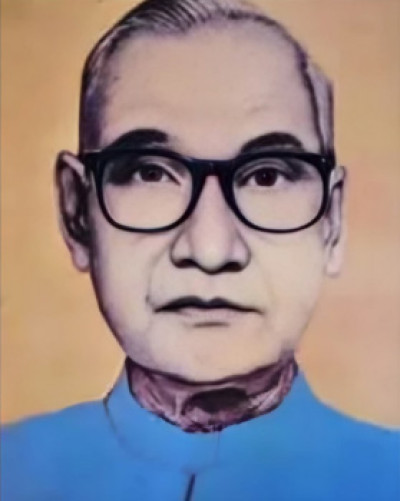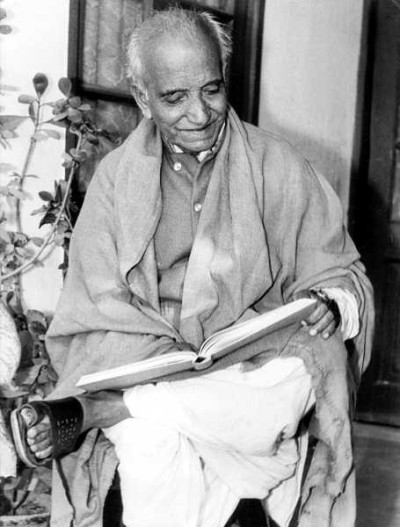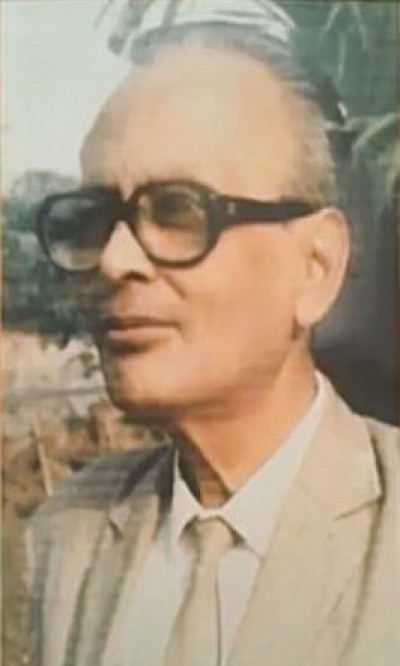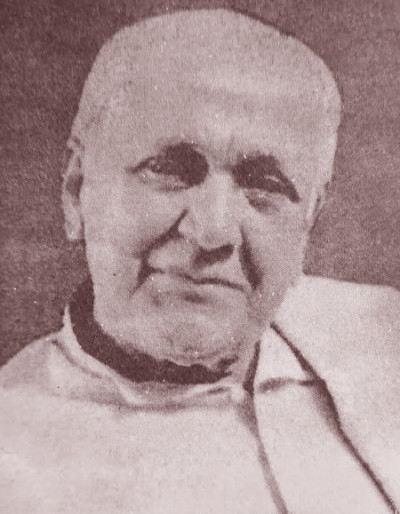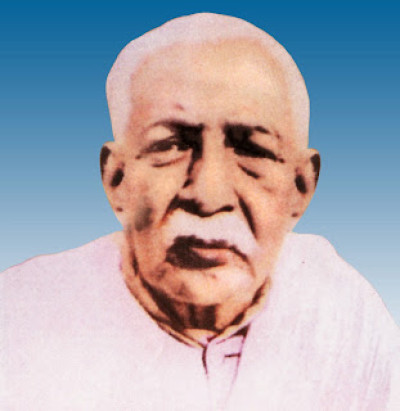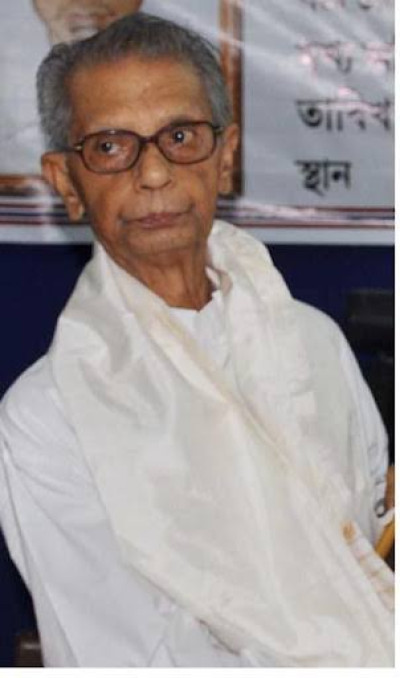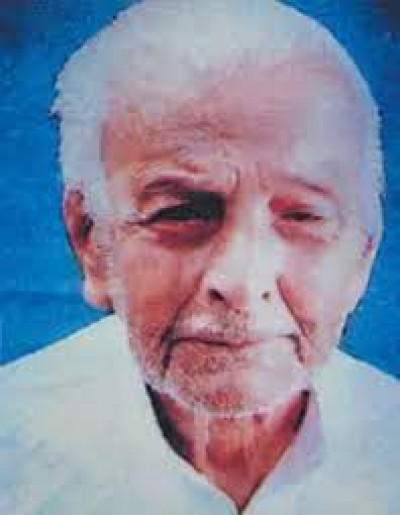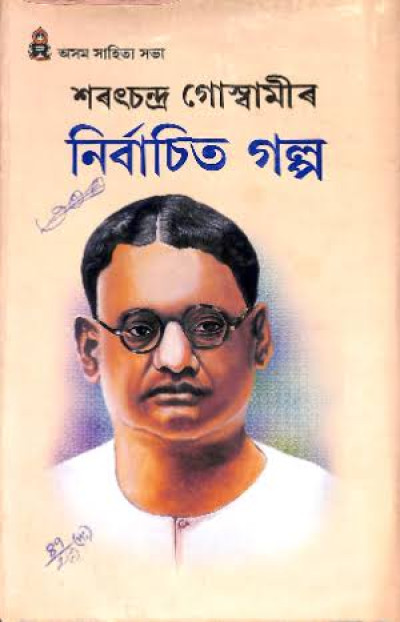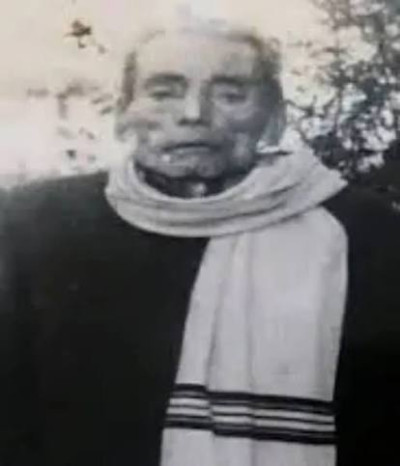
Life & Legacy
Early Life
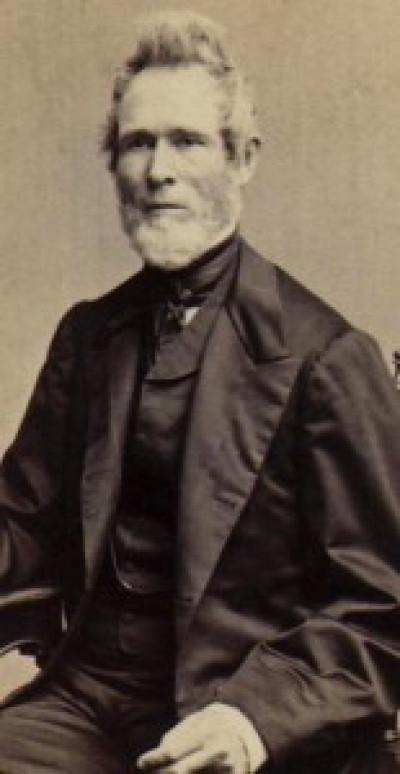
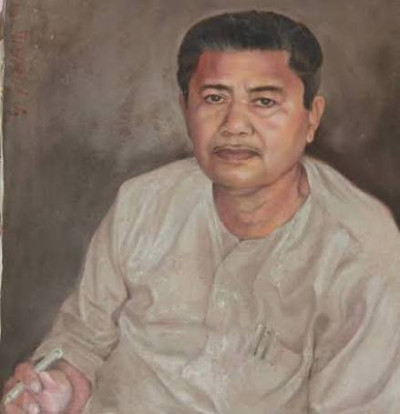
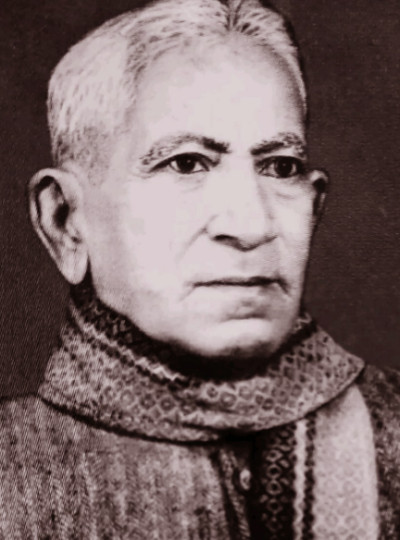
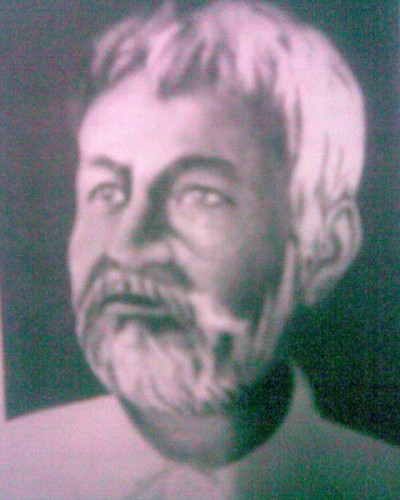
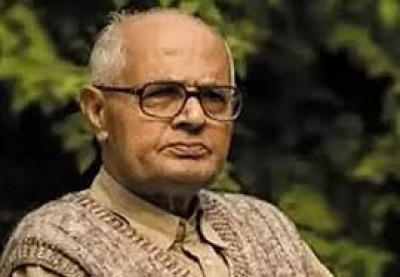
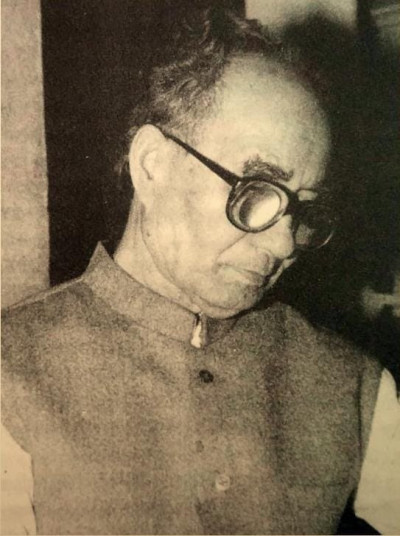
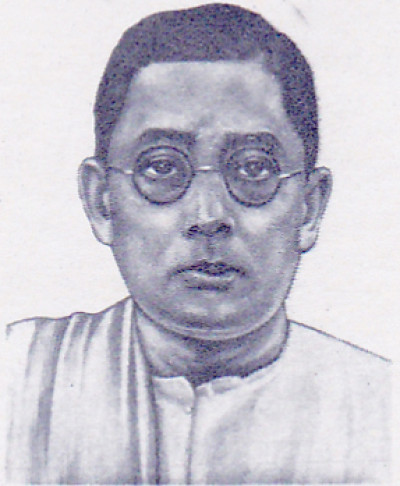
Ananda Chandra Barua was born on 31 December 1907 at Khumtai Tea Estate in present-day Assam. He was born into the family of Premadhar Barua and Indrani Devi and grew up in an environment that encouraged education and cultural values. His childhood experiences, combined with the natural beauty of Upper Assam, greatly influenced his poetic imagination. During his school years, he began writing poems for handwritten magazines, marking the beginning of a remarkable literary journey.
Education
Barua completed his primary education at Dhekiakhowa before joining Jorhat Government Boys' High School. After passing the matriculation examination in 1926, he moved to Banaras Hindu University for higher studies. Although he could not complete his university education, his stay in Banaras exposed him to a rich literary atmosphere. During this period, he contributed to Assamese student publications and developed a broader understanding of Indian literature, language, and culture, which later became visible in his writings and translations.
Career
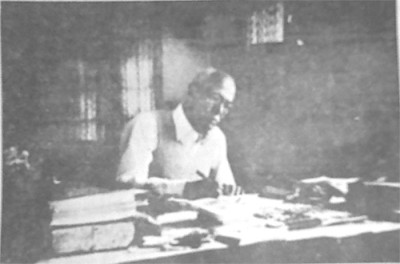
Ananda Chandra Barua started his professional life as a journalist by joining the Assamese newspaper Asomiya as an editor. He later worked at the School Inspector's Office in Jorhat and also served as a teacher in Tinsukia. Returning to journalism, he became the sub-editor of the weekly newspaper Batori, where he made lasting contributions to Assamese literary journalism. It was through this publication that he popularized the titles "Bagmibor" for Nilmoni Phukan and "Rupkonwar" for Jyotiprasad Agarwala.
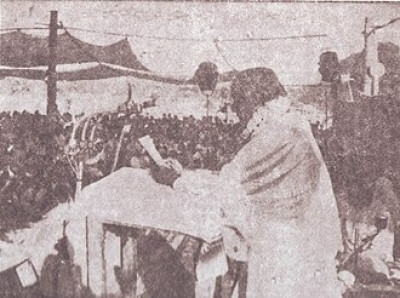
During the Second World War, Barua joined the Indian Air Force and served in Karachi. After returning to Assam in 1947, he joined the Industrial Training Institute and worked there until his retirement. Alongside his professional career, he remained actively involved in literary, cultural, and social organizations. In 1969, he was elected President of the Assam Sahitya Sabha at its Barpeta session, reflecting the immense respect he enjoyed within the Assamese literary community.
Literary Contributions
Ananda Chandra Barua made valuable contributions across several literary genres. His poetry is admired for its lyrical beauty, emotional depth, and vivid portrayal of nature. He also translated several important literary works from Persian, Sanskrit, English, and other languages into Assamese, helping readers access world literature in their mother tongue.
His dramas demonstrated strong storytelling and theatrical appeal, while his translations introduced Assamese readers to classical and international literature. Besides writing, he was also associated with theatre as an actor and actively participated in promoting Assamese performing arts.
Major Achievements
- One of the leading Assamese poets of the twentieth century.
- Popularly known as "Bokul Bonor Kobi."
- Served as President of Assam Sahitya Sabha in 1969.
- Worked as journalist, editor, teacher, actor, translator, and playwright.
- Popularized the honorary titles "Bagmibor" and "Rupkonwar."
- Contributed significantly to Assamese journalism and theatre.
- Helped promote Assamese literature through translations of world classics.
Positions Held
- Editor, Asomiya newspaper
- Sub-Editor, Weekly Batori
- Assistant Teacher, Senarian High School, Tinsukia
- Teacher, Dikom Tea Estate School
- Accountant, Industrial Training Institute
- President, Assam Sahitya Sabha (Barpeta Session, 1969)
- Founder of Bani Sammilan
- Founder of Chintamani Chakra
- Active member of Assam Natya Sammilan and several cultural organizations
Awards and Recognition
Ananda Chandra Barua received numerous honours for his contribution to Assamese literature and culture.
Awards received:
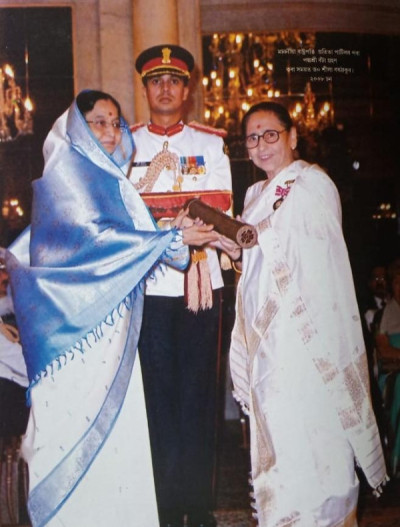
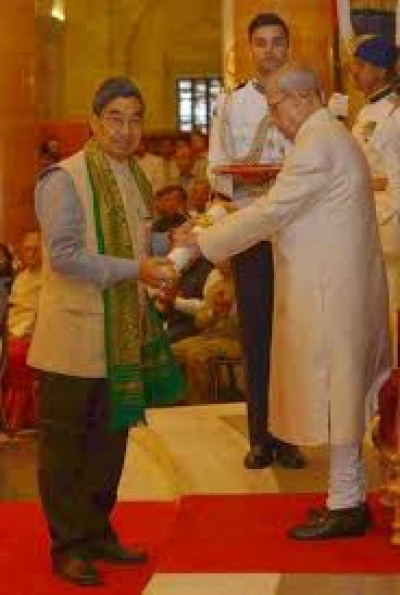
- Padma Shri (1970)
- Sahitya Akademi Award (1977) for Bokul Bonor Kabita
He is remembered as one of Assam's finest literary figures, and institutions such as Bakul Bon Park and the annual Bakul Bon Award continue to preserve his legacy.
Books Written
Poetry Collections
- Porag
- Pushpak
- Ranjan Rashmi
- Paparir Parimal
- Bokul Bonor Kabita
- Sei Nimati Puware Pora
Drama
- Bijoya
- Bisorjan
- Nal Damayanti
- Kamala Kuwari
- Nilanjan
- Kopoi Kuwari
Translations
- Hafizor Sur
- Meghadut Purvamegh
- Kumar Sambhav
- Soviet Kabita
- Asia Jyoti
- Ethan From
Biography
- Pandit Madan Mohan Malaviyar Jiboni
Unpublished Works
- Panchami
- Tejimola
- Phulora
- Shahjahanor Ontim
- Bonik Bandhu
- Sitaharan
- Mrigamaya
- Banipath
- Agnigarh
- Asomiya Deka
- Amar Sahitya
Death
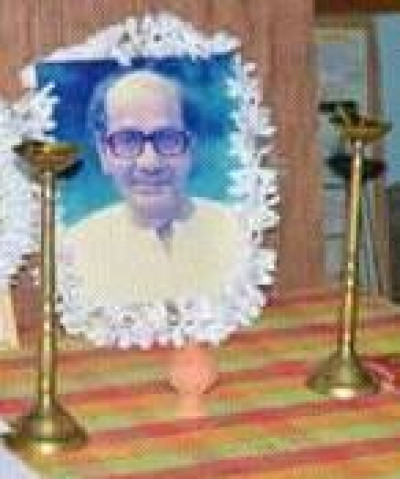
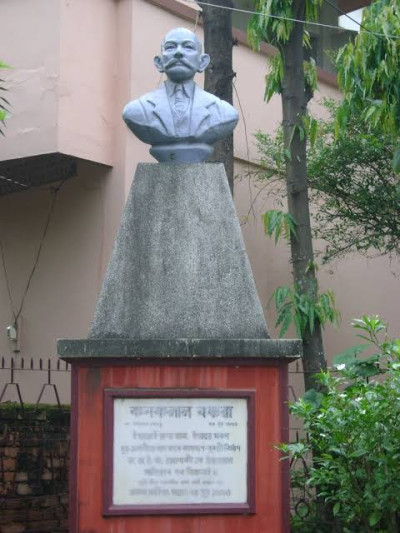
Ananda Chandra Barua passed away on 27 January 1983. Although he is no longer with us, his poems, plays, translations, and literary ideals continue to inspire readers, researchers, writers, and students across Assam. His contribution remains an integral part of Assamese literary heritage.
Legacy
Ananda Chandra Barua occupies a unique position in Assamese literature as a poet who combined artistic excellence with cultural responsibility. His writings continue to be appreciated for their simplicity, imagination, and emotional appeal. His contribution to poetry, drama, journalism, translation, and theatre has ensured that his legacy remains alive in Assam's literary and cultural history.
FAQs about Ananda Chandra Barua
1. Who was Ananda Chandra Barua?
Ananda Chandra Barua was a renowned Assamese poet, playwright, translator, journalist, actor, and Padma Shri awardee, popularly known as Bokul Bonor Kobi.
2. Why is Ananda Chandra Barua called Bokul Bonor Kobi?
He earned the title "Bokul Bonor Kobi" because of his beautiful and nature-inspired poetry that became highly popular in Assamese literature.
3. When was Ananda Chandra Barua born?
He was born on 31 December 1907 at Khumtai Tea Estate in present-day Assam.
4. Which awards did Ananda Chandra Barua receive?
He received the Padma Shri in 1970 and the Sahitya Akademi Award in 1977 for his poetry collection Bokul Bonor Kabita.
5. Was Ananda Chandra Barua associated with Assam Sahitya Sabha?
Yes. He served as the President of the Assam Sahitya Sabha during its 1969 Barpeta session.
6. What are the famous books written by Ananda Chandra Barua?
Some of his famous books include Porag, Pushpak, Bokul Bonor Kabita, Paparir Parimal, Ranjan Rashmi, Bijoya, Bisorjan, Kumar Sambhav, and Meghadut Purvamegh.
7. What professions did Ananda Chandra Barua have?
He worked as a poet, playwright, translator, journalist, editor, teacher, actor, and social worker.
8. Did Ananda Chandra Barua serve in the Indian Air Force?
Yes. During the Second World War, he served in the Indian Air Force before returning to Assam.
9. When did Ananda Chandra Barua pass away?
He passed away on 27 January 1983, leaving behind an outstanding literary legacy.
10. What is Ananda Chandra Barua's contribution to Assamese literature?
He enriched Assamese literature through poetry, plays, translations, journalism, theatre, and cultural leadership, making him one of the most respected literary figures in Assam.