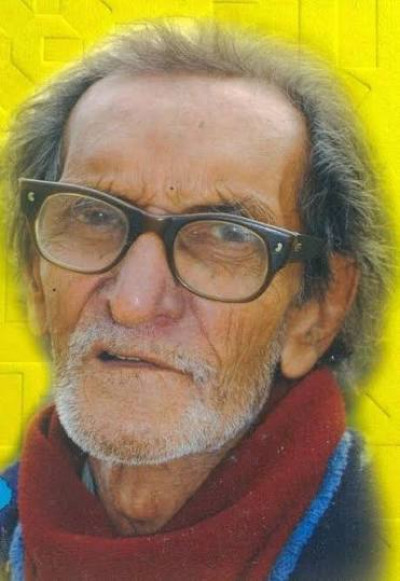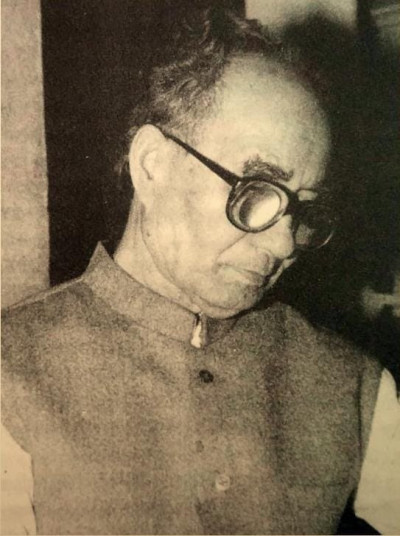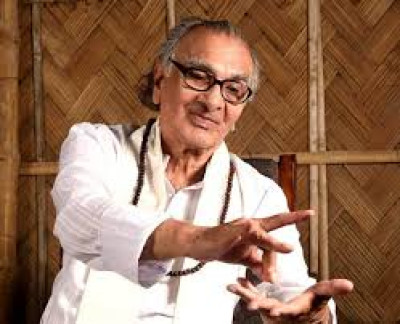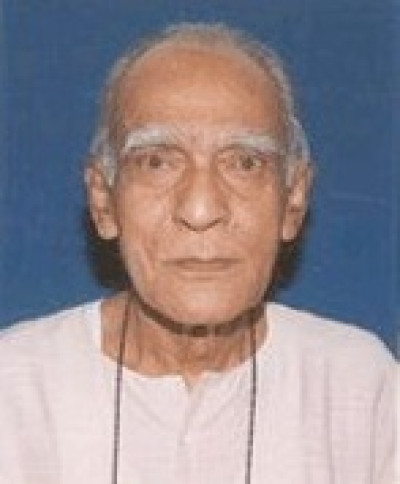
Life & Legacy
Early Life
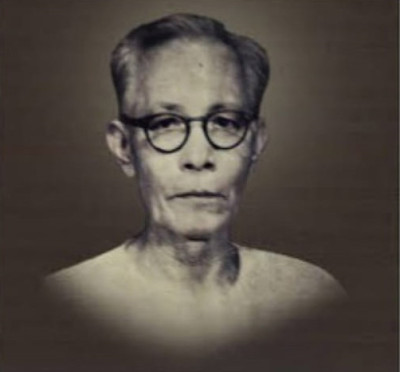
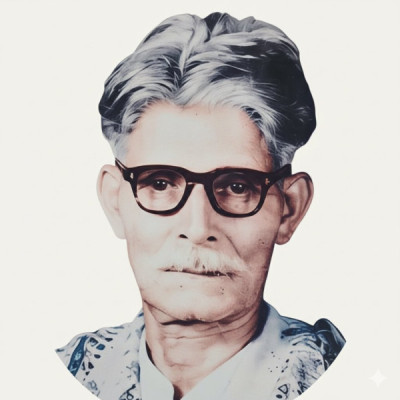
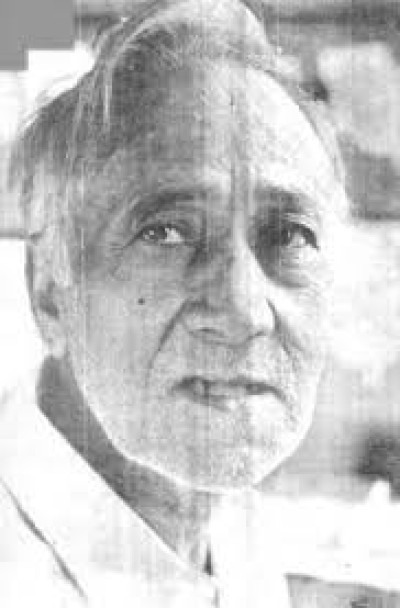
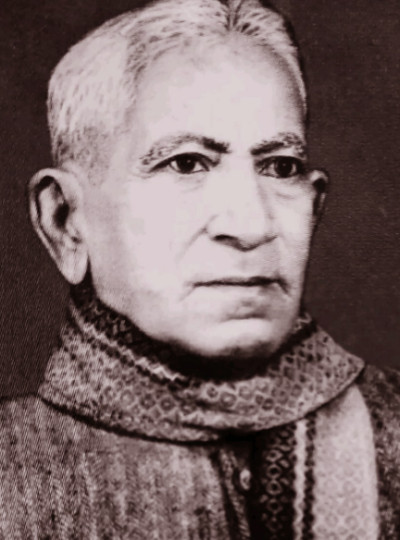
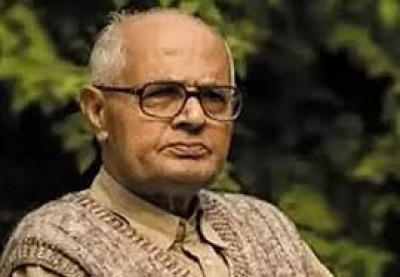
Hitesh Deka was born on 18 February 1924 at Sarthebari in present-day Barpeta district of Assam. He grew up in an environment where education, Assamese language and cultural activities had an important place. His early experiences of rural society and the lives of ordinary people later became important influences on his literary work.
Education
Deka received his early education in Sarthebari and completed his secondary schooling at Sarthebari High School. He passed the matriculation examination in 1948. He subsequently graduated from Nalbari College in 1952. His academic background and interest in Assamese society helped shape his later career as a teacher and writer.
Teaching Career
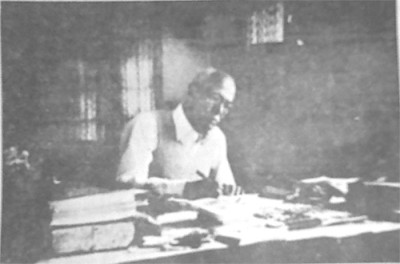
After completing his education, Hitesh Deka began his professional career as a teacher. In 1954, he joined Konihara High School. He subsequently worked at several educational institutions and remained associated with teaching for many years. He retired from his teaching career in 1985.
His experience as an educator brought him into close contact with students, families and communities across Assam. This practical understanding of society was reflected in his literary works, particularly his writing about social problems, human relationships and everyday life.
Social and Language Movements
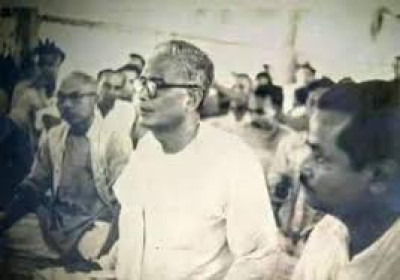
Hitesh Deka was not limited to literary activities. He actively participated in several important social and language-related movements in Assam. He was associated with the State Language Movement of 1960 and took part in the Medium of Instruction Movement of 1972.
He also represented the Asam Sahitya Sabha in discussions in Delhi during the Foreigners' Expulsion Movement. His involvement demonstrated his commitment to the Assamese language and the cultural and social interests of the people of Assam.
Deka held responsibilities in several literary and educational organisations. He served as Vice-President of the All Assam High School Teachers' Association and was associated with the All Assam Poets' Association as an adviser. His activities combined literature, education and public service.
President of Asam Sahitya Sabha
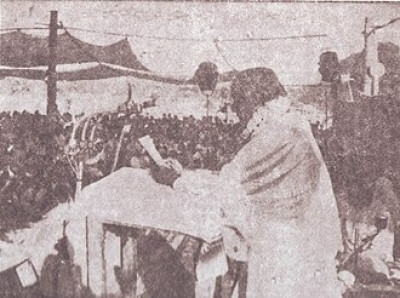
One of the most notable achievements of Hitesh Deka was his election as president of the Asam Sahitya Sabha for its 1995 annual session at Sarthebari. The Asam Sahitya Sabha is one of the most important literary organisations associated with the Assamese language and literature.
His selection for the presidency reflected the recognition he had earned through decades of literary, educational and social activities. His association with the Sabha further strengthened his position as an important figure in modern Assamese literary history.
Literary Contributions
Hitesh Deka was a prolific novelist who emerged prominently among the Assamese writers of the post-Independence period. His fiction frequently dealt with social realities, family relationships, human struggles, changing values and the difficulties faced by ordinary people.
His literary contribution included novels, short-story collections, plays and essays. His writing was closely connected with Assamese society, making his works relevant to readers interested in the social and cultural history of Assam.
Major Novels
Ajir Manuh
Natun Path
Bharaghar
Mati Kar
Eito Jibon
Bairi Manuh
Jibon Sanghat
Simar Kajia
Itihase Sokiaye
Sukhor Sansar
Niryatita Sati
Gãvor Manuh
Achal Manuh
Kampatni
Tyag
Barir Konwar
Sahasi Lora
Short Story Collections
Prayashchitta
Gorakhhoniya
Eikhon Amar Samaj
Ethupi Galpa
Akou Gorakhhoniya
Galpato Likha Nohol
Plays
Asomir Pranor Kotha
Bihuwan
Shirsya Sammilan
Montrir Hukom
Essay Collections
Paschim Bangat Mati Kar
Jatiya Sarkar
Asomiya Jati Tikibone
Literary Style and Themes
Deka's fiction often focused on the realities of Assamese society rather than distant or purely imaginative subjects. His characters and situations reflected social pressures, family conflicts, economic difficulties, changing traditions and the aspirations of ordinary people.
Through accessible Assamese prose, he presented social questions in a manner that could connect with a broad readership. His writing therefore occupies an important place in the development of modern Assamese fiction.
Achievements and Recognition
Hitesh Deka's major public literary achievement was his election as president of the Asam Sahitya Sabha in 1995 at Sarthebari. His long association with education, literature, language movements and cultural organisations established him as a respected literary personality in Assam.
His contribution is particularly remembered through his extensive body of fiction and his participation in movements connected with the Assamese language and education.
Death
Hitesh Deka passed away on 30 August 2000. He left behind a substantial body of Assamese literary work consisting of novels, short stories, plays and essays. His writings continue to be of interest to readers and researchers studying modern Assamese literature and the social history reflected in Assamese fiction.
Legacy
Hitesh Deka is remembered as one of the notable Assamese novelists of the twentieth century. His literary career extended beyond creative writing, as he also contributed to education, language movements and public literary organisations. His presidency of the Asam Sahitya Sabha in 1995 remains an important part of his literary legacy.
Through his stories, novels and essays, Deka documented many aspects of Assamese social life and presented the experiences of ordinary people through literature. His work represents the close relationship between Assamese literature, society and cultural identity.
FAQs about Hitesh Deka
- Who was Hitesh Deka?Hitesh Deka was a prominent Assamese writer, novelist, teacher and literary figure known for his novels, short stories, plays and essays.
- When was Hitesh Deka born?Hitesh Deka was born on 18 February 1924 at Sarthebari in Assam.
- When did Hitesh Deka die?Hitesh Deka passed away on 30 August 2000.
- What was Hitesh Deka famous for?Hitesh Deka was famous for his contribution to Assamese literature, particularly his novels and short stories dealing with social and human issues.
- When did Hitesh Deka become president of the Asam Sahitya Sabha?Hitesh Deka served as president of the Asam Sahitya Sabha in 1995 during its annual session at Sarthebari.
- Where was Hitesh Deka born?Hitesh Deka was born at Sarthebari in present-day Barpeta district of Assam.
- What was Hitesh Deka's profession?Hitesh Deka was a teacher, novelist, writer, literary figure and social activist.
- What are some famous books by Hitesh Deka?Some notable works associated with Hitesh Deka include Ajir Manuh, Eito Jibon, Mati Kar, Bharaghar, Bairi Manuh and Jibon Sanghat.
- Which language did Hitesh Deka write in?Hitesh Deka primarily wrote in Assamese and contributed significantly to Assamese literature.
- What movements was Hitesh Deka associated with?Hitesh Deka participated in the State Language Movement of 1960 and the Medium of Instruction Movement of 1972. He was also involved in various literary, educational and social organisations.