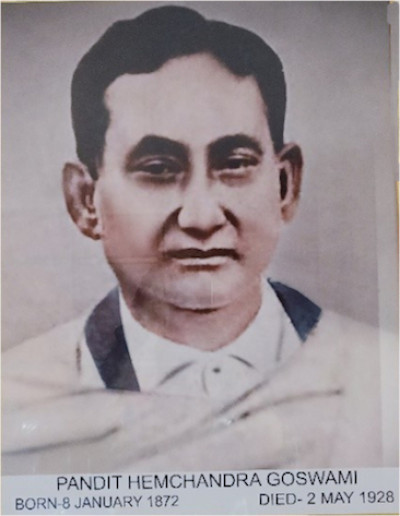
Life & Legacy
Early Life and Family
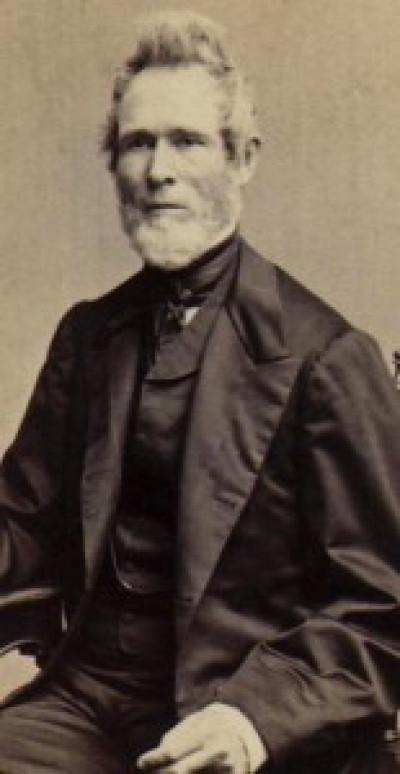
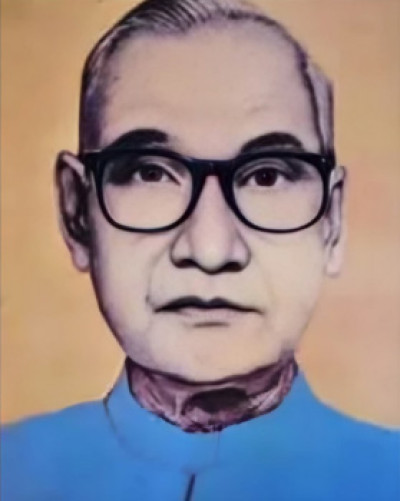
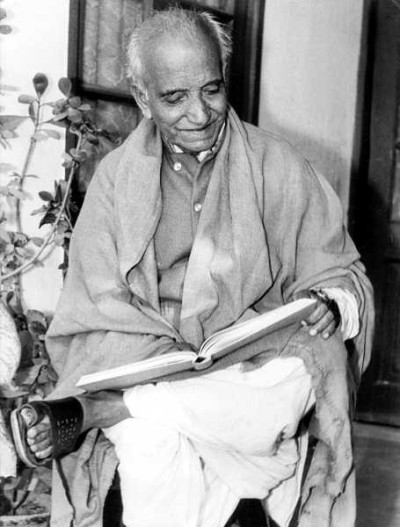
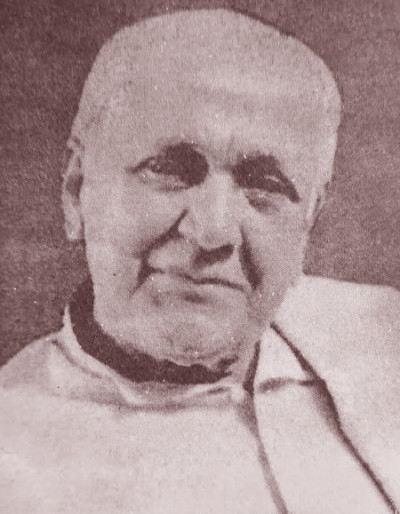
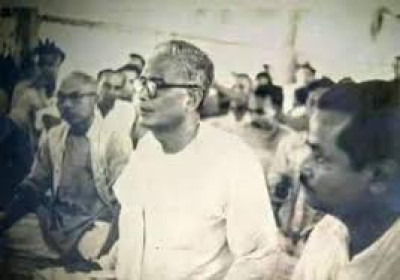
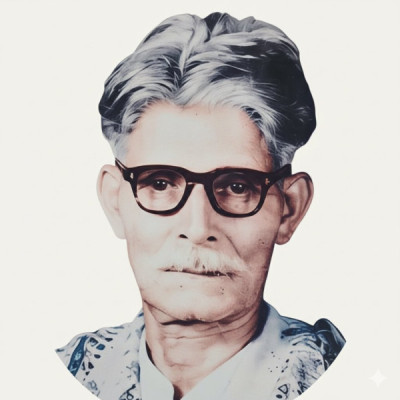
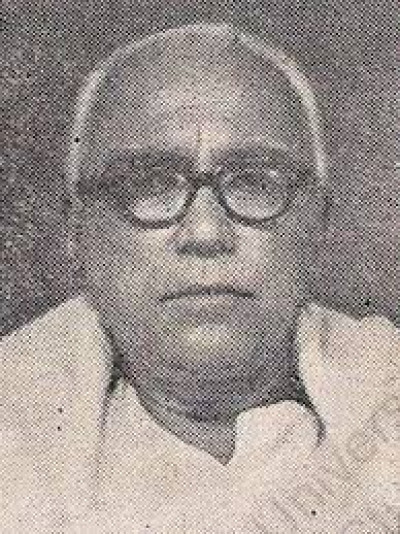
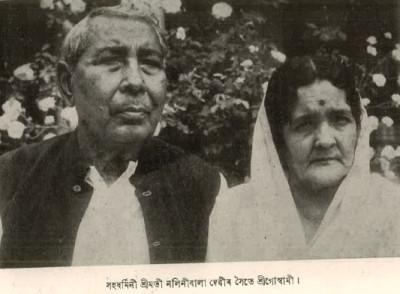
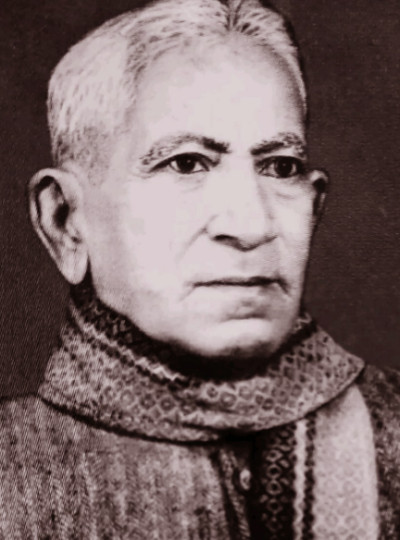
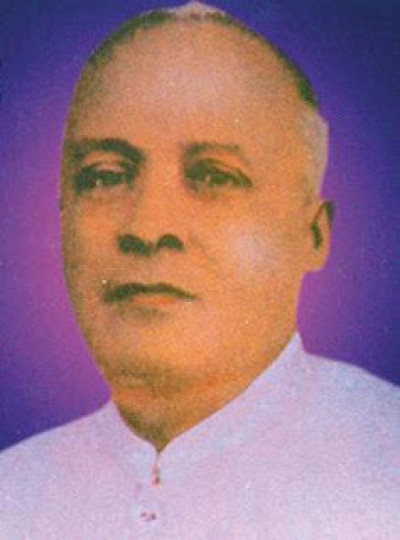
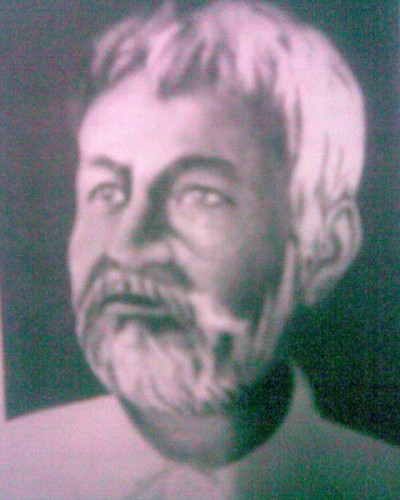
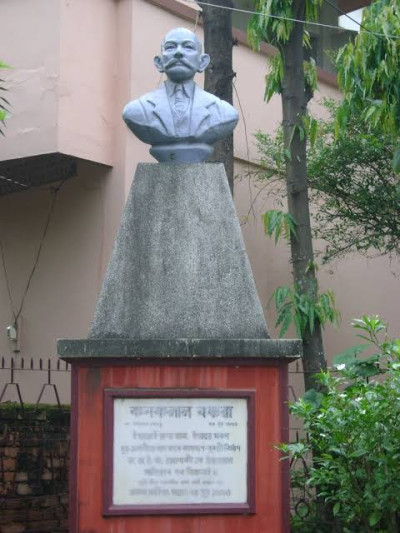
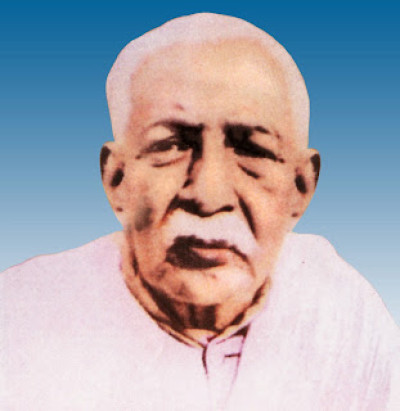
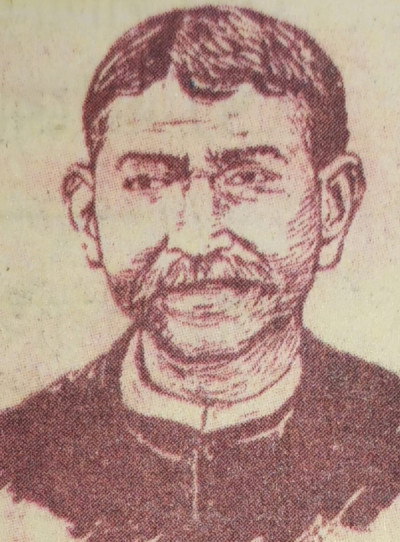
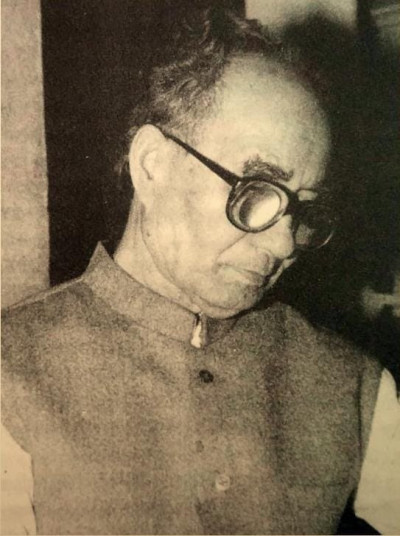
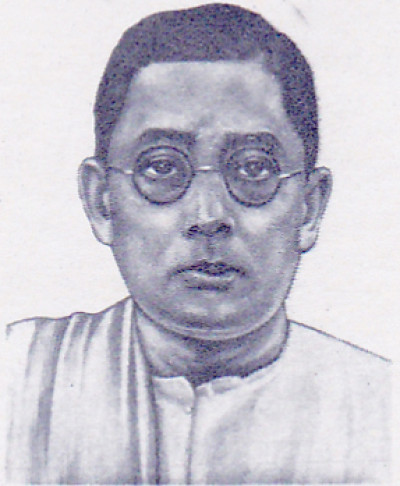
Hemchandra Goswami was born on 8 January 1872 at Gauranga Satra in the present-day Golaghat district of Assam. He belonged to a respected Vaishnavite family. His father, Dambaru Dhar Goswami, served as the Satradhikar of Gauranga Satra, while his mother, Ghanakanti Devi, encouraged his education and moral values. Growing up in a culturally rich religious environment helped him develop a deep interest in Assamese language, literature, and ancient manuscripts from an early age.
Education
Hemchandra Goswami completed his early education in his village before joining Williamson Minor School in Golaghat. He later studied at Nagaon Government High School and passed the Entrance Examination with distinction in 1888. His excellent academic performance earned him a scholarship, allowing him to continue his higher studies at Presidency College in Calcutta. Although he could not complete his Bachelor's degree, his exposure to modern literature and Western poetic traditions greatly influenced his literary thinking and creative style.
Literary Career
Hemchandra Goswami became one of the leading personalities of the famous Jonaki era, a period that transformed Assamese literature. In 1888, along with Lakshminath Bezbaroa and Chandrakumar Agarwala, he founded the Asomiya Bhasha Unnati Sadhini Sabha in Calcutta to promote Assamese language and literature. The organization later published the literary magazine Jonaki, which introduced modern literary ideas and romanticism into Assamese writing. Goswami served as one of its editors and made significant contributions to its success.
His greatest literary achievement was introducing the sonnet into Assamese poetry. Inspired by the works of Italian poet Petrarch, he composed "Priyatamar Chithi", which is recognized as the first Assamese sonnet. The poem marked a turning point in Assamese literature by combining emotional depth with modern poetic structure. His poetry collection "Phular Chaki", published in 1907, contains several memorable poems including "Puwa", "Kako Aru Hiya Nibilau", and "Kakuti". Among these, "Puwa" is considered one of the earliest examples of modern Assamese poetry.
Career and Public Service
In 1894, Hemchandra Goswami started his professional career as the Headmaster of Sonaram High School in Guwahati. After resigning from the post, he joined the Shillong Secretariat in 1895 with the support of British historian Edward Gait. During his government service, he held several important administrative positions, including Sub-Deputy Collector, Extra Assistant Commissioner, and Deputy Magistrate. Even while serving in administration, he continued his literary research and writing with remarkable dedication.
Manuscript Collection and Editorial Work
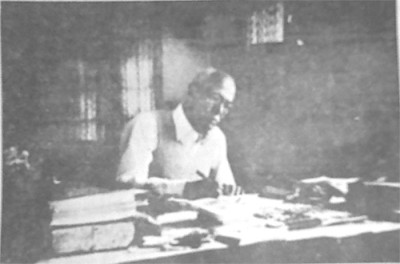
One of Hemchandra Goswami's greatest contributions was the preservation of Assam's literary heritage. He traveled extensively across Assam and collected nearly 1,200 ancient Assamese manuscripts from villages, satras, and private collections. He carefully studied these manuscripts and prepared the landmark publication "A Descriptive Catalogue of Assamese Manuscripts", which remains an invaluable reference for researchers.
He also edited several important literary works, including Hemkosh, the first comprehensive Assamese dictionary compiled by Hemchandra Barua. His editorial contributions further include Katha Gita, Hastividyarnava, Sri Hastamuktavali, Purani Asomiya Buranji, Darang Rajvanshavali, Kam Ratna Tantra, and several other classical Assamese texts. These efforts helped preserve many valuable historical and literary documents for future generations.
Association with Asam Sahitya Sabha
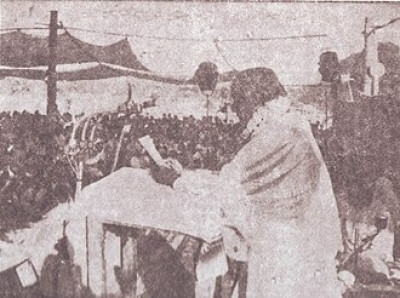
Hemchandra Goswami played an important role in the development of Asam Sahitya Sabha. He actively participated in its formation and literary activities from its early years. In 1920, he was elected President of the Tezpur session of Asam Sahitya Sabha, where he encouraged the promotion of Assamese language, literature, and cultural identity throughout the state.
Major Achievements
- First Assamese poet to write a sonnet.
- Introduced modern romantic poetry into Assamese literature.
- Pioneer of the Jonaki literary movement.
- Co-founder of Asomiya Bhasha Unnati Sadhini Sabha.
- Editor of the literary magazine Jonaki.
- Collected nearly 1,200 ancient Assamese manuscripts.
- Prepared "A Descriptive Catalogue of Assamese Manuscripts."
- Edited Hemkosh and several important historical and literary works.
- President of the 1920 Tezpur session of Asam Sahitya Sabha.
- One of the architects of modern Assamese literary scholarship.
Awards and Recognition
Formal national literary awards were not common during Hemchandra Goswami's lifetime. However, he is widely remembered as one of the founding pillars of modern Assamese literature. His contributions continue to be honored through academic research, literary institutions, educational curricula, and the lasting influence of his writings.
Books Written
- Phular Chaki (Poetry Collection)
Important Works Edited
- Hemkosh
- Katha Gita
- Hastividyarnava
- Sri Hastamuktavali
- Purani Asomiya Buranji
- Darang Rajvanshavali
- Kam Ratna Tantra
- A Descriptive Catalogue of Assamese Manuscripts
- Asomiya Sahityar Chaneki (Compilation)
Positions Held
- Headmaster, Sonaram High School
- Sub-Deputy Collector
- Extra Assistant Commissioner
- Deputy Magistrate
- Editor, Jonaki Magazine
- President, Asam Sahitya Sabha (Tezpur Session, 1920)
Death
Hemchandra Goswami passed away on 2 May 1928 at his residence in Guwahati. Although he lived for only fifty-six years, his contributions transformed Assamese literature and established foundations that continue to influence writers, scholars, and researchers. Today, he is remembered as one of the greatest literary pioneers in Assam and an enduring symbol of Assamese cultural heritage.
FAQs about Hemchandra Goswami
1. Who was Hemchandra Goswami?
Hemchandra Goswami was a renowned Assamese poet, scholar, editor, and administrator who introduced the sonnet form into Assamese literature.
2. Why is Hemchandra Goswami famous?
He is famous for writing the first Assamese sonnet, preserving ancient manuscripts, and helping modernize Assamese literature.
3. When was Hemchandra Goswami born?
He was born on 8 January 1872 at Gauranga Satra in present-day Golaghat district, Assam.
4. What is Hemchandra Goswami's most famous poem?
His best-known work is "Priyatamar Chithi", which is recognized as the first Assamese sonnet.
5. Which book did Hemchandra Goswami write?
His most famous poetry collection is "Phular Chaki", containing several important poems of modern Assamese literature.
6. What was Hemchandra Goswami's contribution to Assamese literature?
He introduced modern poetic forms, promoted the Jonaki movement, edited classical texts, and preserved hundreds of Assamese manuscripts.
7. Was Hemchandra Goswami associated with Asam Sahitya Sabha?
Yes. He was one of its early leaders and served as President of the Tezpur session in 1920.
8. Which important books did Hemchandra Goswami edit?
He edited Hemkosh, Katha Gita, Hastividyarnava, Purani Asomiya Buranji, Darang Rajvanshavali, and several other classical Assamese works.
9. Did Hemchandra Goswami receive any major awards?
Formal literary awards were uncommon during his lifetime, but he is honored as one of the founders of modern Assamese literature.
10. When did Hemchandra Goswami die?
Hemchandra Goswami passed away on 2 May 1928 in Guwahati, leaving behind a lasting literary and cultural legacy.