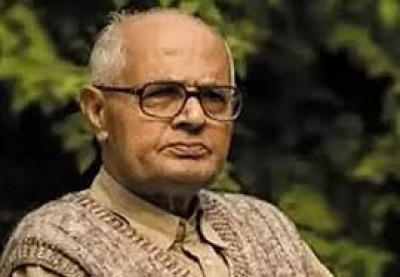
Life & Legacy
Early Life
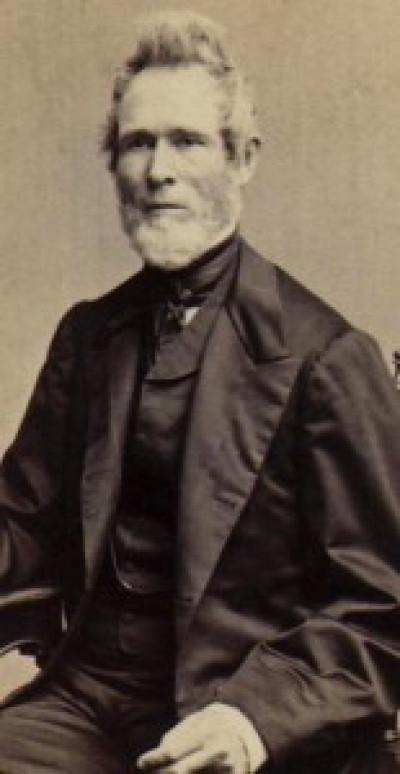
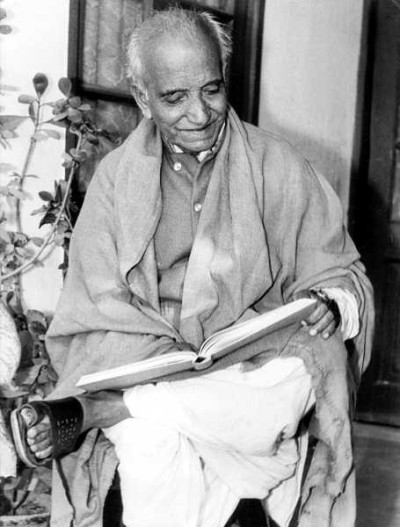
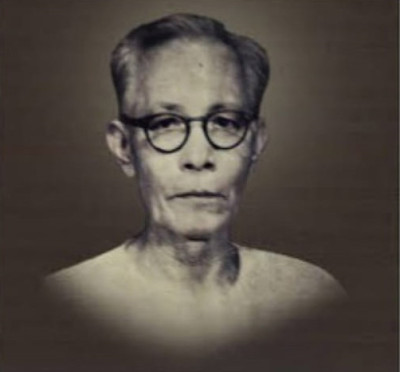
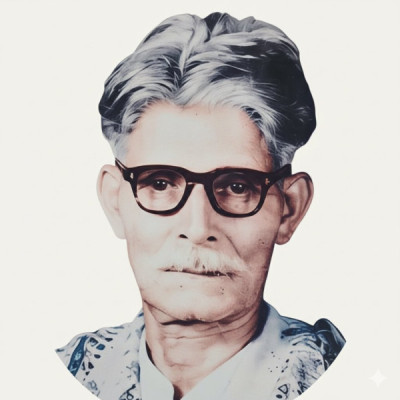
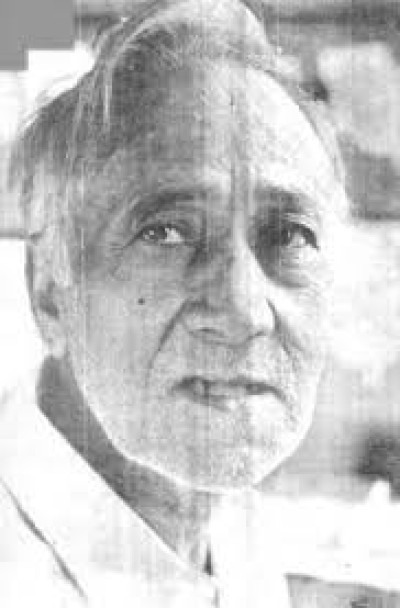
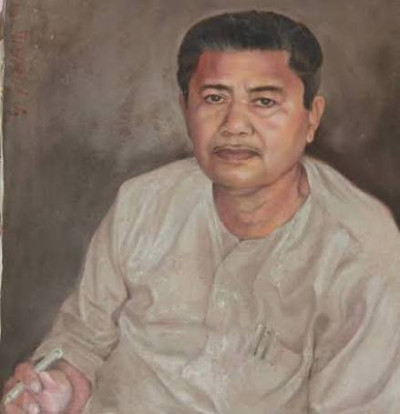
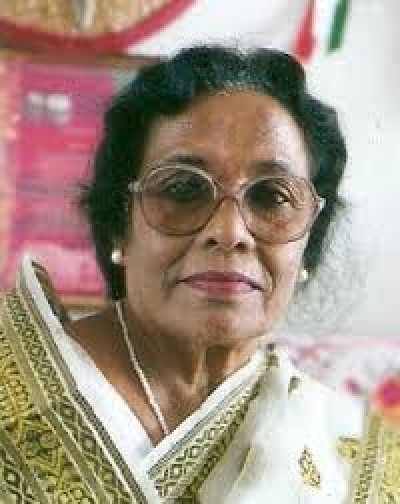
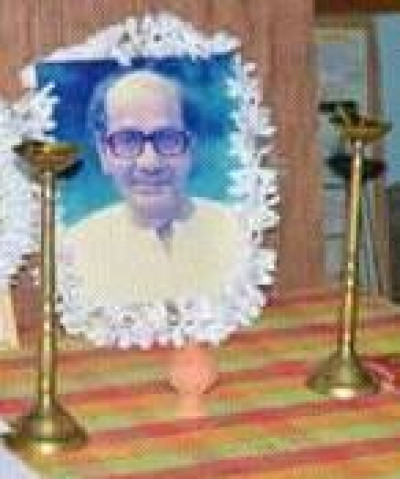
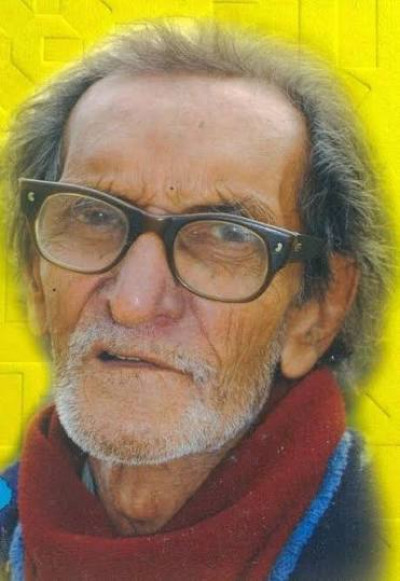
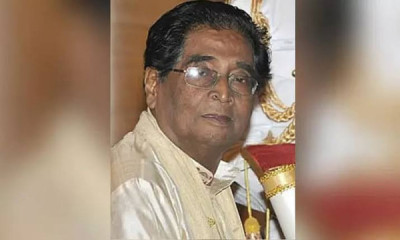
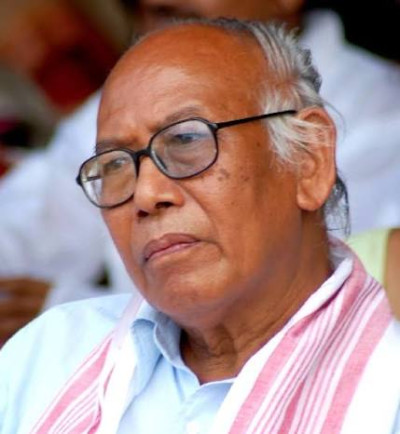
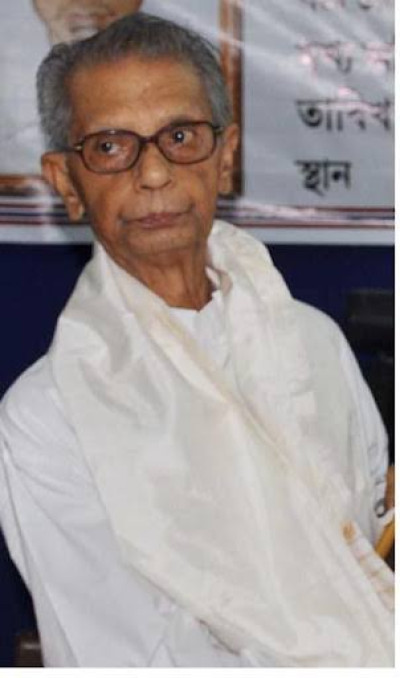
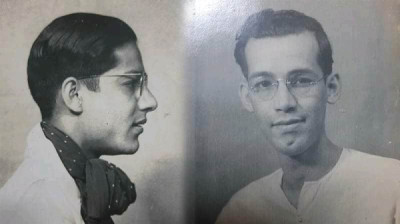
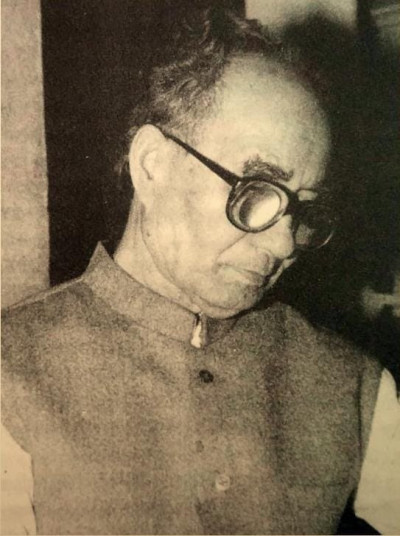
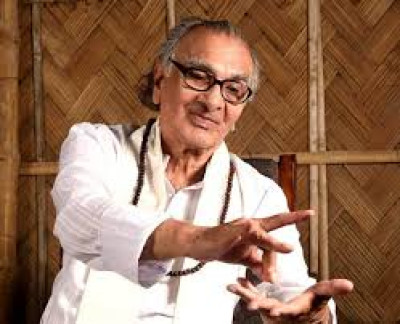
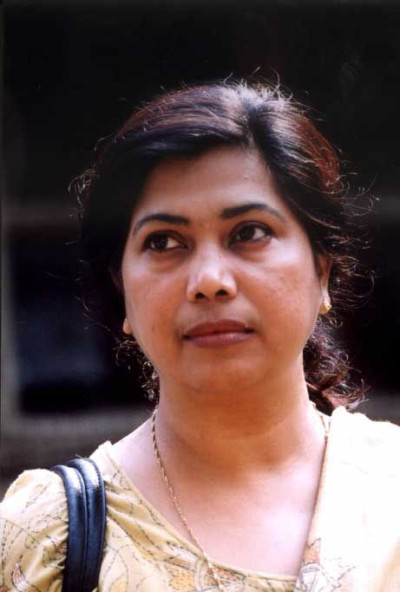
Nilmani Phookan Jr. was born on 10 September 1933 in Dergaon of present-day Golaghat district, Assam. He was born into a culturally enriched family where literature, education, and artistic values were highly respected. His father was Kritinath Phookan, while his mother was Bardabala Phookan. Growing up amidst the natural beauty of Upper Assam, he developed a lifelong fascination with rivers, forests, rain, flowers, and rural landscapes. These surroundings later became recurring themes in his poetry, where nature often symbolized memory, time, hope, and human emotions.
His childhood was enriched by the literary environment within his family. His uncle Lakshminath Phookan, a noted journalist and literary figure, encouraged him to read widely and appreciate Assamese literature from an early age. These influences helped shape his creative imagination and laid the foundation for his future literary career.
Education
Nilmani Phookan Jr. completed his early education at Dergaon High School. During his student life, he developed a keen interest in poetry, history, philosophy, and world literature. He later moved to Guwahati and graduated from Cotton College, one of Assam's most prestigious educational institutions. He subsequently obtained a Master of Arts degree in History from Gauhati University in 1960.
His academic background in history played an important role in shaping his literary vision. Historical events, civilizations, cultural evolution, and human experiences frequently appeared in his writings through symbolic and philosophical interpretations rather than direct narration.
Literary Career
Nilmani Phookan Jr. began writing poetry during the early 1950s, a period when Assamese literature was witnessing significant transformation. Instead of following traditional poetic conventions, he introduced modern literary techniques that emphasized symbolism, imagery, free verse, and emotional subtlety. His poems encouraged readers to explore multiple layers of meaning, making his work intellectually engaging as well as aesthetically rich.
His first poetry collection, Surya Heno Nami Ahe Ei Nodiye Di, established him as an important new voice in Assamese literature. The collection reflected themes of nature, solitude, hope, and existential thought while presenting a fresh poetic language that differed from earlier literary traditions.
Throughout the following decades, he continued publishing acclaimed collections that explored the relationship between humanity and nature, the passage of time, social change, silence, memory, and spirituality. His poetry blended local Assamese experiences with universal human emotions, allowing readers from different backgrounds to connect with his work.
One of his most celebrated publications was Kobita, a selected collection of poems that earned him the Sahitya Akademi Award. This recognition established him as one of India's leading regional language poets and significantly increased the national appreciation of Assamese literature.
Apart from writing original poetry, Nilmani Phookan Jr. made important contributions as a translator and literary scholar. He translated Japanese, Chinese, Spanish, and other international poetry into Assamese, introducing readers to global literary traditions while enriching the vocabulary and artistic possibilities of Assamese poetry. His translations demonstrated his deep understanding of different cultures and poetic philosophies.
He also wrote extensively on art, architecture, aesthetics, and Assamese cultural heritage. His essays remain valuable references for students, researchers, and lovers of art and literature.
Academic Career
Alongside his literary achievements, Nilmani Phookan Jr. enjoyed a distinguished teaching career. After briefly serving as a school teacher, he joined Arya Vidyapeeth College in Guwahati as a lecturer in the Department of History in 1964. His dedication to teaching and scholarship earned him widespread respect among students and colleagues alike. Over the years, he became the Head of the Department of History and continued serving the institution until his retirement in 1992.
His experience as a historian enriched his poetry with references to civilization, culture, historical continuity, and human existence. Many students remember him not only as an accomplished professor but also as a mentor who encouraged independent thinking, creativity, and appreciation for literature.
Major Contributions
Nilmani Phookan Jr. played a defining role in modernizing Assamese poetry by introducing symbolism, philosophical imagination, and free verse into mainstream literary practice. His works elevated Assamese literature to national prominence while preserving its regional identity and cultural richness. Through poetry, translations, essays, and literary criticism, he built a bridge between Assamese literary traditions and world literature, inspiring several generations of writers and scholars. His contribution continues to influence contemporary Assamese poetry and remains an integral part of India's literary heritage.
Awards and Recognition
Nilmani Phookan Jr. received numerous prestigious honors during his lifetime for his exceptional contribution to Assamese literature and Indian poetry. His literary excellence, originality, and lifelong dedication earned him recognition from both state and national institutions.
Major Awards and Honors
- Raghunath Choudhury Award (1972) by Asam Sahitya Sabha.
- Assam Publication Board Award (1977) for Kaint, Golap aru Kaint.
- Sahitya Akademi Award (1981) for his acclaimed poetry collection Kobita.
- Represented India at the internationally renowned Struga Poetry Festival in Yugoslavia (1982).
- Jagaddhatri-Hormohan Award (1988) for Lok Kalpa Drishti.
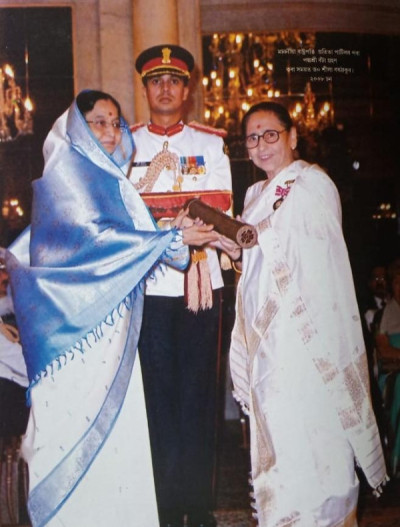
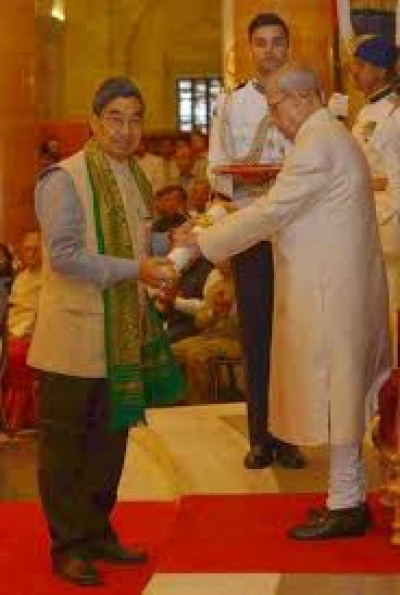
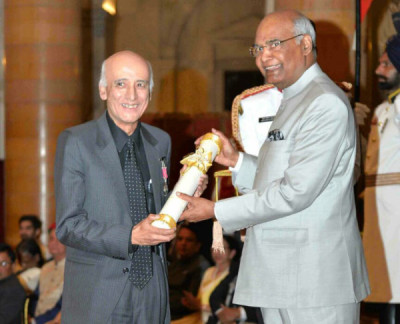
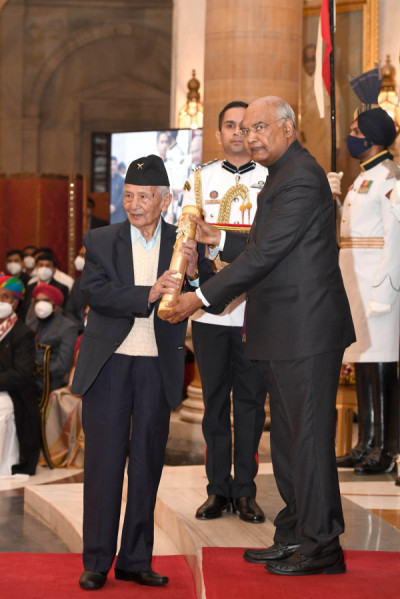
- Padma Shri (1990), India's fourth-highest civilian award, for literature and education.
- Kamal Kumari National Award (1990) for his outstanding contribution to literature and culture.
- Sagarmal Jain Award (1991) for Nrityarata Prithivi.
- Assam Valley Literary Award (1997) for his lifetime contribution to Assamese literature.
- Emeritus Fellowship by the Government of India (1998).
- Indian Languages Council Award (2000).
- Yashaswi Sahitya Award (2001).
- Sahitya Akademi Fellowship (2002), the highest honor conferred by the Sahitya Akademi.
- Honorary Doctor of Letters (D.Litt.) by Dibrugarh University (2019).
- Jnanpith Award (2021), India's highest literary honor, making him the third Assamese writer to receive this prestigious recognition.
- Honored by Asam Sahitya Sabha with the title Jatiya Kabi (National Poet) for his extraordinary contribution to Assamese literature.
Books Written
Poetry Collections
- Surya Heno Nami Ahe Ei Nodiye Di (1963)
- Nirjanatar Shabda (1965)
- Aru Ki Noishabda (1968)
- Phuli Thoka Surjymukhi Phultor Phale (1972)
- Kaint, Golap aru Kaint (1975)
- Golapi Jamur Lagna (1977)
- Kobita (1981)
- Nrityarata Prithivi (1985)
- Sagaratolir Shankh (1994)
- Olop Agote Ami Ki Kotha Pati Asilou (2003)
- Sampurna Kobita (2006)
Translation Works
- Japanese Poetry (1971)
- Poems of Garcia Lorca (1981)
- Aranyar Gaan (1993)
- Chinese Poetry (1996)
Edited Works
- 20th Century Assamese Poetry (1977)
Books on Art and Culture
- Lok Kalpa Drishti (1987)
- Rup Barn Bak (1988)
- Shilpakalar Upalabdhi aru Anand (1997)
- Shilpakalar Darshan (1998)
- Nilmani Phookan Rachana Samagra (2016)
- Patraguchchha (2021)
Autobiographical Works
- Pati Sonarur Phool
- Paharibi Nuwarilou Ji (2018)
Positions Held
- School Teacher at Dergaon High School.
- Teacher at Dergaon Girls' School.
- Lecturer, Department of History, Arya Vidyapeeth College, Guwahati.
- Head of the Department of History, Arya Vidyapeeth College.
- Editor of the Assamese literary journal Manideep.
- Poet, literary critic, essayist, translator, and art critic.
- Sahitya Akademi Fellow.
- Emeritus Fellow, Government of India.
Difference Between Nilmoni Phukan Sr. (1880-1978) and Nilmani Phookan Jr. (1933-2023)
Many readers become confused because both personalities have very similar names. However, they belonged to different generations and made distinct contributions to Assamese society.
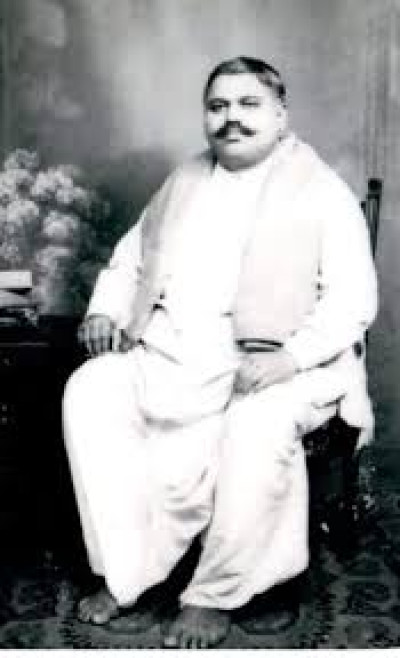
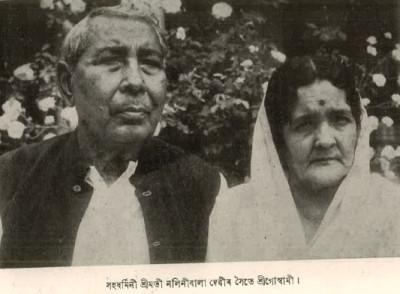
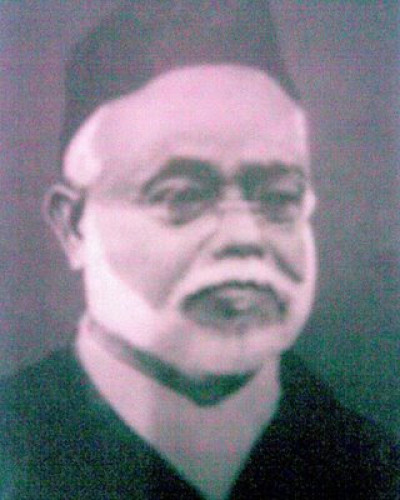
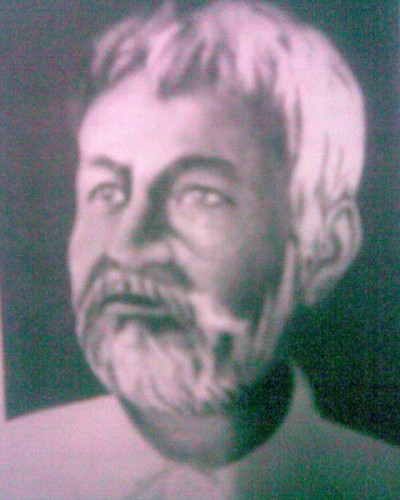
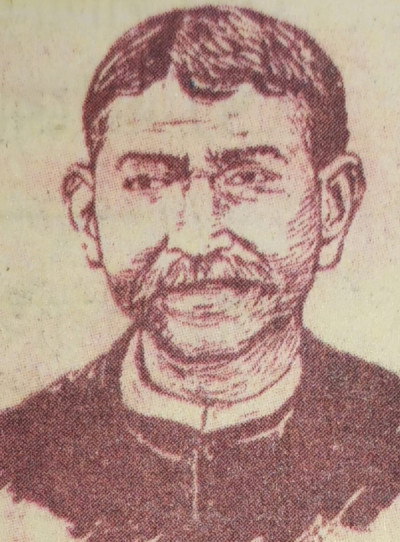
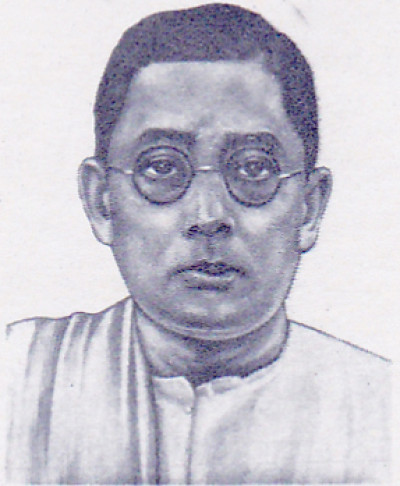
Nilmoni Phukan Sr. (1880-1978)
- Full name: Nilmoni Phukan (Senior).
- Born in 1880.
- Popularly known as Bagmibor.
- Eminent Assamese poet, writer, educationist, politician, and freedom fighter.
- Played an important role in the Indian freedom movement.
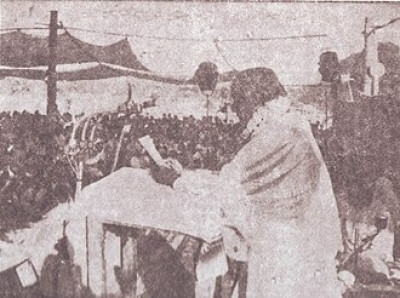
- Served twice as President of Asam Sahitya Sabha.
- Contributed significantly to the growth of early modern Assamese literature and social reform.
- Passed away in 1978.
Nilmani Phookan Jr. (1933-2023)
- Full name: Nilmani Phookan Jr.
- Born on 10 September 1933 in Dergaon, Assam.
- Celebrated modern Assamese poet, literary critic, translator, and historian.
- Pioneer of symbolism and modernist poetry in Assamese literature.
- Recipient of the Padma Shri, Sahitya Akademi Award, Sahitya Akademi Fellowship, and Jnanpith Award.
- Served as Professor and Head of the Department of History at Arya Vidyapeeth College.
- Best remembered for transforming modern Assamese poetry through symbolic language, philosophical themes, and vivid imagery.
- Passed away on 19 January 2023 in Guwahati.
Although their names are similar, Nilmoni Phukan Sr. is remembered primarily as a freedom fighter, literary leader, and social reformer of the early twentieth century, whereas Nilmani Phookan Jr. is celebrated as one of the greatest modern Assamese poets whose literary works earned national and international recognition. Their contributions belong to different periods of Assamese history, and both remain among the most respected personalities in Assam's literary heritage.
FAQs on Nilmani Phookan Jr.