Life & Legacy
Early Life
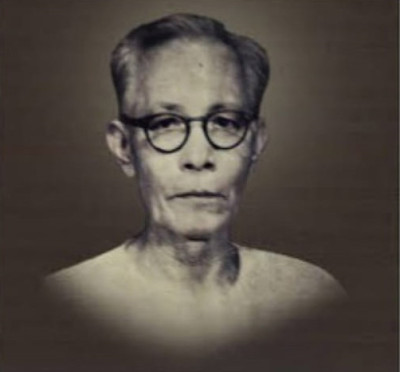
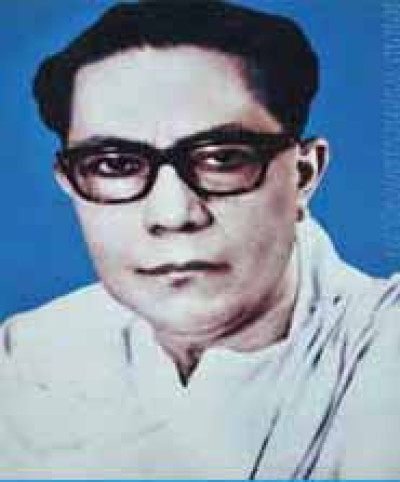
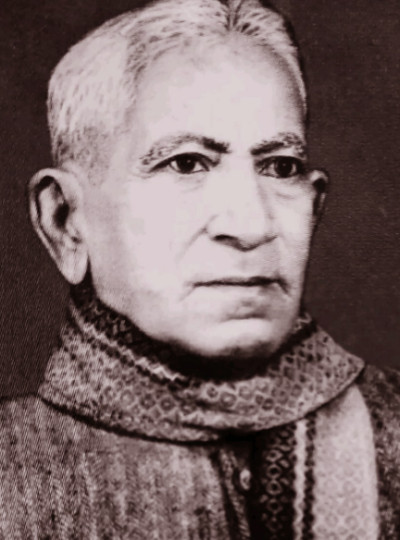
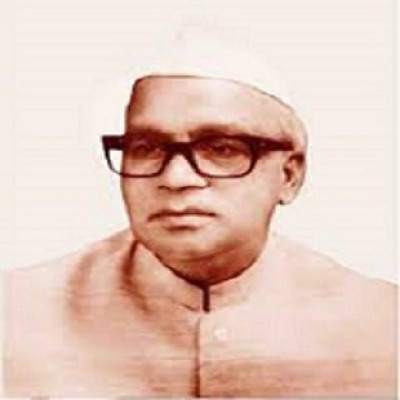
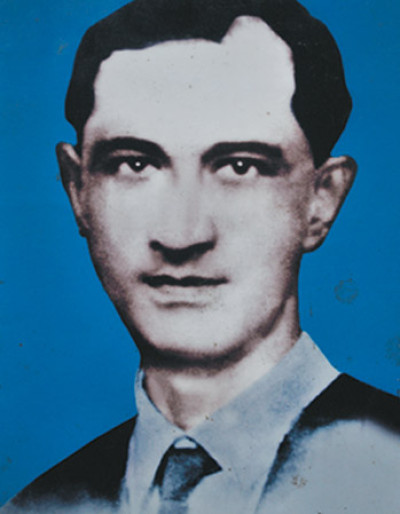
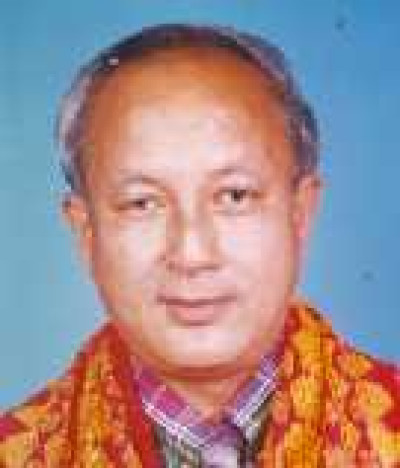
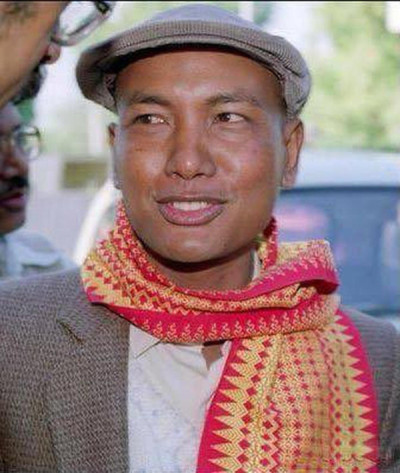
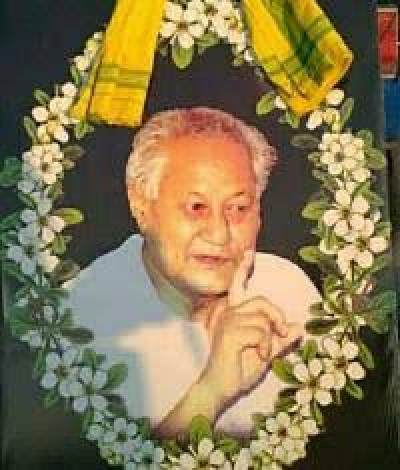
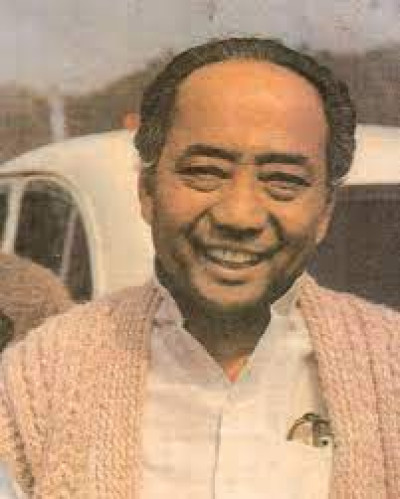
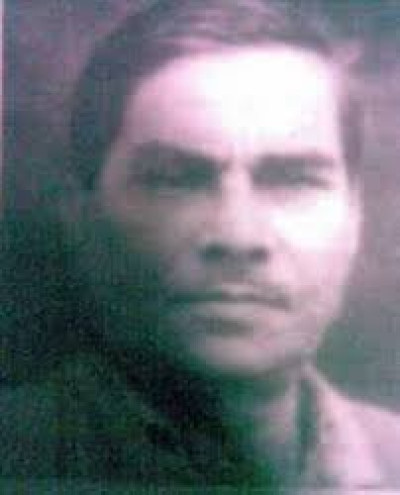
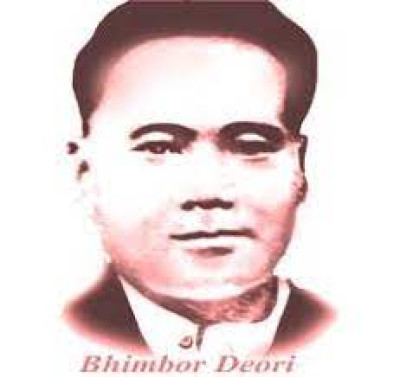
Bhimbor Deori was born on 16 May 1903 into the Deori community in Assam. His father was Godaram Deori, and his mother was Bajoti Deori. He grew up during a period when the indigenous tribal communities faced numerous social, political, and economic challenges under colonial administration. Witnessing these hardships from an early age inspired him to work for the upliftment and protection of tribal society throughout his life.
Education
Bhimbor Deori received formal education and later studied law, becoming a respected lawyer. His legal knowledge helped him understand constitutional matters, land policies, and governance. He effectively used his education to advocate for the rights of indigenous people and to present their concerns before legislative bodies and government authorities.
Political and Social Career
Bhimbor Deori emerged as one of the leading representatives of the plains tribal communities of Assam. In 1933, he became one of the founding leaders and General Secretary of the Assam Backward Plains Tribal League, an organization established to protect the interests of the tribal population.
Throughout his political career, he consistently raised issues concerning land ownership, education, employment opportunities, and political representation for indigenous communities. He strongly opposed policies that threatened the traditional land rights of tribal people and repeatedly demanded fair distribution of land pattas to the native inhabitants of Assam.
During debates in the Assam Legislative Council, Bhimbor Deori voiced concern over unchecked migration and its possible long-term impact on Assam's indigenous communities. He also criticised inadequate educational policies and argued that tribal communities deserved equal opportunities in education, government services, and economic development.
One of his most notable contributions was his support for the creation of Tribal Belts and Blocks, a policy designed to protect tribal land from large-scale alienation. His efforts helped lay the foundation for legal safeguards that continue to influence land protection policies in Assam.
Contribution to India's Freedom and Assam
Bhimbor Deori actively participated in the political developments surrounding India's independence. He worked alongside several prominent Assamese leaders during a crucial period in the 1940s. Historical accounts credit him and other tribal leaders with supporting efforts that ensured Assam remained part of the Republic of India during the partition era. His commitment to preserving Assam's territorial integrity remains an important aspect of his legacy.
He was also among the important architects of the Khasi Darbar Hall Resolutions held between 21 and 23 March 1945, where representatives of several indigenous communities discussed the political future and rights of native people in Northeast India.
Major Achievements
- One of the founding leaders of the Assam Backward Plains Tribal League.
- Served as the General Secretary of the organization.
- Promoted the protection of indigenous land rights in Assam.
- Strongly advocated for Tribal Belts and Blocks to safeguard tribal land.
- Raised important issues concerning tribal education, employment, and political representation.
- Played a significant role in debates within the Assam Legislative Council.
- Contributed to protecting the interests of Assam during the period leading to Indian independence.
- Helped formulate the Khasi Darbar Hall Resolutions of 1945.
- Inspired future generations of tribal leaders across Assam.
- Remembered as one of the foremost champions of indigenous rights in Assam.
Awards and Recognition
No official national awards are recorded in Bhimbor Deori's name. However, he is widely remembered as one of Assam's most respected tribal leaders and social reformers. Various organizations, scholars, and members of the Deori community continue to honour his contributions toward tribal welfare, constitutional rights, and social justice.
Death
Bhimbor Deori passed away on 30 November 1947 at the age of 44. Although his life was relatively short, his contributions to tribal rights, social justice, and the political history of Assam continue to inspire scholars, community leaders, and future generations.
Legacy
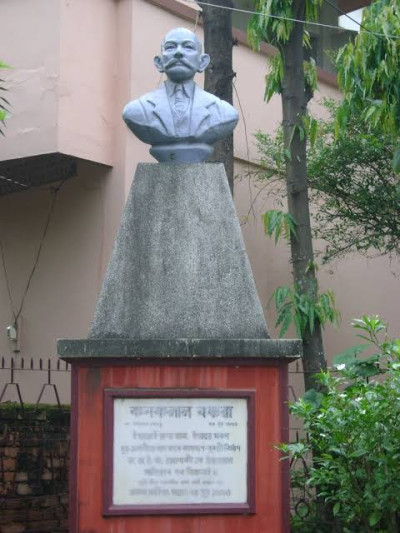
Bhimbor Deori occupies a special place in the history of Assam as a visionary tribal leader who dedicated his life to protecting the identity, culture, and constitutional rights of indigenous communities. His advocacy for land security, educational advancement, and political representation helped shape policies that continue to benefit tribal society. Today, he is remembered as a symbol of leadership, courage, social justice, and unwavering commitment to the welfare of Assam's indigenous people.
FAQs about Bhimbor Deori
1. Who was Bhimbor Deori?
Bhimbor Deori was a prominent tribal leader, lawyer, and political activist from Assam who worked for the rights and welfare of indigenous tribal communities.
2. When was Bhimbor Deori born?
Bhimbor Deori was born on 16 May 1903 in Assam.
3. What was Bhimbor Deori famous for?
He was known for protecting tribal land rights, promoting education, advocating political representation, and helping establish the Assam Backward Plains Tribal League.
4. What was Bhimbor Deori's role in the Assam Backward Plains Tribal League?
He was one of its founding leaders and served as the General Secretary, working to safeguard the interests of the plains tribal communities.
5. What are Tribal Belts and Blocks?
Tribal Belts and Blocks are protected land areas created to safeguard the land rights of indigenous tribal communities, a policy strongly supported by Bhimbor Deori.
6. What was Bhimbor Deori's contribution to Assam's political history?
He raised important issues regarding land, education, tribal welfare, and constitutional safeguards while serving in the Assam Legislative Council.
7. What were the Khasi Darbar Hall Resolutions?
The Khasi Darbar Hall Resolutions of 1945 were discussions among indigenous leaders concerning the future and rights of tribal communities in Northeast India, with Bhimbor Deori being one of the important architects.
8. Did Bhimbor Deori write any books?
No verified historical records confirm that Bhimbor Deori authored any books.
9. When did Bhimbor Deori die?
He passed away on 30 November 1947.
10. Why is Bhimbor Deori remembered today?
He is remembered for his lifelong dedication to protecting indigenous identity, tribal land rights, social justice, and the political interests of Assam's tribal communities.