Life & Legacy
Early Life
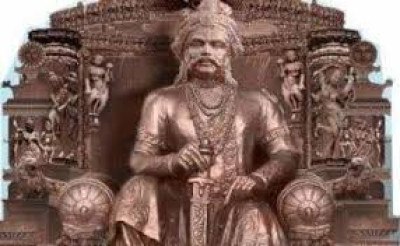
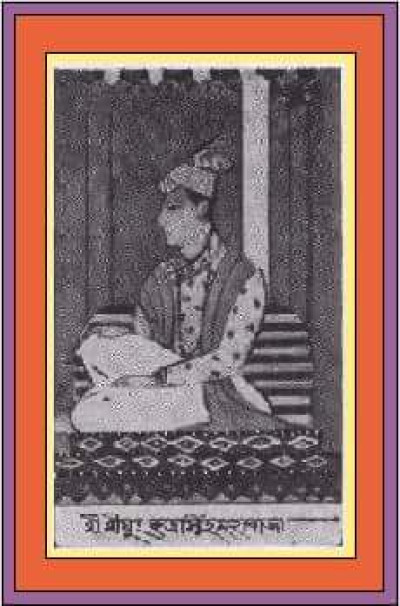
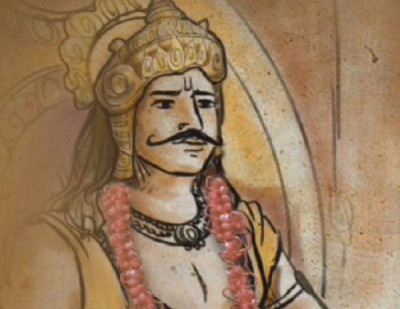
Bhaskaravarman was born into the royal Varman dynasty, which ruled the ancient kingdom of Kamarupa. He was the younger son of King Susthitavarman and the younger brother of King Supratisthitavarman. After the untimely death of his brother without an heir, Bhaskaravarman ascended the throne around 600 CE. He inherited a kingdom facing political challenges from neighbouring powers, but his intelligence and determination soon restored the prestige and strength of Kamarupa.
Education and Personality
Although no formal records describe his education, historical evidence clearly shows that Bhaskaravarman was highly educated and possessed deep knowledge of politics, diplomacy, religion, literature, and administration. He was respected as a wise statesman and a patron of scholars. His court attracted learned people from different regions, making Kamarupa an important centre of learning during the seventh century.
Reign and Administration
Bhaskaravarman proved to be an efficient administrator who strengthened governance throughout his kingdom. His rule brought political stability, economic prosperity, and improved administration across the Brahmaputra Valley. He successfully expanded Kamarupa's influence while maintaining peace within his kingdom. His government encouraged agriculture, trade, education, and religious harmony, contributing to the overall development of the region.
One of the defining features of his reign was his diplomatic alliance with Emperor Harshavardhana of Kannauj. Together, they opposed the powerful ruler Shashanka of Gauda. This alliance elevated the political importance of Kamarupa and established Bhaskaravarman as one of the leading rulers of early medieval India.
Military Achievements
Bhaskaravarman was not only a skilled diplomat but also a capable military leader. He successfully defended his kingdom against rival powers and participated in military campaigns alongside Harshavardhana. His strategic decisions helped Kamarupa recover lost territories and secure its western frontiers. His military strength ensured that Kamarupa remained an independent and influential kingdom during a period of intense political competition.
Cultural and Religious Contributions
Bhaskaravarman is remembered as a generous patron of art, literature, religion, and education. Although he was a devotee of Lord Shiva and followed Hindu traditions, he respected Buddhist scholars and welcomed people from different religious backgrounds. His reign reflected religious tolerance and cultural openness.
The Chinese monk Xuanzang visited Kamarupa around 643 CE and praised Bhaskaravarman for his wisdom, hospitality, and love for learning. Xuanzang described the kingdom as prosperous, fertile, and culturally advanced. These observations remain one of the most valuable historical sources on ancient Assam.
Bhaskaravarman also issued the famous Dubi and Nidhanpur Copper Plate Grants, which provide important information about the history, administration, genealogy, and land grants of the Varman dynasty. A royal seal bearing his name was also discovered at Nalanda, highlighting his connections with one of the world's oldest centres of higher learning.
Major Achievements
- Last and most celebrated ruler of the Varman dynasty.
- Strengthened and expanded the Kingdom of Kamarupa.
- Formed a historic alliance with Emperor Harshavardhana.
- Successfully resisted rival kingdoms and restored Kamarupa's political influence.
- Encouraged education, literature, arts, and religious harmony.
- Welcomed Chinese scholar Xuanzang to Kamarupa.
- Issued the historic Dubi and Nidhanpur Copper Plate Grants.
- Established Kamarupa as an important political and cultural centre of early medieval India.
- Left valuable historical records through inscriptions and diplomatic exchanges.
- Inspired the naming of the Assamese Bhaskarabda calendar.
Awards and Recognition
Formal awards did not exist during Bhaskaravarman's lifetime. However, he continues to receive lasting recognition through historical records and institutions named in his honour.
- Bhaskarabda, the traditional Assamese calendar, is named after him.
- Kumar Bhaskar Varma Sanskrit and Ancient Studies University, Nalbari, commemorates his legacy.
- Kumar Bhaskar Varma Setu across the Brahmaputra River is named in his honour.
- Widely regarded as one of the greatest rulers in the history of Assam.
Death
The exact date, place, and circumstances of Bhaskaravarman's death remain uncertain, although historians generally believe that his reign ended around 650 CE. Since he had no direct successor, the Varman dynasty came to an end, and the Mlechchha dynasty eventually assumed power in Kamarupa.
Legacy
Bhaskaravarman occupies a unique place in the history of Assam as one of its greatest monarchs. His successful diplomacy, administrative reforms, military leadership, and patronage of culture transformed Kamarupa into a respected kingdom across India. Even after nearly fourteen centuries, he continues to be remembered as a symbol of visionary leadership, cultural excellence, and political wisdom. His contributions remain an important part of Assam's historical heritage and continue to inspire scholars, historians, and the people of the state.
FAQs on Bhaskaravarman