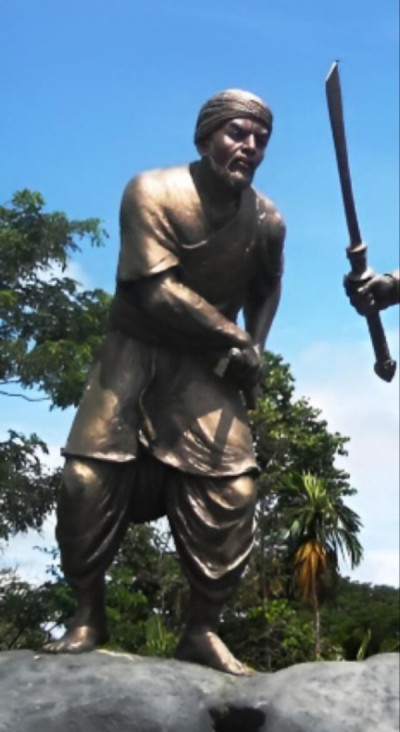
Life & Legacy
Early Life
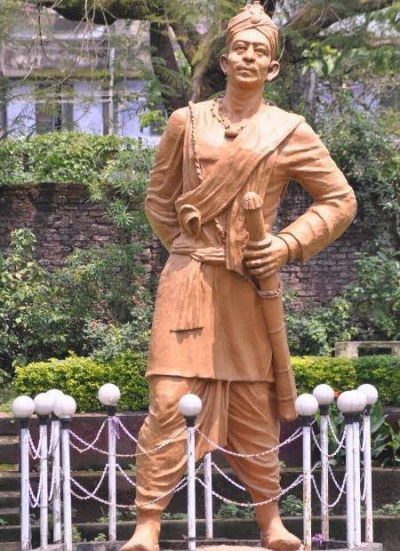
Ismail Siddique was born into an Assamese Muslim family at Dhekerigaon near Garhgaon, the then capital of the Ahom Kingdom in present-day Sivasagar district, Assam. Historical records about his childhood are limited, but local traditions describe him as a physically strong and fearless young man. One of the most famous legends associated with him tells of his extraordinary bravery in killing a tiger with his bare hands to save his village. This remarkable act is believed to have earned him the title "Bagh," meaning "Tiger" in Assamese.
Military Career
Recognizing his courage and leadership qualities, Ahom King Chakradhwaj Singha appointed Ismail Siddique to the rank of Hazarika, a military officer responsible for commanding around one thousand soldiers. From that time onward, he became widely known as Bagh Hazarika.
During the Ahom-Mughal conflicts, Bagh Hazarika emerged as one of the trusted commanders serving under the legendary Ahom general Lachit Borphukan. His understanding of warfare and strategic planning proved valuable in defending the Ahom Kingdom from repeated Mughal attacks.
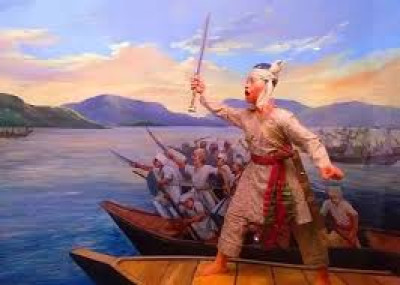
One of the most celebrated episodes associated with Bagh Hazarika took place before the historic Battle of Saraighat in 1671. According to Assamese historical traditions, he proposed a daring strategy to neutralize the Mughal artillery positioned along the Brahmaputra River. Leading a small group of selected soldiers under the cover of darkness, he crossed the river and secretly reached the Mughal camp. Taking advantage of the early morning hours, his team rendered several Mughal cannons unusable by pouring water into them. This bold operation significantly reduced the enemy's firepower and helped the Ahom forces launch a successful attack.
His courage, quick thinking, and leadership became an important part of the military success that ultimately led to the Ahom victory at Saraighat, one of the greatest battles in the history of Assam.
Achievements
- Served as a distinguished commander in the Ahom army.
- Earned the title "Bagh" for his legendary bravery.
- Held the military rank of Hazarika under the Ahom administration.
- Played an important role during the Ahom-Mughal conflicts.
- Associated with the successful military strategy used before the Battle of Saraighat.
- Became a symbol of courage, patriotism, and dedication to Assam.
- Remembered as an example of communal harmony through his service to the Ahom Kingdom.
- Continues to be honoured in Assamese history, folklore, literature, and public discussions.
Awards and Recognition
No formal awards existed in the modern sense during Bagh Hazarika's lifetime. However, historical traditions state that the Ahom king highly honoured him for his military achievements and bravery after the successful campaigns against the Mughal forces. Today, he is widely regarded as one of the notable military heroes of Assam.
Death
The exact date, place, and circumstances of Bagh Hazarika's death are not clearly documented in available historical sources. Despite the absence of detailed records, his contribution to the defence of the Ahom Kingdom continues to be remembered across Assam.
Legacy
Bagh Hazarika occupies a respected place in the military history of Assam. His life represents courage, intelligence, loyalty, and selfless service to the kingdom during one of its most challenging periods. He is frequently remembered alongside the heroes of the Battle of Saraighat, especially Lachit Borphukan, for helping preserve the independence of the Ahom Kingdom against Mughal expansion.
His story also reflects the inclusive nature of the Ahom administration, where capable individuals from different communities served together for the protection of Assam. While certain aspects of his life continue to be discussed among historians, his legacy remains an important part of Assam's historical and cultural identity.
FAQs on Ismail Siddique or Bagh Hazarika
1. Who was Ismail Siddique (Bagh Hazarika)?
Ismail Siddique, popularly known as Bagh Hazarika, was a seventeenth-century military commander of the Ahom Kingdom who is remembered for his bravery during the Ahom-Mughal wars.
2. Why was Ismail Siddique called Bagh Hazarika?
According to Assamese tradition, he received the title "Bagh" after displaying extraordinary courage by killing a tiger, while "Hazarika" referred to his military rank.
3. What was Bagh Hazarika's role in the Battle of Saraighat?
Historical traditions credit him with leading a special operation that disabled Mughal cannons before the Battle of Saraighat, helping the Ahom forces secure victory.
4. Which king appointed Bagh Hazarika?
He is believed to have been appointed as a Hazarika by Ahom King Chakradhwaj Singha.
5. Did Bagh Hazarika fight alongside Lachit Borphukan?
Yes. He served under the leadership of Lachit Borphukan during the Ahom resistance against the Mughal Empire.
6. Where was Ismail Siddique born?
He is traditionally believed to have been born at Dhekerigaon near Garhgaon in present-day Sivasagar district, Assam.
7. What is the meaning of Hazarika?
Hazarika was an important military rank in the Ahom administration, generally associated with commanding around one thousand soldiers.
8. Why is Bagh Hazarika important in Assam's history?
He is remembered for his military courage, strategic abilities, and contribution to protecting the Ahom Kingdom from Mughal invasions.
9. Did Bagh Hazarika write any books?
No. There is no historical evidence that Bagh Hazarika authored any books.
10. Why is Bagh Hazarika still remembered today?
He is remembered as one of Assam's courageous military heroes whose life symbolizes patriotism, bravery, unity, and dedication to the defence of the Ahom Kingdom.