Life & Legacy
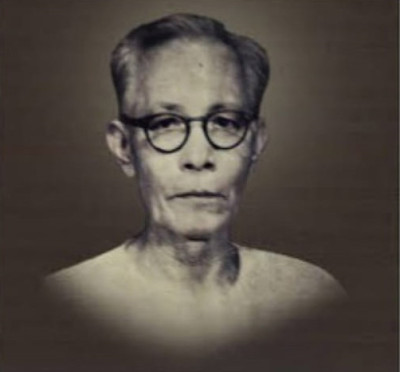
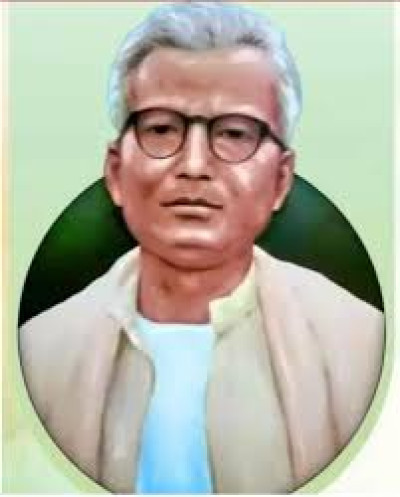
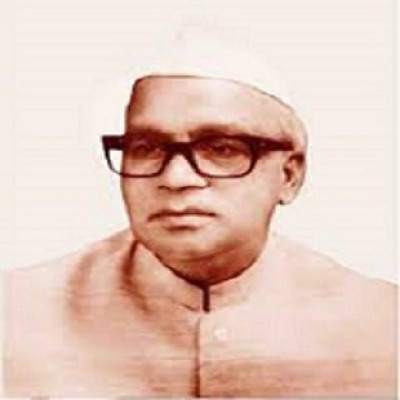
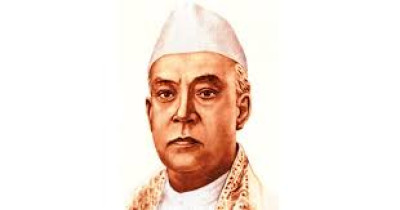
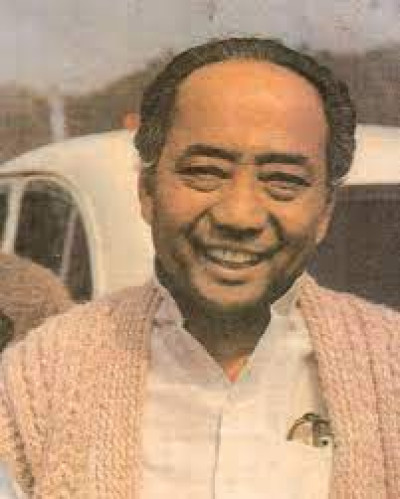
Bhagwati represented the Tezpur constituency in the Lok Sabha multiple times, winning elections in 1957, 1962 and 1967. His political career reflects his deep connection with the people of Assam and his ability to address issues related to regional development, workers' rights and public infrastructure. As a parliamentarian, he actively participated in debates concerning national growth, labour welfare and administrative reforms.
He served as the Deputy Minister in the Ministry of Works, Housing and Urban Development during the first Indira Gandhi ministry, holding office from 24 January 1966 to 13 March 1967. In this role, Bhagwati contributed to key policy decisions related to urban planning, housing development and public works that significantly shaped India's post‑independence infrastructural landscape.
One of the most significant aspects of his career was his association with the Indian National Trade Union Congress (INTUC). As the National President of INTUC, he worked tirelessly to uplift the labour community, promote industrial harmony and safeguard the rights of workers across the country. His leadership strengthened INTUC's foundations and expanded its influence among organized labour groups.
In recognition of his lifelong dedication to public service, Bijoy Chandra Bhagwati was honored with the Padma Bhushan in 1992, one of India's highest civilian awards. This prestigious recognition highlighted his unmatched commitment to the nation and his invaluable contributions to India's political and social landscape.
Even today, Bijoy Chandra Bhagwati is celebrated as a visionary leader from Assam whose efforts shaped national policies and empowered countless citizens. His legacy continues to inspire political leaders, historians and youth who seek to understand the evolution of India's democratic and labour movements.