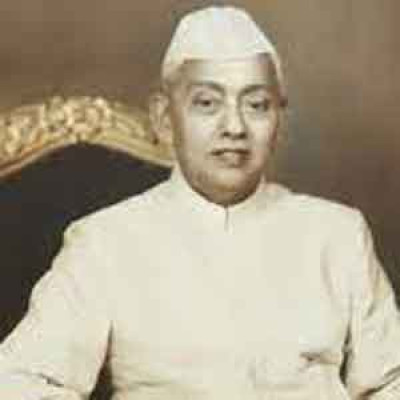
Life & Legacy
Early Life and Family Background
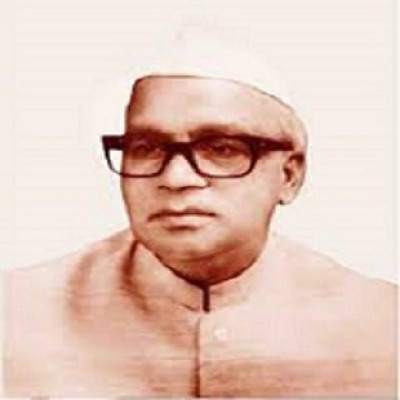
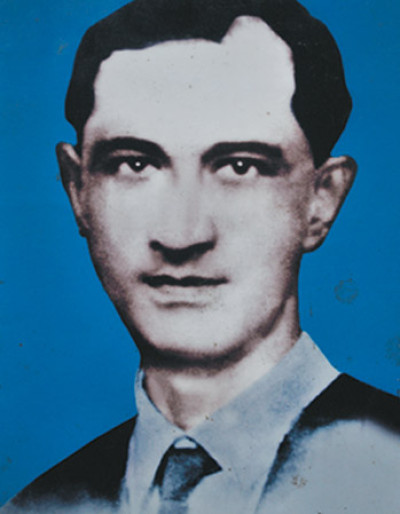
Bishnuram Medhi was born on 24 April 1888 in Hajo, a historic town in present-day Kamrup district of Assam. He was born into a humble family and grew up with a strong emphasis on education, hard work, and social responsibility. From an early age, he displayed exceptional academic talent and determination.
He completed his schooling at Cotton Collegiate School in Guwahati and passed the matriculation examination in 1905. He later pursued higher education at Presidency College and continued his studies in science. After completing his education, he studied law and qualified as a legal professional, laying the foundation for a successful public career.
Education
- Studied at Cotton Collegiate School, Guwahati
- Passed Matriculation Examination in 1905
- Pursued higher studies at Presidency College
- Completed postgraduate studies in Organic Chemistry
- Obtained a law degree and qualified for legal practice
Role in India's Freedom Movement
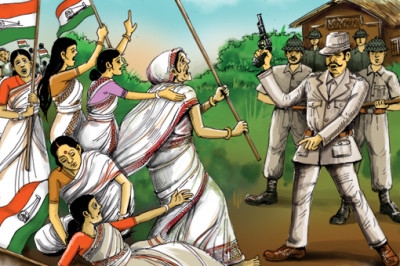
Bishnuram Medhi actively participated in India's struggle for independence. He joined the Indian National Congress during the 1920s and became involved in several nationalist activities. He supported the Non-Cooperation Movement and worked tirelessly to strengthen the Congress organization in Assam.
His leadership abilities were widely recognized. In 1926, he served as Joint Secretary of the Reception Committee of the historic Pandu Session of the Indian National Congress. By 1930, he had become President of the Assam Provincial Congress, emerging as one of the leading political figures in the region.
He also worked closely with Lokapriya Gopinath Bordoloi during the critical years surrounding India's independence. Their efforts contributed significantly to ensuring that Assam remained an integral part of India during the partition era.
Political Career
With the introduction of provincial autonomy under the Government of India Act, 1935, Bishnuram Medhi entered mainstream governance and served as Finance Minister in the cabinet led by Gopinath Bordoloi.
Following independence, he became the Chief Minister of Assam in 1950 and served until 1957. His tenure was characterized by a strong focus on administration, law and order, development, and institutional governance. He believed that long-term stability and effective governance were more important than short-term political popularity.
As Chief Minister, he dealt with several complex issues, including refugee rehabilitation, land administration, demographic challenges, and regional security concerns. His firm and principled approach often generated debate, but it also earned him widespread respect as a leader who prioritized the interests of the state.
Governor of Madras
After completing his tenure as Chief Minister, Bishnuram Medhi was appointed Governor of Madras State in 1958. He served in this prestigious constitutional position until 1964, becoming one of the first prominent Assamese leaders to hold such a high office outside the state. His tenure as Governor further strengthened his reputation as an efficient and impartial administrator.
Major Achievements
- Active participant in India's freedom movement
- Senior leader of the Indian National Congress in Assam
- President of the Assam Provincial Congress
- Finance Minister in Gopinath Bordoloi's cabinet
- Chief Minister of Assam (1950-1957)
- Governor of Madras State (1958-1964)
- Played an important role in safeguarding Assam's interests during the independence period
- Strengthened governance and administrative institutions in Assam
- Promoted constitutional values and disciplined public administration
- Remembered as the "Iron Man of Assam"
Awards and Recognition
Although Bishnuram Medhi was not known for seeking personal recognition, he remains one of the most respected political leaders in Assam's history.
Recognition includes:
- Remembered as the "Iron Man of Assam"
- Honored for his contribution to India's freedom struggle
- Recognized for his role in strengthening post-independence Assam
- His public service continues to be studied by historians and political scholars
Personal Life
Bishnuram Medhi was known for his simple lifestyle, honesty, and strict personal discipline. He was deeply committed to public welfare and social development. He and his wife, Nirmala Medhi, were respected for their humility and service-oriented approach to life.
He had no children. In accordance with his wishes, his properties were dedicated to social welfare activities, including children's education and welfare initiatives.
Death
Bishnuram Medhi passed away on 21 January 1981 at the age of 92. His death marked the end of a remarkable era in Assam's political history. However, his contributions to public administration, nationalism, and democratic governance continue to inspire generations of leaders and citizens.
Today, Bishnuram Medhi is remembered as a visionary statesman who dedicated his entire life to the service of Assam and India. His legacy stands as a symbol of integrity, discipline, patriotism, and responsible leadership.
FAQs on Bishnuram Medhi
1. Who was Bishnuram Medhi?
Bishnuram Medhi was an Indian freedom fighter, politician, and administrator who served as the Chief Minister of Assam and later as the Governor of Madras State.
2. When was Bishnuram Medhi born?
He was born on 24 April 1888 in Hajo, Assam.
3. Why is Bishnuram Medhi called the Iron Man of Assam?
He earned the title because of his disciplined leadership, strong administrative decisions, and unwavering commitment to governance.
4. When did Bishnuram Medhi serve as Chief Minister of Assam?
He served as the Chief Minister of Assam from 1950 to 1957.
5. What was Bishnuram Medhi's role in the freedom movement?
He participated in the Non-Cooperation Movement and worked actively through the Indian National Congress during India's struggle for independence.
6. Which political party did Bishnuram Medhi belong to?
He was a prominent leader of the Indian National Congress.
7. What position did Bishnuram Medhi hold after serving as Chief Minister?
He became the Governor of Madras State and served from 1958 to 1964.
8. Where did Bishnuram Medhi receive his education?
He studied at Cotton Collegiate School and later pursued higher education in science and law.
9. What are Bishnuram Medhi's major contributions to Assam?
His contributions include strengthening governance, promoting constitutional administration, supporting the freedom movement, and leading Assam during its early post-independence years.
10. When did Bishnuram Medhi die?
Bishnuram Medhi passed away on 21 January 1981 at the age of 92.