Life & Legacy
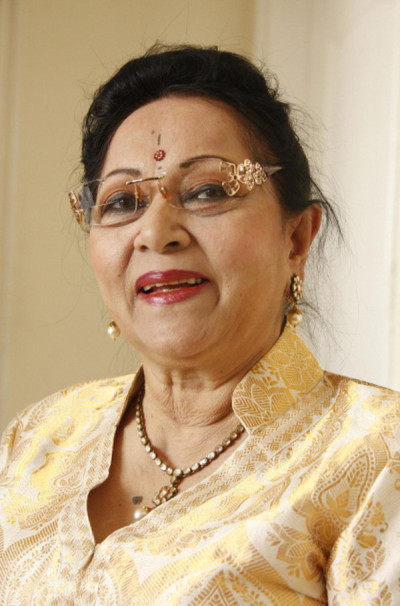
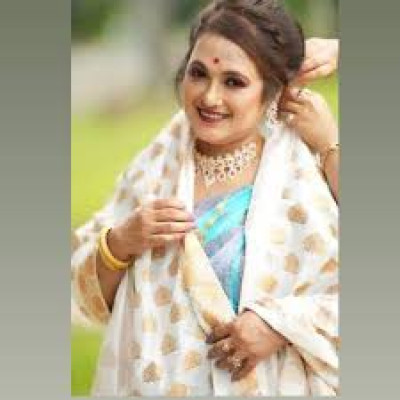
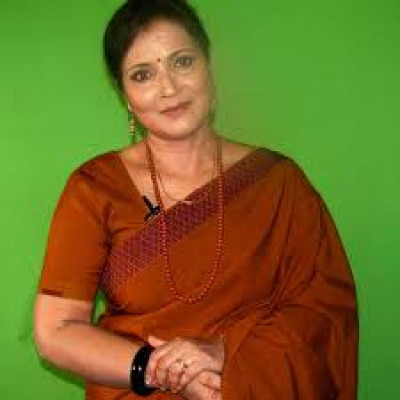
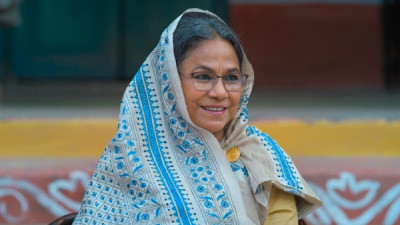
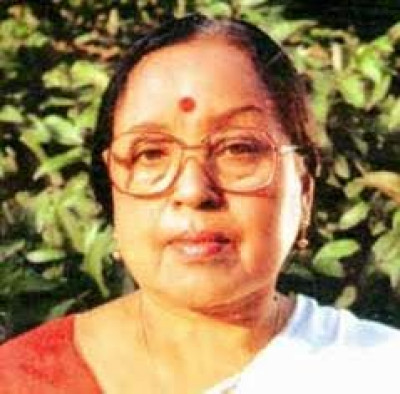
Her journey from a small town in Assam to becoming a veteran performer in the Assamese film industry reflects not only her artistic dedication but also her perseverance and commitment to regional cinema. Over the years, she has appeared in more than 60 Assamese feature films, over 30 VCD productions, several television serials, and telefilms, making her one of the most prolific actresses of her generation.
Early Life and Family Background
Mridula Baruah was born on 14 April 1958 in Sotia, a town in the Sonitpur district of Assam, India. She grew up in a modest household where discipline, cultural values, and education were deeply emphasized. Her father, Jogendranath Baruah, worked as the Outdoor In-Charge of the Pratapgarh Tea Estate, which meant the family lived amidst tea gardens and rural communities. This environment nurtured her understanding of Assamese culture, traditions, and everyday rural life, elements that would later enrich her on-screen portrayals.
She was one of six siblings, and growing up in a close-knit family helped shape her compassionate nature and emotional sensitivity. Later, the family moved to Biswanath Chariali, another important town in Assam. During her school years, Mridula was shy by nature but showed a natural inclination toward storytelling and performance.
Her first experience with acting came while studying in Class 10, when she participated in a school drama competition and secured third prize. This moment became a turning point, boosting her confidence and awakening her passion for performing arts. Encouraged by teachers and peers, she continued participating in stage plays and competitions during her college years.
Her breakthrough moment came when she won first prize in the prestigious All-Assam Surya Bora Memorial One-Act Play Competition. Her performance caught the attention of film director and actor Abdul Majid, who recognized her potential and encouraged her to enter Assamese cinema.
Entry into Assamese Film Industry
Mridula Baruah entered the Assamese film industry during the late 1970s, a period when regional cinema was evolving with stronger narratives and cultural depth. Her first signed project was Upapath, directed by Hemanta Dutta and produced by Pramod Baruah. However, her first release was Moromi (1978), directed by Dwijendra Narayan Dev, making it her official debut on the silver screen.
Despite being a college student at the time, her screen presence stood out for its maturity and authenticity. Unlike many newcomers, she did not rely on glamour alone but brought emotional realism and relatability to her characters. This quality quickly distinguished her from her contemporaries and established her as a promising actress in Assamese cinema.
Breakthrough and Rise to Stardom
Mridula Baruah's career gained momentum with Megh Mukti (1979), where she portrayed dual roles as twin sisters. This was the first Assamese film to feature an actress in a double role, making it a landmark project. Her ability to differentiate between the two characters using subtle body language, expressions, and voice modulation impressed audiences and critics alike.
Her breakthrough came in the early 1980s with films such as Bowari (1982) and Kokadeuta Nati aru Hati (1983). These films became major commercial successes and elevated her status as a leading actress. In Kokadeuta Nati aru Hati, she played the character Makon, delivering a heartfelt performance that explored family relationships and emotional bonds. Her role earned her widespread acclaim and her first major acting award.
During this period, Mridula Baruah became known for her graceful screen presence and ability to portray both modern and traditional Assamese women. She effortlessly balanced strength and vulnerability, making her characters memorable and relatable.
Versatility and Critical Acclaim
One of the defining features of Mridula Baruah's career is her extraordinary versatility. Unlike many actresses who remain confined to romantic roles, she transitioned smoothly into mature and character-driven roles during the mid-1980s and 1990s. Films like Maa (1986) and Pratima (1987) showcased her talent for portraying emotionally complex maternal figures and older female characters, earning her admiration from both audiences and critics.
Her critically acclaimed performance in Abartan (1993), directed by Bhabendra Nath Saikia, marked another milestone. She played the role of Jayanti, a struggling theatre actress navigating personal and professional challenges. The performance was praised for its realism, depth, and emotional sensitivity, further solidifying her reputation as a serious performer in parallel cinema.
She continued to deliver impactful roles in films such as Itihas (1996), Aawaran (1993), and Gun Gun Gane Gane (2002), demonstrating her ability to handle socially relevant themes and complex character arcs. In Hiya Diya Niya (2000), she portrayed a strong-willed and authoritative mother, a departure from traditional maternal roles, which added tension and realism to the narrative.
Her brief appearance in Bhupen Hazarika's Hindi film Kalsandhya (1997) expanded her presence beyond Assamese cinema and highlighted her adaptability to different film industries.
Filmography Highlights
Mridula Baruah has acted in more than 60 feature films. Some of her most notable works include:
-
Moromi (1978)
-
Megh Mukti (1979)
-
Bowari (1982)
-
Kokadeuta Nati aru Hati (1983)
-
Maa (1986)
-
Pratima (1987)
-
Sarathi (1992)
-
Abartan (1993)
-
Itihas (1996)
-
Hiya Diya Niya (2000)
-
Tumi Mur Mathu Mur (2000)
-
Daag (2001)
-
Gun Gun Gane Gane (2002)
-
Kanyadan (2002)
-
Hepah (2003)
-
Raghav (2023)
She also acted in numerous VCD films during the late 1990s and early 2000s, a period when Assamese cinema faced distribution challenges. These productions helped sustain regional storytelling and allowed rural audiences to stay connected with Assamese culture.
Television, VCD Films, and Telefilms
Apart from mainstream cinema, Mridula Baruah played a significant role in Assamese television and telefilms. She appeared in several serials broadcast on Doordarshan and regional channels, portraying characters rooted in Assamese society and traditions. Her television performances were appreciated for their authenticity and emotional depth.
She also worked extensively in over 30 VCD films, which became popular in Assam due to limited access to theaters in rural areas. These films played a major role in preserving local narratives and cultural expressions during challenging times for the Assamese film industry.
Career as a Producer and Documentary Maker
In 2000, Mridula Baruah expanded her creative journey by stepping into production. She produced two television serials for Doordarshan, marking her debut as a producer. These projects focused on regional themes and storytelling, contributing to the development of Assamese television content.
She also produced several documentaries for the Government of Assam, addressing social issues, cultural heritage, and regional development. These documentaries reflected her commitment to using cinema as a medium for education, awareness, and cultural preservation.
Her work behind the camera demonstrated her holistic understanding of media production and storytelling, further strengthening her influence within the Assamese creative ecosystem.
Awards and Honors
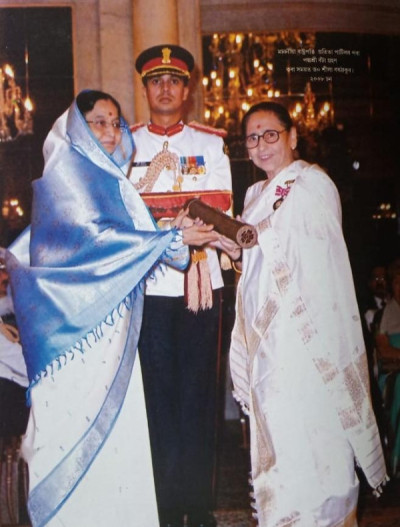
Mridula Baruah has received numerous accolades throughout her career for her artistic excellence and long-standing contribution to Assamese cinema.
Major Awards:
-
Best Actress (1984) by Assam Artist Association for Kokadeuta Nati aru Hati
-
Best Supporting Actress (1987) by Eastern India Motion Pictures Association for Maa
-
Best Supporting Actress (2005) by Assam State Film Awards
-
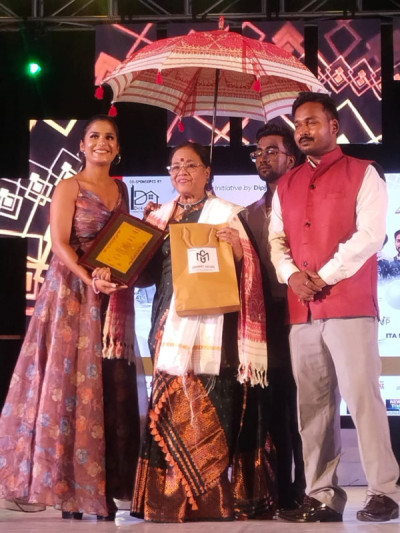
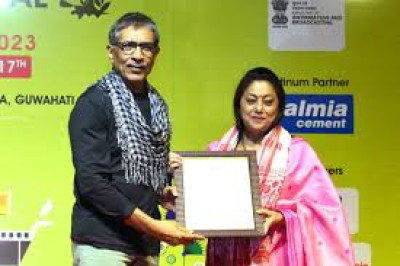
Lifetime Achievement Award (2021) by Asom Star
-
Lifetime Achievement Award at Prag Cine Awards
-
Chinmoy Ranjan Dutta Memorial Award
-
Lifetime Contribution to Assamese Cinema Award by Yotirupa Assam
These honors recognize not only her acting talent but also her dedication to the growth and sustainability of Assamese cinema.
Contribution to Assamese Culture and Cinema
Mridula Baruah is widely regarded as a cultural icon in Assam. Her performances have consistently reflected the emotional realities of Assamese women across generations, from young dreamers to resilient mothers and dignified elders. She brought depth and authenticity to regional cinema at a time when representation from Northeast India was limited in the national mainstream.
Her ability to evolve with changing cinematic trends while staying rooted in cultural authenticity has inspired generations of actors and filmmakers. She remains a role model for aspiring artists, particularly women seeking long-lasting careers in regional cinema.
Beyond entertainment, her work has helped preserve Assamese language, traditions, and social narratives. Through films, television, and documentaries, she contributed significantly to the visibility and appreciation of Northeast Indian culture across India.
Legacy and Continued Influence
Even after decades in the industry, Mridula Baruah continues to remain active and respected in Assamese cinema. Her recent projects demonstrate her adaptability to contemporary storytelling and evolving audience tastes. Unlike many actors who fade after their peak years, she successfully transitioned into character roles, maintaining relevance and artistic dignity.
Her legacy lies not only in her extensive filmography but also in the emotional impact of her performances and her role in shaping Assamese cinema's identity. As a pioneer of strong female characters in regional cinema, she remains one of Assam's most admired actresses.
Mridula Baruah stands as a symbol of dedication, cultural pride, and artistic excellence. Her journey from a tea garden town in Sonitpur to becoming a legendary figure in Assamese cinema serves as an inspiration for countless artists and film lovers across India.
FAQs on Mridula Baruah
1. Who is Mridula Baruah?
Mridula Baruah is a renowned Assamese actress known for her work in over 60 films, television serials, and documentaries across four decades.
2. Where was Mridula Baruah born?
She was born in Sotia, Sonitpur district, Assam, India, on 14 April 1958.
3. What was Mridula Baruah's first film?
Her first released film was Moromi (1978), although Upapath was her first signed project.
4. Which film made Mridula Baruah famous?
Kokadeuta Nati aru Hati (1983) brought her widespread recognition and critical acclaim.
5. How many films has Mridula Baruah acted in?
She has acted in more than 60 Assamese feature films and over 30 VCD productions.
6. Has Mridula Baruah won any Lifetime Achievement Awards?
Yes, she has received multiple Lifetime Achievement Awards, including honors from Asom Star and Prag Cine Awards.
7. Did Mridula Baruah work in television?
Yes, she appeared in several Assamese and Hindi television serials and also produced shows for Doordarshan.
8. Is Mridula Baruah also a producer?
Yes, she debuted as a producer in 2000 and created television serials and documentaries for the Government of Assam.
9. What are Mridula Baruah's most popular movies?
Some of her best-known films include Moromi, Megh Mukti, Bowari, Kokadeuta Nati aru Hati, Abartan, and Hiya Diya Niya.
10. Why is Mridula Baruah important to Assamese cinema?
She is considered a pioneer of strong female roles in Assamese cinema and has significantly contributed to preserving regional culture through film.