Life & Legacy
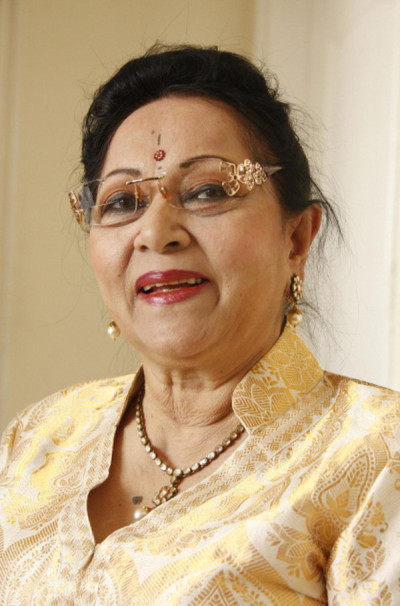
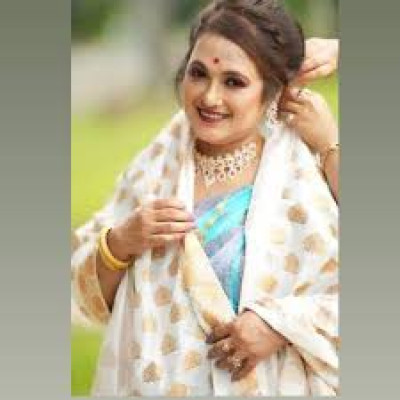
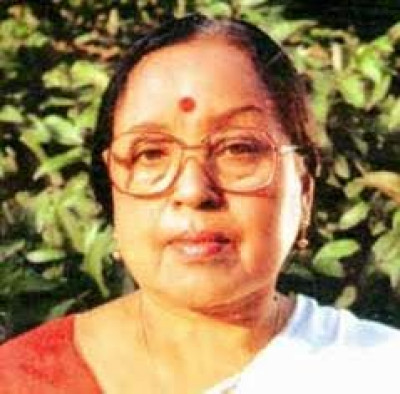
Born in Dibrugarh, Assam, Moloya Goswami belonged to a Rajkhowa family that valued education, culture, and artistic expression. From a young age, she showed keen interest in literature, theatre, and performance arts. After completing her matriculation, she moved to Guwahati for higher studies and pursued her graduation from Handique Girls College, one of the most prestigious institutions in Assam. She later completed her post-graduation from Gauhati University, strengthening her academic foundation while continuing her engagement in extracurricular activities such as drama, recitation, sports, and stage performance.
During her college years, Moloya Goswami was not only academically active but also excelled in sports and cultural programs. She was selected for the first womens hockey team from Assam, which reflected her disciplined personality and leadership qualities. At the same time, her involvement in theatre competitions and inter-college cultural events helped her discover her natural acting abilities. She received early recognition for her performances on stage and won accolades at college-level drama competitions, which further fueled her confidence.
After completing her education, Moloya Goswami chose teaching as her profession and joined Sonari College before later becoming a lecturer at Jagiroad College in 1983. Even while pursuing her academic career, she remained deeply connected to the performing arts. Teaching allowed her to stay rooted in society while continuing her creative journey, making her one of the rare personalities in Assam who successfully balanced intellectual, artistic, and professional life.
In 1981, Moloya Goswami married Pradip Goswami, an engineer with the Assam State Electricity Board. Her husband became a strong source of encouragement in her artistic pursuits and played an important role in motivating her to step into cinema. Their marriage marked a turning point in her life, both personally and professionally. Together, they raised two daughters, Nimisha Goswami and Nishita Goswami, the latter of whom later followed her mothers footsteps and became a well-known actress in Assamese cinema.
Moloya Goswamis entry into the film industry happened in the mid-1980s, and her debut film was Agnisnaan, directed by legendary Assamese filmmaker Dr. Bhabendra Nath Saikia. The film was based on his acclaimed novel Antareep, and Moloya played the lead role of Menaka, delivering a performance that was both emotionally deep and socially relevant. Her portrayal was widely appreciated for its realism and sensitivity, instantly marking her as a serious actor capable of carrying strong narratives on screen.
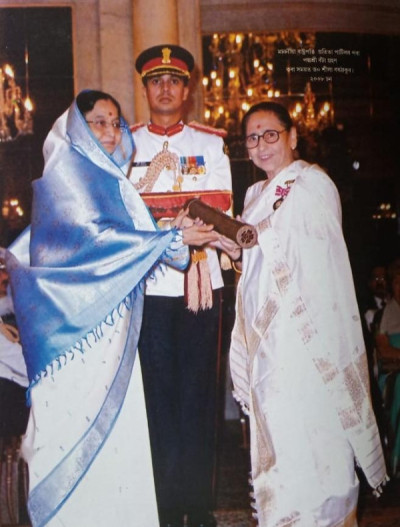
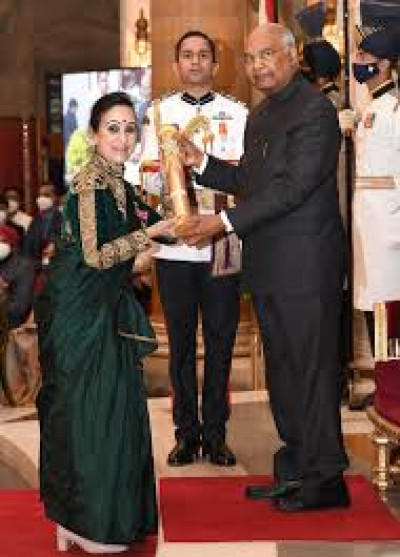
The success of Agnisnaan opened the doors to meaningful cinema for Moloya Goswami. However, it was her role in the 1992 film Firingoti, directed by the renowned Jahnu Barua, that transformed her into a national icon. In the film, she portrayed a woman who overcomes personal tragedy and dedicates her life to educating children in a rural village. The character required immense emotional depth, strength, and realism, all of which Moloya delivered with extraordinary finesse. Her performance in Firingoti earned her the prestigious National Film Award for Best Actress at the 39th National Film Awards, making her one of the most celebrated actresses in Assamese cinema history.
The success of Firingoti was not only a personal achievement but also a milestone for Assamese cinema on the national stage. Moloya Goswamis performance brought widespread recognition to regional films and highlighted the power of meaningful storytelling rooted in social realities. Her work became an example of how cinema can inspire change, awareness, and emotional connection beyond entertainment.
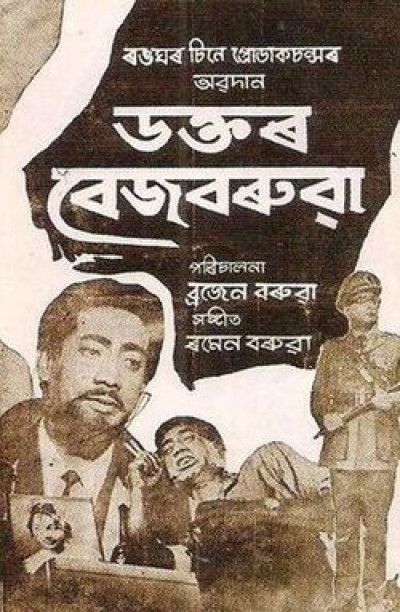
Following this landmark achievement, Moloya Goswami continued to deliver strong performances in films such as Uttarkaal, Maa, Siraj, Sesh Upahar, Konikar Ramdhenu, Daman: A Victim of Marital Violence, Hold My Hand, Jeevan Baator Logori, Srimanta Sankardeva, Poley Poley Urey Mon, Bhal Pabo Najanilu, and Calendar. Each role reflected her versatility, whether portraying a teacher, mother, reformer, social worker, or emotionally complex woman navigating lifes challenges. Her characters often represented strength, dignity, and compassion, making her relatable to audiences across generations.
Beyond films, Moloya Goswami made remarkable contributions to Assamese television. She appeared in several popular serials, including Writu Ahe Writu Jai, where her performance earned her critical acclaim and awards. Her television work allowed her to connect with household audiences and strengthened her position as one of the most respected faces in Assamese entertainment. Even today, her performances in serials are remembered for their authenticity and emotional resonance.
Moloya Goswamis artistic journey extends far beyond cinema and television. She has been deeply involved in theatre throughout her life, performing in numerous stage productions and working closely with renowned directors and dramatists of Assam. Theatre, for her, has always been a powerful medium of expression and social dialogue. Her stage performances are known for their depth, clarity of emotion, and intellectual maturity, qualities that continue to influence young theatre artists across the state.
In addition to acting, Moloya Goswami has lent her distinctive voice to radio plays and literary programs, earning admiration for her clear diction, expressive modulation, and emotional delivery. She has also participated in poetry recitation programs, reciting works of prominent Assamese poets and contributing to the preservation and promotion of Assamese literature. These contributions highlight her multifaceted personality as an artist, educator, and cultural advocate.
Despite achieving immense success in cinema, Moloya Goswami remained committed to her academic career and continued teaching for many years. As a lecturer in education, she inspired countless students, combining intellectual discipline with artistic sensitivity. Her dual role as an educator and artist gave her a unique perspective on society, human values, and emotional storytelling, which reflected in her performances on screen and stage.
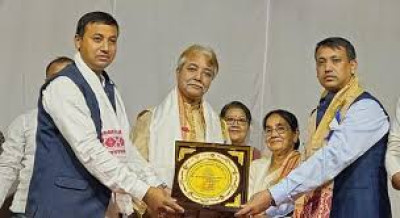
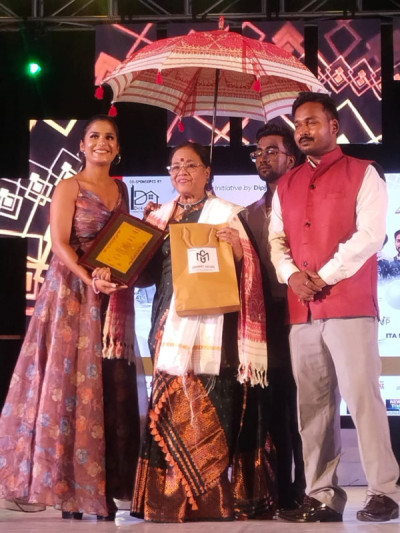
Moloya Goswamis achievements include the National Film Award for Best Actress, the Joymoti Award, and Best TV Actress honors for her work in Assamese television. These awards stand as testimony to her dedication, talent, and influence in shaping the identity of Assamese cinema. However, beyond trophies and recognition, her true legacy lies in the meaningful characters she portrayed and the cultural impact she created through decades of consistent, high-quality work.
What makes Moloya Goswami truly special is her ability to portray women with dignity, strength, vulnerability, and resilience. Her characters are not ornamental or superficial but deeply rooted in social realities, emotional complexity, and moral courage. Whether playing a rural schoolteacher, a struggling mother, or a woman navigating personal trauma, she brought honesty and depth to every role, making her performances timeless and universally relatable.
Even today, Moloya Goswami remains an iconic figure in Assamese culture. Her journey continues to inspire aspiring actors, educators, writers, and artists who wish to make meaningful contributions to society through creativity. She stands as a powerful symbol of how talent, discipline, education, and passion can coexist harmoniously, creating a life that impacts both art and society.
In the evolving landscape of Indian regional cinema, Moloya Goswami represents the golden era of Assamese storytelling, where cinema was not merely entertainment but a medium of reflection, reform, and emotional connection. Her performances remain relevant across generations, reminding audiences of the beauty of simplicity, authenticity, and human values. As Assamese cinema continues to grow and gain national and international recognition, Moloya Goswamis contributions will always remain foundational to its identity and artistic legacy.
Through her work in films, television, theatre, radio, and education, Moloya Goswami has carved a timeless space in the cultural history of Assam. Her story is not just about fame or awards but about dedication to meaningful art, lifelong learning, and societal contribution. She continues to be remembered as one of the finest actresses from Assam and one of the most respected cultural icons of Northeast India.
Moloya Goswami has appeared in several critically acclaimed Assamese and Indian films across decades. Her performances are known for emotional depth, realism, and strong social themes.
Notable Films
-
Calendar (2017)
-
Bhal Pabo Najanilu (2013)
-
Poley Poley Urey Mon (2011)
-
Srimanta Sankardeva (2010)
-
Jeevan Baator Logori (2009)
-
Hold My Hand (2008)
-
Konikar Ramdhenu (Ride on the Rainbow) (2003)
-
Sesh Upahar (2001)
-
Daman: A Victim of Marital Violence (2001)
-
I Killed Him, Sir (1995)
-
Firingoti (1992)
-
Uttarkaal (1990)
-
Siraj (1988)
-
Maa (1986)
-
Agnisnaan (1985)
-
Sarbajan (1985)
FAQs about Moloya Goswami
1. Who is Moloya Goswami?
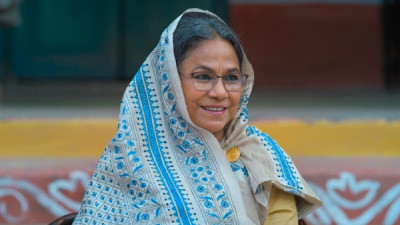
Moloya Goswami is a renowned Assamese actress, educator, and cultural icon best known for her National Award-winning performance in the film Firingoti.
2. Why is Moloya Goswami famous?
She is famous for her powerful roles in Assamese cinema and for winning the National Film Award for Best Actress in 1992.
3. Which movie earned Moloya Goswami a National Award?
Her performance in the Assamese film Firingoti earned her the National Film Award for Best Actress.
4. Where was Moloya Goswami born?
Moloya Goswami was born in Dibrugarh, Assam, India.
5. Is Moloya Goswami married?
Yes, she is married to Pradip Goswami and has two daughters.
6. Is Moloya Goswami related to actress Nishita Goswami?
Yes, Nishita Goswami is her daughter and is also a popular Assamese actress.
7. What are Moloya Goswamis most popular films?
Some of her most famous films include Firingoti, Agnisnaan, Uttarkaal, Konikar Ramdhenu, and Calendar.
8. Did Moloya Goswami work in television?
Yes, she acted in popular Assamese TV serials including Writu Ahe Writu Jai.
9. Was Moloya Goswami also a teacher?
Yes, she worked as a lecturer at Jagiroad College while continuing her acting career.
10. Why is Moloya Goswami important to Assamese cinema?
She helped bring national recognition to Assamese cinema through meaningful performances and socially impactful films.