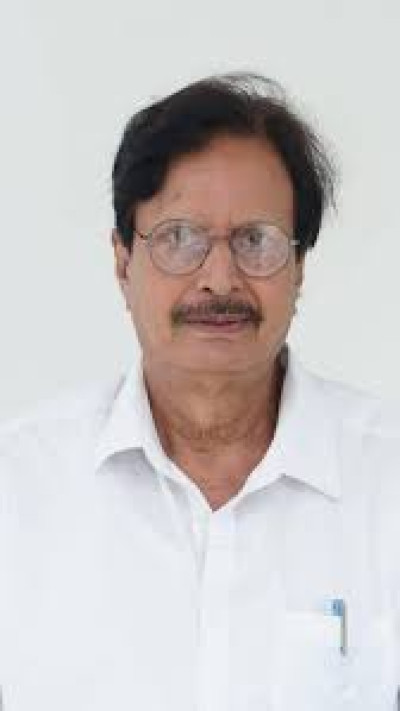
Life & Legacy
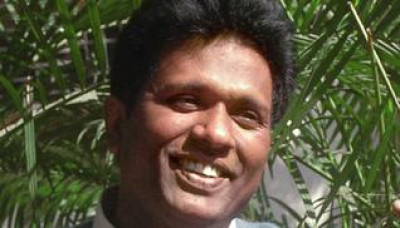
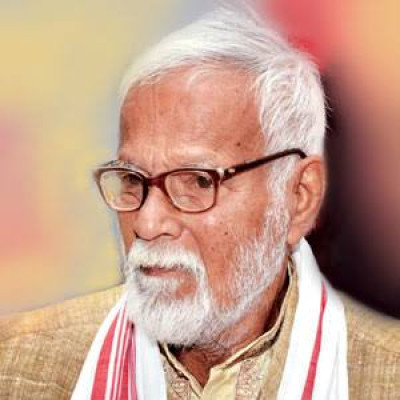
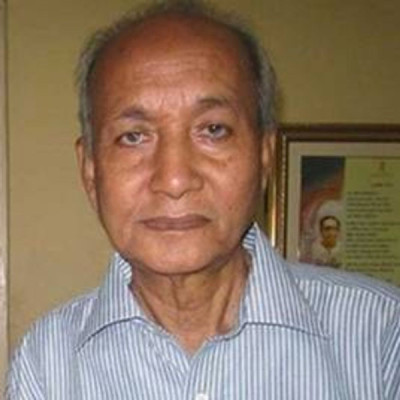
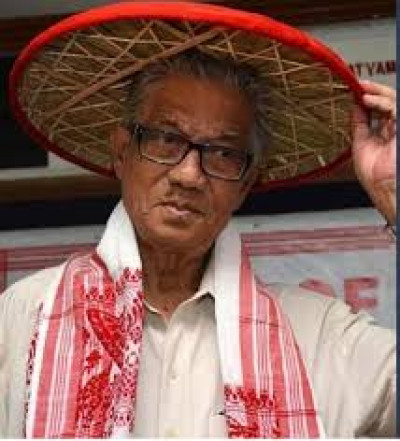
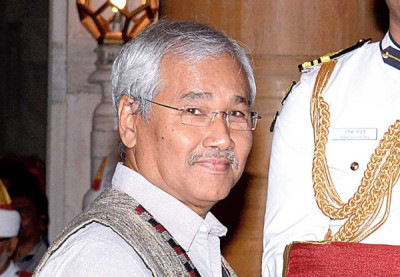
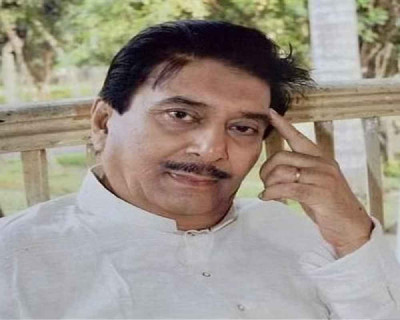
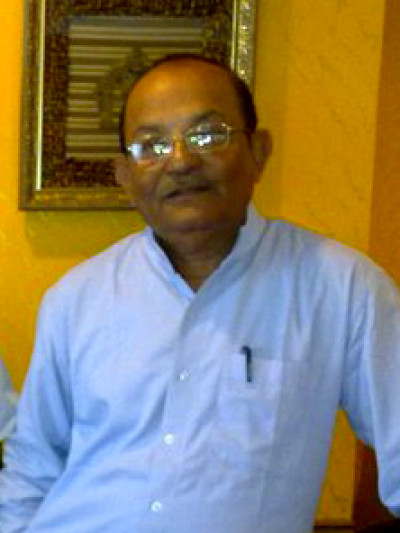
Born on 28 May 1952 in Tezpur, Assam, Arun Nath grew up in an environment that nurtured creativity, discipline, and academic curiosity. From childhood, he displayed a keen interest in acting and performance. While pursuing formal education, he actively participated in school and college theatre programs, gradually developing his stage presence and confidence. In 1973, he completed his Bachelor of Science degree, balancing academic commitment with artistic ambition, a combination that later defined his disciplined approach to professional acting.
Arun Nath began his artistic career on the stage, performing in local theatre productions and cultural programs across Assam. These early experiences shaped his understanding of character development, dialogue delivery, emotional nuance, and audience engagement. Theatre became the foundation of his acting craft, helping him master realism and natural expression. His consistent stage performances eventually attracted the attention of filmmakers, opening the door to Assamese cinema during a period when regional films were striving to establish their identity on the national cultural map.
His entry into cinema came in the early 1970s, marking the beginning of a prolific film career. Arun Nath made his screen debut in Sonetara (1973), a film that introduced him as a promising young actor with a natural screen presence and expressive range. His performance earned positive attention and encouraged directors to cast him in diverse roles, from romantic leads to socially conscious characters and complex emotional figures. Unlike many actors who became limited to a specific image, Arun Nath steadily expanded his repertoire, embracing variety and narrative depth.
Throughout the late 1970s and 1980s, Arun Nath emerged as a prominent face in Assamese cinema. Films such as Duronir Rong, Sarbajan, Agnisnan, Kolahal, and Sarathi showcased his ability to balance emotional realism with cinematic storytelling. His roles often reflected the changing social fabric of Assam, portraying characters dealing with love, loss, ambition, ethical dilemmas, and cultural identity. His performances resonated strongly with audiences because of their authenticity and emotional sincerity.
One of the defining features of Arun Nath's career is his commitment to meaningful cinema. Rather than pursuing purely commercial success, he consistently chose films that addressed social themes, family relationships, cultural heritage, and psychological depth. His performance in Agnisnan (1985), for instance, demonstrated his capacity to portray inner conflict and moral struggle with sensitivity and restraint. Similarly, his role in Kolahal (1989) reflected social tensions and generational change, further establishing him as a serious actor capable of carrying complex narratives.
As Assamese cinema evolved through the 1990s and early 2000s, Arun Nath remained a consistent presence, adapting seamlessly to new storytelling styles and audience expectations. Films such as Mimangsa, Sagar Loi Bohu Dur, Daag, Iman Morom Kiyo Lage, Kanyadan, Bidhata, Dinbandhu, and Jeevan Bator Logori expanded his filmography and demonstrated his ability to portray characters across age groups, professions, and emotional landscapes. His performances during this phase reflected maturity, depth, and a refined understanding of human psychology.
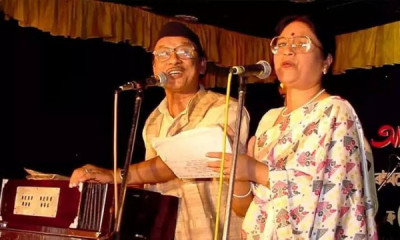
Beyond cinema, Arun Nath remained deeply engaged with theatre throughout his career. He continued performing in stage productions and mobile theatre shows, reaching audiences in towns and rural regions across Assam. Mobile theatre remains one of Assam's most powerful cultural traditions, and Arun Nath's involvement strengthened his bond with grassroots audiences while preserving theatrical storytelling traditions. His work in theatre helped bridge the gap between cinematic performance and live stage expression, enriching both mediums through cross-disciplinary experience.
Arun Nath also made significant contributions to television, appearing in telefilms and Doordarshan serials that brought Assamese storytelling into households across the state. His television performances were widely appreciated for their realism and relatability, making him a familiar face for viewers beyond cinema halls. Through television, he connected with audiences across generations, reinforcing his reputation as a versatile and dependable performer.
In the 2010s, Arun Nath experienced a renewed phase of recognition through critically acclaimed films such as Othello, Antarin, Tumi Ahibane, Nizanor Gaan, Calendar, Seema - The Untold Story, Made in Nalbari, and Shri Raghupati. His performance in Othello was particularly significant, as the film won the National Film Award for Best Assamese Film, reaffirming the relevance of regional cinema on the national stage. Arun Nath's portrayal in the film reflected emotional complexity, restraint, and psychological realism, earning praise from critics and audiences alike.
His continued presence in contemporary Assamese cinema reflects not only his adaptability but also his unwavering dedication to storytelling. He seamlessly transitioned into roles portraying fathers, mentors, social leaders, and emotionally layered senior characters, adding depth and gravitas to modern narratives. His performances in recent films demonstrate that age has only strengthened his artistic maturity, allowing him to bring lived experience, emotional intelligence, and authenticity to every role.
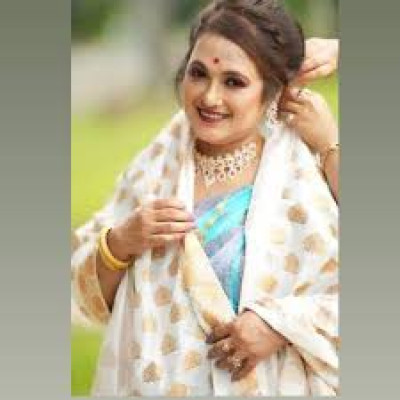
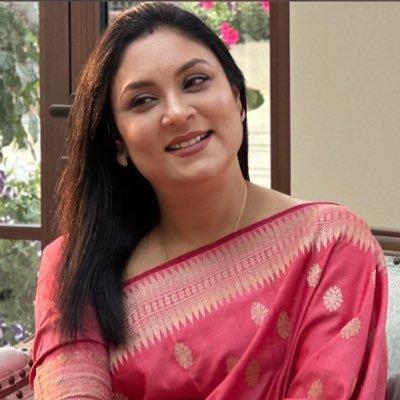
Arun Nath is married to Krishna Das Nath, a well-known Assamese actress and classical dancer. Together, they represent a respected artistic family within the Assamese cultural community. Their shared commitment to art, performance, and cultural preservation has contributed meaningfully to the growth of Assamese theatre and cinema. Arun Nath's personal life reflects the same discipline, humility, and integrity that define his professional journey.
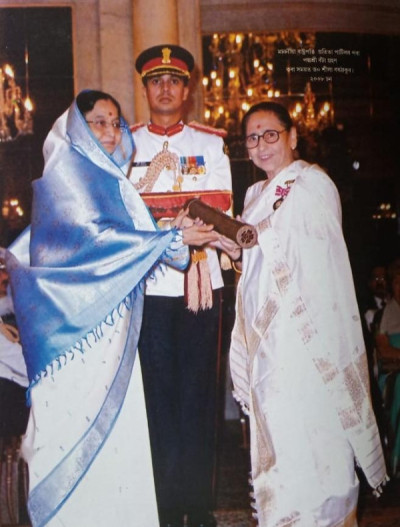
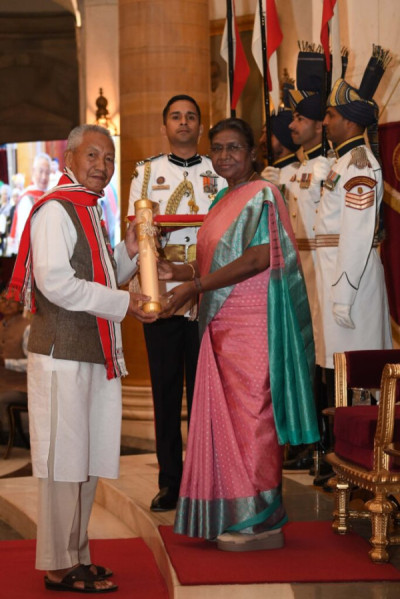
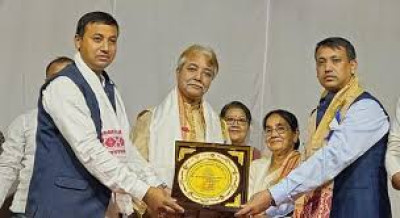
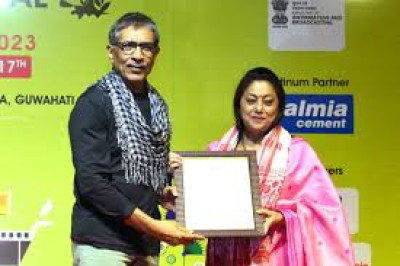
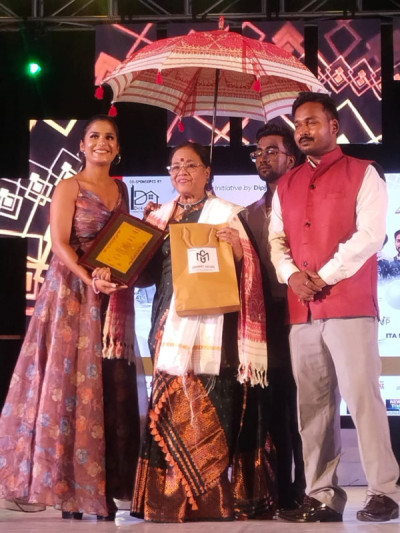
In recognition of his immense contribution to Assamese performing arts, Arun Nath was honored with the prestigious Kalaguru Bishnuprasad Rabha Award. This award stands as one of Assam's highest cultural recognitions, acknowledging individuals who have made outstanding contributions to literature, music, theatre, and cinema. The honor reflects not only his acting achievements but also his role in sustaining Assamese cultural heritage through decades of dedicated work.
What distinguishes Arun Nath as an artist is his emotional honesty and naturalistic acting style. Rather than relying on exaggerated expressions or melodrama, he brings quiet intensity, subtle gestures, and psychological realism to his characters. His performances often feel intimate and grounded, enabling audiences to connect deeply with the emotions and dilemmas portrayed on screen. Whether playing a romantic lead, a conflicted husband, a compassionate father, or a morally complex individual, he consistently delivers performances marked by sincerity and restraint.
Arun Nath's career also mirrors the broader evolution of Assamese cinema itself. From the early days of modest budgets and limited infrastructure to the modern era of digital filmmaking and national recognition, he has witnessed and contributed to every phase of the industry's growth. His sustained presence across decades reflects both personal resilience and artistic relevance, making him one of the most enduring faces of Assamese cinema.
Despite his achievements, Arun Nath has remained known for humility, professionalism, and dedication to craft. He continues to engage with emerging filmmakers and theatre practitioners, encouraging meaningful storytelling rooted in Assamese culture and social realities. His work serves as a bridge between generations of artists, linking the pioneering era of Assamese cinema with its contemporary renaissance.
Today, Arun Nath is widely regarded as a cultural icon of Assam and one of the most respected actors in the regional film industry. His extensive body of work, artistic integrity, and lifelong commitment to theatre and cinema make him a role model for aspiring performers across Northeast India. His performances continue to resonate with audiences, reminding viewers of the power of authenticity, emotional truth, and culturally grounded storytelling.
As Assamese cinema gains increasing national and international recognition, Arun Nath's contributions stand as a testament to the strength of regional narratives and the enduring value of meaningful performance. His legacy is not defined solely by awards or film counts, but by the emotional connection he has built with audiences through decades of sincere and impactful storytelling. Arun Nath remains, without doubt, one of the finest and most influential actors in the history of Assamese cinema.
Assamese Films
| Movie Name | Year |
|---|---|
| Sonetara | 1973 |
| Duronir Rong | 1979 |
| Sarbajan | 1985 |
| Agnisnan | 1985 |
| Kolahal | 1989 |
| Sarathi | 1991 |
| Agnigarh | 1994 |
| Mimangsa | 1994 |
| Sagar Loi Bohu Dur | 1995 |
| Daag | 2001 |
| Iman Morom Kiyo Lage | 2002 |
| Kanyadan | 2002 |
| Bidhata | 2003 |
| Dinbandhu | 2004 |
| Jeevan Bator Logori | 2009 |
| Othello | 2014 |
| Antarin | 2017 |
| Tumi Ahibane | 2017 |
| Nizanor Gaan | 2017 |
| Calendar | 2018 |
| Seema - The Untold Story | 2019 |
| Made in Nalbari | 2022 |
| Shri Raghupati | 2023 |
Awards and Honours
-
Kalaguru Bishnuprasad Rabha Award for Lifetime Contribution to Assamese Performing Arts
-
Multiple cultural honors from Assamese theatre and film institutions
-
Recognition for performances in award-winning Assamese cinema productions