Life & Legacy
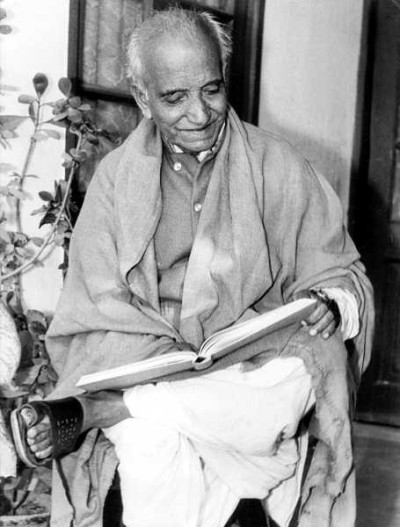
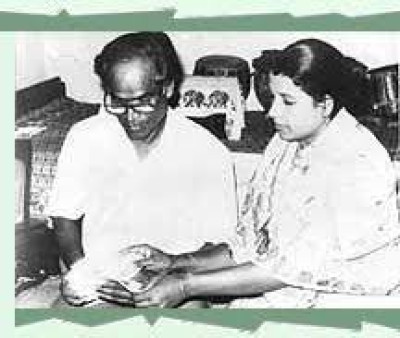
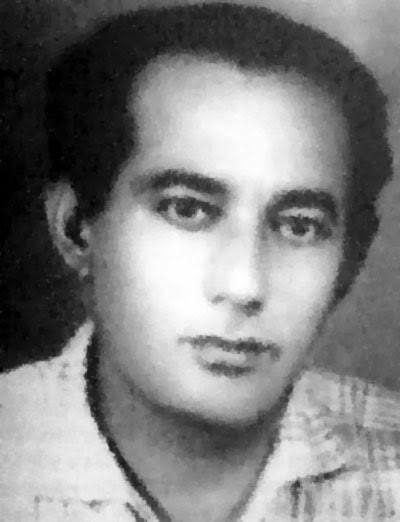
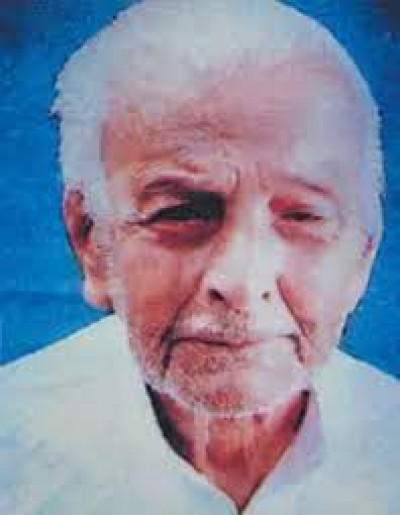
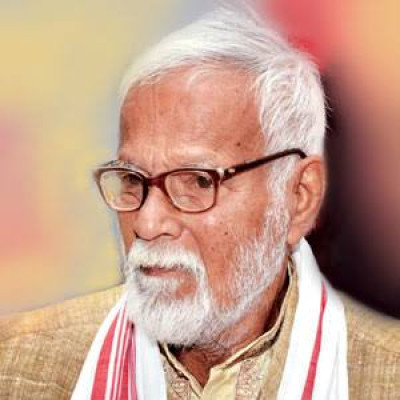
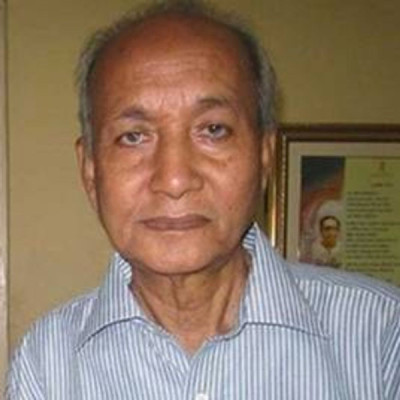
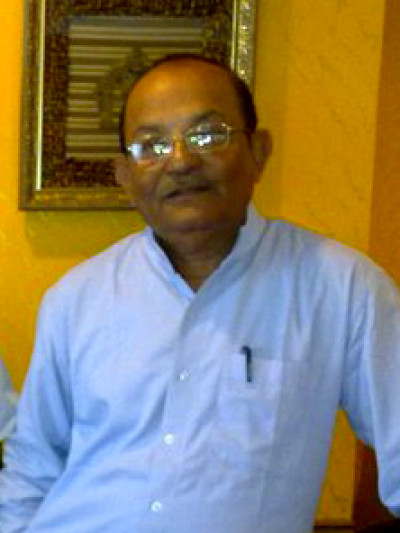
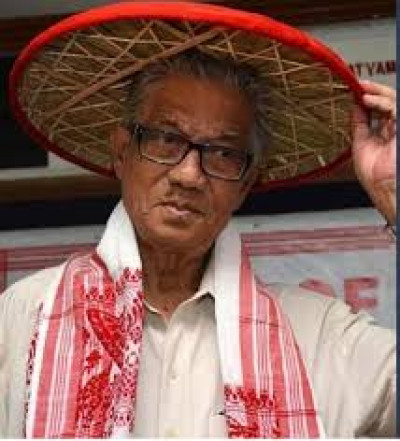
Born on 16 November 1931 in Jorhat, Assam, Abdul Majid grew up in a family that valued education, discipline, and artistic expression. His father Abdul Monaf and mother Nur Bibi encouraged learning and moral values from an early age. He completed his early education at Jorhat Moktab School and later studied at Bezbarua High School and Government High School in Jorhat, where he passed his matriculation examination in 1950. He later joined Jagannath Barooah College for higher studies, but his growing passion for theatre and performance eventually led him to pursue creative work alongside professional responsibilities.
Before entering the world of cinema, Abdul Majid worked in various government departments and later joined the Assam State Electricity Board in 1955. His dedication and efficiency earned him the position of Special Officer, Cultural and Documentation in 1981, a role that allowed him to actively promote cultural programs and preserve Assamese artistic heritage. Even while maintaining a professional career, he remained deeply committed to theatre and storytelling, often rehearsing late into the night and performing in stage productions across Assam.
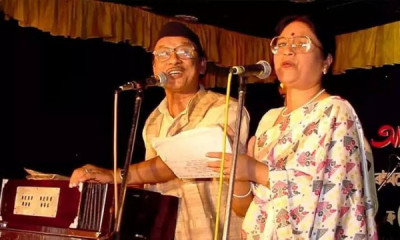
Abdul Majid's artistic journey began on the stage. As a student, he formed a small drama group and began participating in theatre competitions and cultural festivals. Over time, he became closely associated with Assamese mobile theatre and amateur theatre movements, performing in and directing more than two hundred plays. His theatrical works such as Banchit, Dhulimakoti, Chor, Sur, Xihat, Ahise, and Sure received critical acclaim for their strong narratives, social realism, and emotional depth. Theatre remained the foundation of his creative identity and shaped his disciplined approach to acting and direction in cinema.
He made his film acting debut in 1958 with Nip Barua's Ronga Police, where he portrayed a negative character with remarkable intensity and realism. His performance was widely appreciated and quickly established him as one of the most powerful character actors in Assamese cinema. During the early decades of regional filmmaking, when resources were limited and technical infrastructure was modest, Abdul Majid stood out for his professionalism, dedication, and emotional depth. He became known for portraying antagonists, morally complex figures, and socially driven characters with equal conviction.
Over the years, Abdul Majid acted in more than thirty Assamese films and several Hindi productions. Some of his most notable acting works include Puja, Suruj, Sendur, Upapath, Ei Desh Mor Desh, Bowari, Sankalpa, Mamataj, Bhai Bhai, Pratidan, Anthony Mor Nam, Pita-Putra, Juman Suman, and Opekha. Although he was initially cast in villainous roles due to the success of his early performances, he later earned praise for playing compassionate fathers, teachers, reformers, and morally upright characters. His ability to transition between intense antagonists and emotionally sensitive roles demonstrated his rare versatility as an actor.
Abdul Majid's transition from acting to film direction marked a defining chapter in his career. He made his directorial debut with Maram Trishna in 1968, a film that reflected his commitment to emotionally driven storytelling and realistic character development. While the film was modest in commercial success, it showcased his vision as a filmmaker and laid the groundwork for future achievements.
His second directorial venture, Chameli Memsaab (1975), brought him national recognition and cemented his legacy in Assamese cinema. Set in the tea gardens of Assam, the film narrates a poignant love story between a British tea planter and an Assamese tea estate worker, exploring themes of love, class divide, loneliness, and emotional isolation. The film was praised for its visual elegance, sensitive storytelling, and powerful performances. Chameli Memsaab won the National Film Award for Best Regional Film, marking a historic moment for Assamese cinema on the national stage. The music composed by Bhupen Hazarika for the film also received national recognition, further enhancing its cultural impact. Abdul Majid himself appeared in a small role as Manglu, adding emotional depth to the narrative.
Following this landmark success, Abdul Majid continued to direct films that reflected Assamese society, culture, and moral complexity. His directed works include Banahangsa (1977), Banjui (1978), Ponakon (1981), Uttarkaal (1990), and Saat Numberor Sandhanat (2016). Each of these films explored human relationships, ethical dilemmas, generational conflict, and social change through grounded storytelling and authentic performances. His films were known for simplicity, realism, and strong emotional engagement rather than spectacle or commercial formulas.
One of the most remarkable aspects of Abdul Majid's career was his longevity and creative vitality. He directed his final feature film Saat Numberor Sandhanat at the age of 84, making him one of the oldest active film directors in Indian cinema history. The film demonstrated his continued passion for storytelling and his ability to adapt to changing cinematic styles while remaining rooted in Assamese culture.
Beyond feature films, Abdul Majid also directed several television serials and documentaries that gained popularity for their social relevance and cultural authenticity. Some of his well-known television and documentary works include Namghariya, Ajaga, Jor Puri Hat, Dapon (Part 1 and Part 2), Agnigarbh, Hatora, Shegun Puli Rub Kone, Ram-Rahim, and Romonthon. These productions allowed him to reach wider audiences and contribute to the growth of Assamese television storytelling.
Abdul Majid's artistic style was defined by emotional honesty, naturalistic acting, and strong narrative structure. As a director, he believed in letting characters breathe through realistic dialogue, expressive silence, and culturally grounded storytelling. As an actor, he brought depth and authenticity to every role, using controlled intensity and expressive facial gestures to convey psychological complexity. His work often portrayed the struggles of ordinary people, reflecting social change, moral conflict, and human resilience.
Throughout his career, Abdul Majid remained deeply committed to the development of Assamese theatre and cinema. He actively mentored young actors, directors, and playwrights, encouraging them to pursue meaningful storytelling rooted in regional culture. Many prominent Assamese artists have acknowledged his influence and guidance in shaping their careers. His dedication to nurturing talent and promoting artistic excellence made him not only a performer but also a cultural institution in Assam.
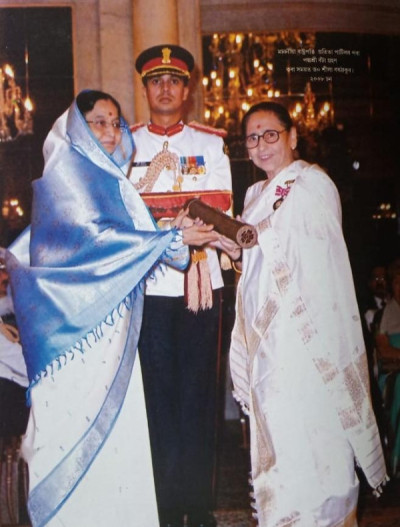
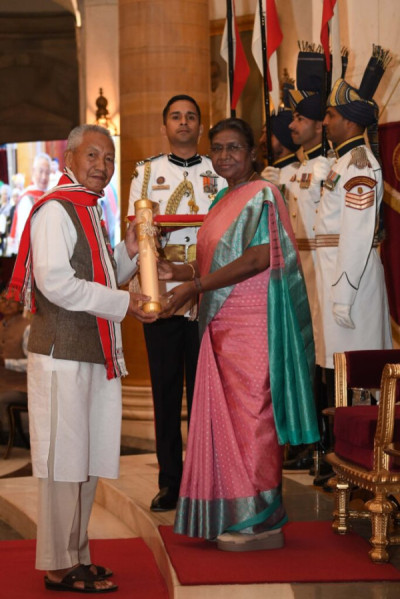
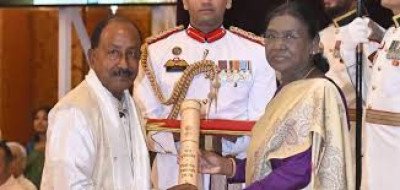
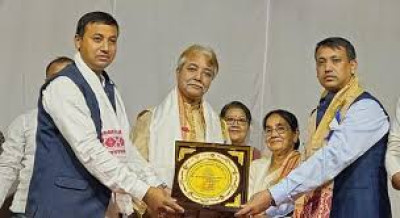
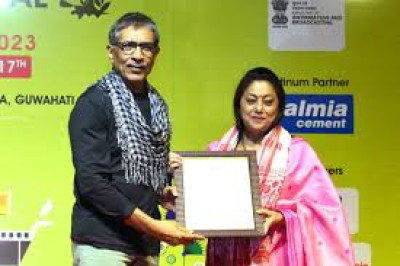
Abdul Majid received numerous awards and honors for his contributions to art and culture. He was honored with the Bishnu Prasad Rabha Award, one of Assam's highest cultural recognitions, for his outstanding service to theatre and cinema. He also received the Natasurya Award, Assam Sahitya Sabha Award for his acclaimed play Chor, and several lifetime achievement honors from cultural and cinematic organizations. These awards reflected the respect and admiration he earned across artistic communities.
Despite working in a regional film industry with limited financial resources and technical infrastructure, Abdul Majid consistently produced work of national relevance and artistic excellence. His success proved that powerful storytelling, emotional depth, and cultural authenticity could transcend budgetary constraints and regional boundaries. His career stands as a testament to perseverance, creativity, and unwavering dedication to meaningful art.
Abdul Majid passed away on 24 September 2017 in Guwahati at the age of 85 following a heart attack. His death marked the end of an era in Assamese cinema and theatre. He is survived by his wife Akuma Majid and their sons, who continue to preserve his memory and contributions to Assamese culture. Even after his passing, his films, plays, and performances remain relevant and continue to be studied, celebrated, and appreciated by audiences and scholars alike.
Today, Abdul Majid is remembered as a pioneer who brought realism, emotional depth, and cultural authenticity to Assamese cinema. His films continue to inspire new generations of filmmakers and theatre practitioners seeking to tell meaningful stories rooted in local experience. His legacy lives on not only through his award-winning works but also through the countless artists he mentored and the cultural consciousness he helped shape. Abdul Majid's life remains a powerful example of how dedication, discipline, and artistic integrity can create lasting impact in the world of regional cinema and theatre.
Directed Movies
| Movie Name | Year | Notes |
|---|---|---|
| Maram Trishna | 1968 | Directorial debut |
| Chameli Memsaab | 1975 | Won National Award for Best Regional Film |
| Banahangsa | 1977 | |
| Banjui | 1978 | |
| Ponakon | 1981 | |
| Uttarkaal | 1990 | |
| Saat Numberor Sandhanat | 2016 | Final film directed at age 84 |
Notable Acting Films
Ronga Police, Puja, Suruj, Sendur, Upapath, Ei Desh Mor Desh, Bowari, Sankalpa, Mamataj, Bhai Bhai, Pratidan, Anthony Mor Nam, Pita-Putra, Juman Suman, Opekha, and several others.
Awards and Honours
National Film Award for Best Regional Film (Director of Chameli Memsaab)
Bishnu Prasad Rabha Award
Natasurya Award
Assam Sahitya Sabha Award for the play Chor
Prag Cine Lifetime Achievement Award
Jyotirupa Media Award
FAQs about Abdul Majid
1. Who was Abdul Majid?
Abdul Majid was a legendary Assamese actor, director, playwright, and theatre personality best known for the National Award-winning film Chameli Memsaab.
2. Why is Abdul Majid famous in Assam?
He is famous for shaping Assamese cinema through meaningful films, theatre leadership, and powerful acting performances.
3. Which film won Abdul Majid a National Award?
His film Chameli Memsaab won the National Film Award for Best Regional Film.
4. Where was Abdul Majid born?
Abdul Majid was born in Jorhat, Assam, India.
5. How many films did Abdul Majid direct?
He directed a total of seven feature films in Assamese cinema.
6. What was Abdul Majid's first film as an actor?
His debut acting film was Ronga Police, released in 1958.
7. What was Abdul Majid's last film as a director?
His final directorial film was Saat Numberor Sandhanat released in 2016.
8. Did Abdul Majid work in theatre?
Yes, he directed over 100 plays and acted in more than 200 theatre productions.
9. What awards did Abdul Majid receive?
He received the Bishnu Prasad Rabha Award, Natasurya Award, Assam Sahitya Sabha Award, and several lifetime achievement honors.
10. When did Abdul Majid pass away?
Abdul Majid passed away on 24 September 2017 in Guwahati, Assam.