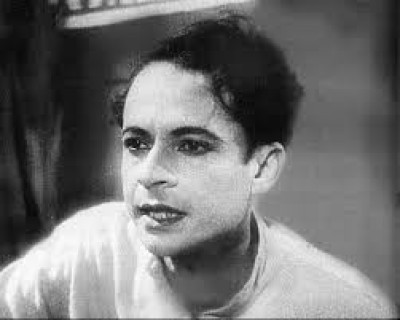
Life & Legacy
Early Life and Family
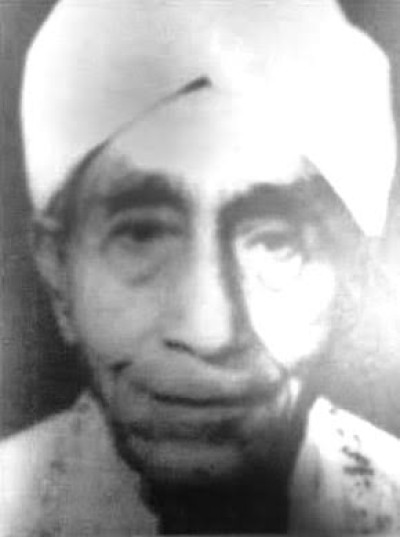
Pramathesh Chandra Barua was born on 24 October 1903 at Gauripur in Assam to Raja Prabhat Chandra Barua and Rani Saroj Bala Devi. He belonged to the royal Barua family, which was known for its patronage of education, culture, music, and literature. Although he was born into privilege, Barua developed a deep interest in theatre, acting, photography, and storytelling from an early age. His passion for creative arts eventually led him away from royal responsibilities and toward filmmaking.
Education
Pramathesh Barua completed his schooling at Hare School, Calcutta, before pursuing higher education at Presidency College, Calcutta, where he earned a Bachelor of Science degree. During his youth, he travelled to England, France, and Germany to study cinematography, lighting, filmmaking, and modern production techniques. The knowledge he gained abroad later helped revolutionize Indian cinema through technical innovations rarely seen in the country at that time.
Career and Rise in Indian Cinema
After returning to India, Pramathesh Barua briefly served in public life and was associated with the Assam Legislative Council. However, his true passion remained filmmaking. He established the Barua Film Unit and began producing silent films before joining the famous New Theatres studio in Calcutta.
His early films showcased his willingness to experiment with camera work, lighting, editing, and storytelling. He became one of the first Indian filmmakers to use artificial lighting effectively and introduced cinematic techniques such as flashbacks, close-up shots, montage sequences, fade-ins, and fade-outs. These innovations significantly improved the visual quality of Indian films.
The turning point in his career came with Devdas (1935), based on Sarat Chandra Chattopadhyay's famous novel. Barua directed the Bengali version and played the title role with remarkable emotional depth. The film became an instant classic and remains one of the most influential films in Indian cinema. He later directed the Hindi version, which further expanded his popularity across the country.
Throughout the 1930s and 1940s, Barua directed and acted in several acclaimed films including Rooplekha, Mukti, Grihadaha, Maya, Manzil, Adhikar, Rajat Jayanti, Zindagi, Shap Mukti, Jawab, Shesh Uttar, Rani, Pehchan, and many others. His films combined artistic excellence with meaningful social themes and realistic human emotions.
Major Achievements
Pramathesh Barua made several historic contributions to Indian cinema.
- Pioneer of realistic acting in Indian films.
- Introduced modern lighting techniques in Indian filmmaking.
- Popularized flashback storytelling and advanced film editing methods.
- Directed and starred in the legendary film Devdas (1935).
- Helped establish New Theatres as one of India's leading film studios.
- Inspired generations of filmmakers including Bimal Roy and many others.
- Played a significant role in modernizing Bengali and Hindi cinema.
- Brought international filmmaking techniques to Indian audiences.
Positions Held
- Film Director
- Actor
- Screenwriter
- Film Producer
- Cinematographer
- Founder of Barua Film Unit
- Member of the Assam Legislative Council
- Chief Whip of the Swaraj Party (Assam)
- Member of the British Cinematograph Society
- Organizer associated with the Indian Film Society
Awards and Recognition
Although formal film awards were limited during his lifetime, Pramathesh Barua received widespread recognition for his extraordinary contribution to Indian cinema.
- Recognized as one of the pioneers of Indian filmmaking.
- Celebrated for introducing modern cinematic techniques in India.
- Honoured posthumously by numerous cultural organizations.
- Remembered as one of Assam's greatest cultural icons.
- His films continue to be studied in cinema and film institutes across India.
Books Written
Pramathesh Barua did not publish any independent books. However, he wrote and developed stories and screenplays for several of his films, including:
- Devdas
- Mukti
- Adhikar
- Rajat Jayanti
- Maya
- Ekada
Personal Life
Pramathesh Barua married multiple times during his lifetime. His third wife, Jamuna Barua, became a well-known actress and appeared in several of his films. Despite belonging to a royal family, Barua devoted most of his life to cinema, artistic innovation, and storytelling.
Death
Pramathesh Barua passed away on 29 November 1951 at the age of 48. His death marked the end of an extraordinary chapter in Indian cinema. Even decades later, he continues to be remembered as a visionary filmmaker whose innovations transformed the film industry. His legacy remains an inspiration for filmmakers, actors, and cinema enthusiasts across India, especially in Assam.
FAQs about Pramathesh Barua