Life & Legacy
Early Life
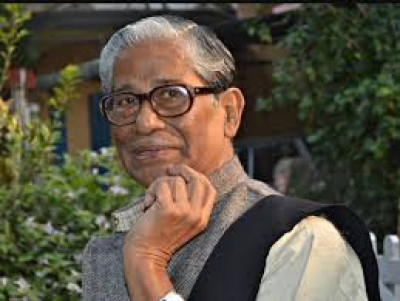
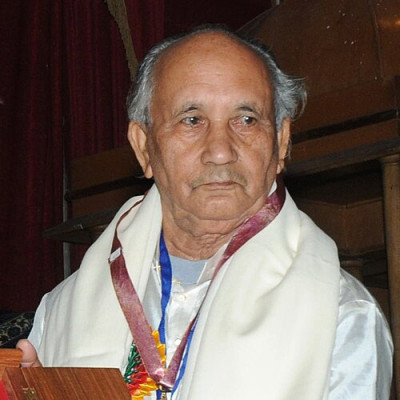
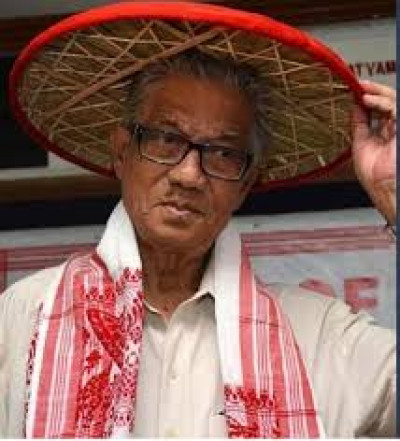
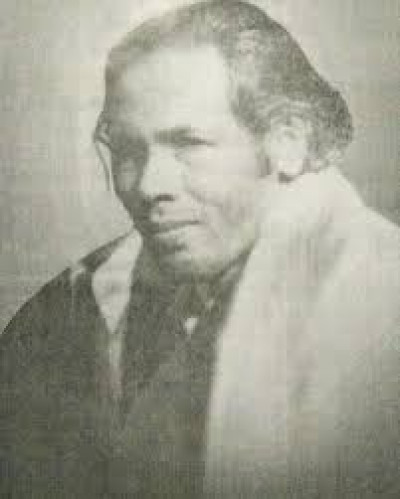
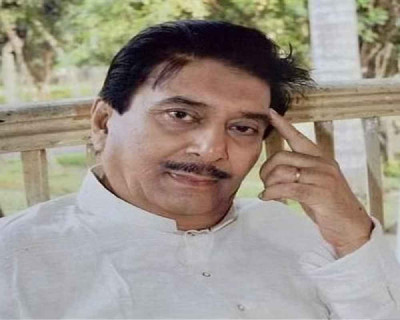
Rameshwar Pathak was born on 1 March 1938 in Bhella village of present-day Barpeta district, Assam. He grew up in a culturally rich rural environment where traditional music was an integral part of everyday life. From an early age, he developed a strong interest in folk music and regularly attended local musical gatherings and traditional baithakis. These experiences laid the foundation for his lifelong musical journey.
Education
After completing his matriculation in 1958, Rameshwar Pathak enrolled at Madhab Choudhury College, Barpeta, where he pursued higher education. During his college years, he received formal training in Borgeet under the guidance of renowned musician Pandit Dayal Chandra Sutradhar. His exceptional talent became evident in 1961 when he represented his college at the Inter-College Youth Festival in Guwahati and secured first position in Borgeet, modern songs, bhajans, and ghazals. Although he later received an opportunity to join the Assam Police as an Inspector, he chose to dedicate his life to music.
Professional Career
In December 1963, Rameshwar Pathak joined Arya Vidyapith Higher Secondary School in Guwahati as a teacher. His singing abilities soon attracted attention, and with encouragement from colleagues, he auditioned for All India Radio Guwahati. Initially performing modern Assamese songs, he was advised to concentrate on folk music, a decision that transformed his career.
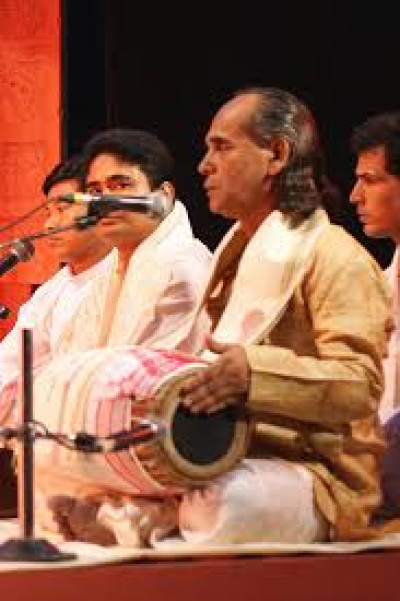
As a regular artiste of All India Radio, his Kamrupi Lokgeet reached thousands of listeners across Assam. He became a familiar and beloved voice, receiving invitations to perform throughout the state and across India. Over the next several decades, he worked tirelessly to preserve traditional Assamese folk music by collecting rare songs, composing new pieces, and presenting them in a style that appealed to both rural and urban audiences.
Partnership with Dhanada Pathak
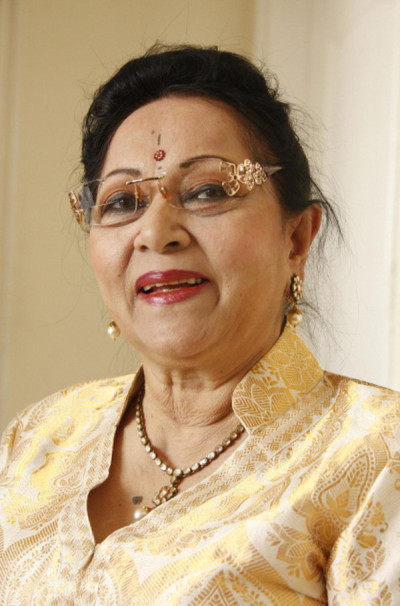
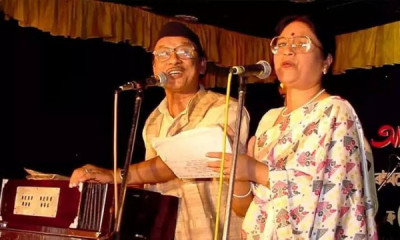
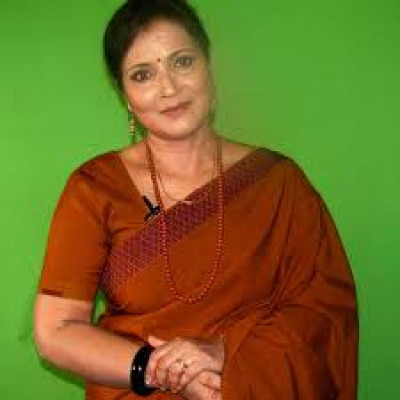
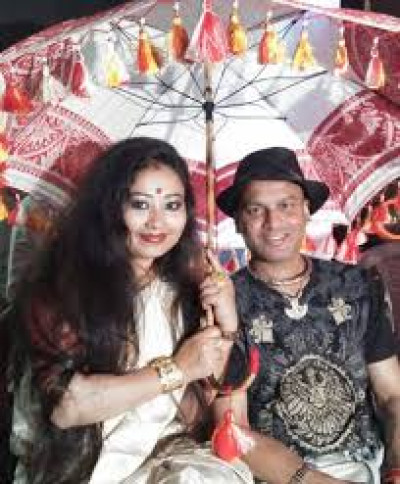
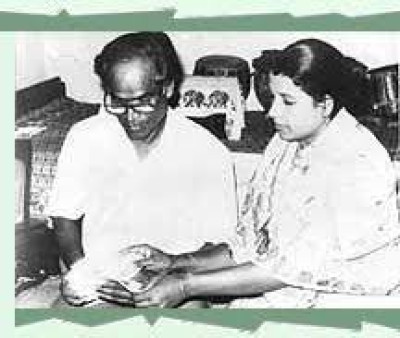
In 1974, Rameshwar Pathak married renowned folk singer Dhanada Pathak. Together, they became one of the most celebrated musical duos in Assamese folk music. Their innovative duet and chorus presentations brought a fresh dimension to Kamrupi Lokgeet. The couple recorded more than 150 audio cassettes and gramophone records, helping preserve numerous traditional songs that might otherwise have disappeared over time.
Film and Cultural Contributions
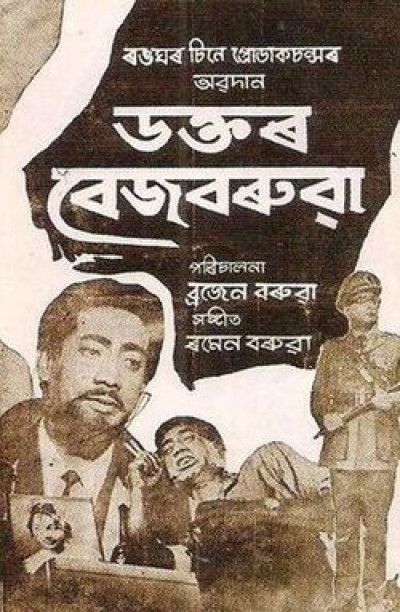
Apart from folk music, Rameshwar Pathak also lent his voice to several Assamese films including Aparajeya, Santan, Manas Kanya and Sewali. He also sang for the documentary Moi Amar Laksminath. His performances extended beyond Assam, with concerts held in Delhi, Mumbai, Kolkata, Bengaluru, Rajasthan, Odisha, Himachal Pradesh, Jammu and Kashmir, Uttar Pradesh, Maharashtra and many northeastern states. He also appeared regularly on Doordarshan and performed before four Presidents of India and three Prime Ministers, bringing recognition to Assamese folk culture at the national level.
List of Popular Songs
- Daley Pari Mayura
- Chintare Chataki Mon
- O Mur Monor Aina
- Aji Ki Anandore
- Kamrupi Lokgeet (Traditional Collection)
- Oi Aai Mur Apunar Desh (Stage Rendition)
- O Mur Gaanor Sur
- Aei Mur Axomor Lokgeet
- Moromor Kamrup
- Various traditional Kamrupi Lokgeet recorded with Dhanada Pathak
Assamese Films as Playback Singer
- Aparajeya
- Santan
- Manas Kanya
- Sewali
- Moi Amar Laksminath (Documentary)
Major Achievements
- Popularly known as the "Lokgeet Samrat" of Assam.
- Played a vital role in preserving and promoting Kamrupi Lokgeet.
- Regular artiste of All India Radio Guwahati from 1963.
- Recorded over 150 folk music albums and audio cassettes.
- Collected and preserved numerous rare Assamese folk songs.
- Introduced duet and chorus presentations in Kamrupi Lokgeet.
- Performed across India and represented Assamese folk music on prestigious national stages.
- Contributed playback singing to several Assamese films.
Awards and Recognition
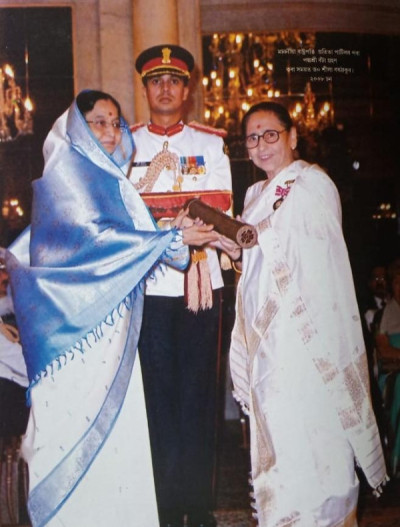
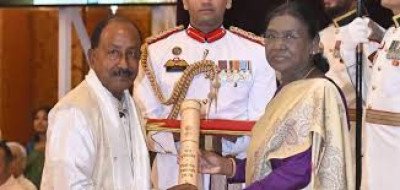
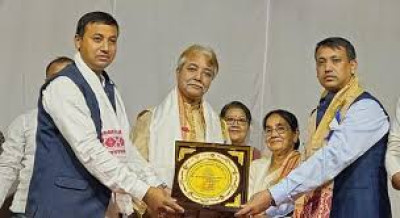
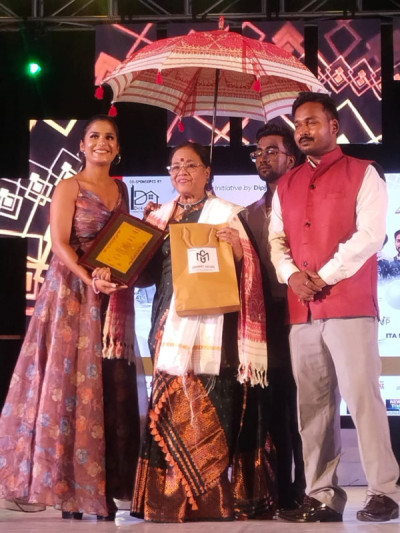
- Sangeet Natak Akademi Award (1990)
- Asom Silpi Bota (1990)
- Selected for the Government of Assam Artist Pension Scheme
- Widely honoured as "Lokgeet Samrat" for his outstanding contribution to Assamese folk music
Positions Held
- Teacher at Arya Vidyapith Higher Secondary School, Guwahati
- Regular Artiste, All India Radio Guwahati
- Folk singer, composer and cultural ambassador of Kamrupi Lokgeet
Death
Rameshwar Pathak passed away on 3 December 2010 at GNRC Hospital, Guwahati, following complications arising from pneumonia, sepsis and multiple organ failure. His death marked the end of an extraordinary musical career spanning nearly six decades. He is survived by his wife Dhanada Pathak, two sons and two daughters. His contribution continues to inspire generations of Assamese folk singers and cultural enthusiasts.
FAQs about Rameshwar Pathak
1. Who was Rameshwar Pathak?
Rameshwar Pathak was a legendary Assamese folk singer best known for popularising Kamrupi Lokgeet across Assam and India.
2. When was Rameshwar Pathak born?
He was born on 1 March 1938 in Bhella village of Barpeta district, Assam.
3. Why is Rameshwar Pathak famous?
He is famous for preserving Kamrupi Lokgeet, recording over 150 folk albums, and performing across India for nearly six decades.
4. Who was Rameshwar Pathak's wife?
His wife was renowned Assamese folk singer Dhanada Pathak.
5. Which award did Rameshwar Pathak receive?
He received the prestigious Sangeet Natak Akademi Award and the Asom Silpi Bota.
6. Did Rameshwar Pathak sing in Assamese films?
Yes. He sang in Assamese films including Aparajeya, Santan, Manas Kanya and Sewali.
7. What was Rameshwar Pathak's contribution to Assamese culture?
He collected rare folk songs, promoted Kamrupi Lokgeet and helped preserve Assam's traditional musical heritage.
8. Where did Rameshwar Pathak work as a teacher?
He served as a teacher at Arya Vidyapith Higher Secondary School in Guwahati.
9. When did Rameshwar Pathak pass away?
He passed away on 3 December 2010 in Guwahati.
10. Why is Rameshwar Pathak remembered today?
He is remembered as one of the greatest ambassadors of Assamese folk music whose recordings and performances continue to inspire new generations.