Life & Legacy
Early Life and Family
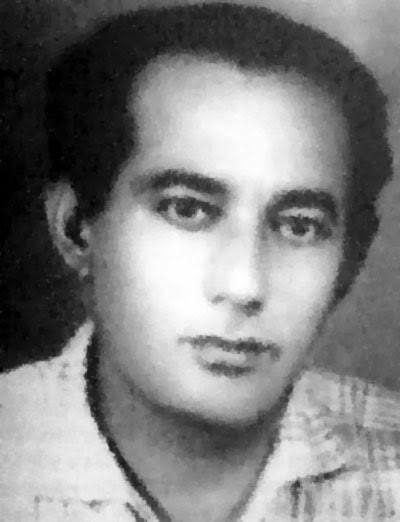
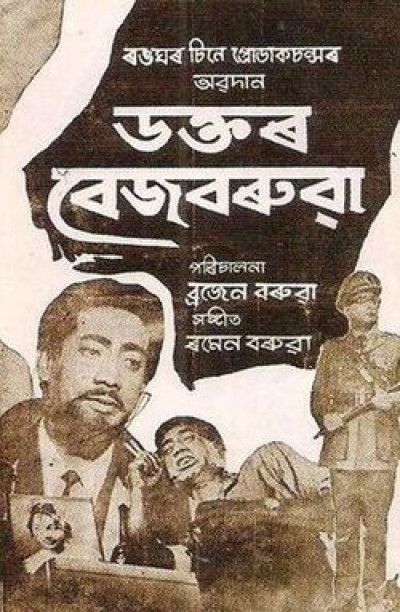
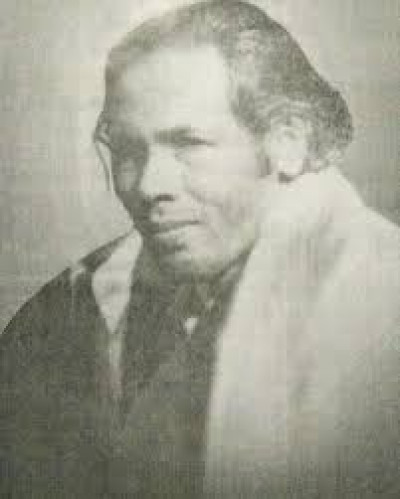
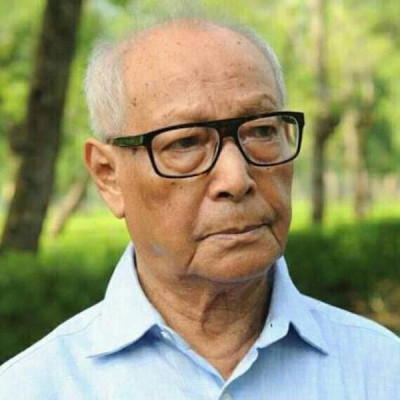
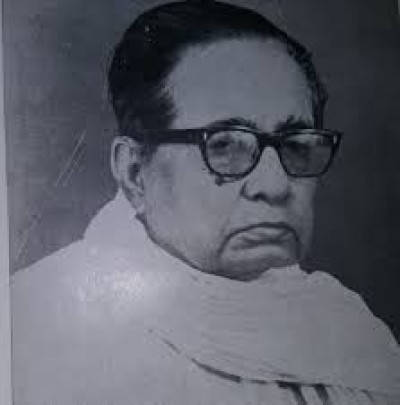
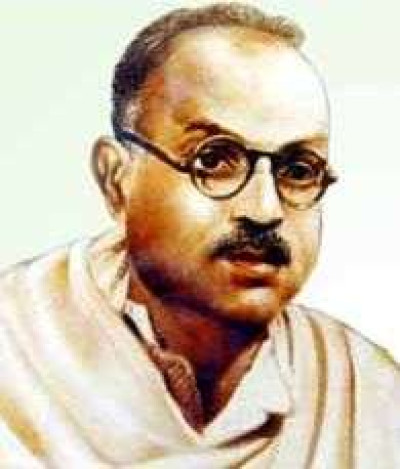
Nip Barua was born in Bihdia village in Kamrup district, Assam, into a family that later became closely associated with Assamese cinema and the arts. His father, Chandranath Baruah, served as a Sub-Divisional Officer in the Revenue Department, while his mother was Jonaprabha Baruah. Several of his brothers, including Brajen Barua and Ramen Barua, also became well-known figures in Assamese films and music, making the Barua family one of the most respected artistic families in Assam.
Education
Nip Barua received his early education at Cotton Collegiate High School in Guwahati. He later studied engineering and architecture for a brief period before joining Cotton College to pursue science. Although he did not complete his higher studies, his passion for creativity, theatre, painting, and cinema eventually became the driving force behind his career. His broad interests helped him develop a unique artistic vision that later shaped Assamese commercial cinema.
Sports and Artistic Interests
Before entering the film industry, Nip Barua earned recognition as an excellent football player. He represented Maharana Athletic Club as a centre forward and captained the Assam football team in the Santosh Trophy. Alongside sports, he displayed exceptional talent in painting, stage design, music, and cartooning. He worked as a cartoonist for The Assam Tribune, designed Assamese typefaces, and contributed artistic illustrations that became widely appreciated. His creative abilities extended beyond cinema and reflected his dedication to Assamese culture.
Entry into Assamese Cinema
Nip Barua entered the film industry through theatre. His successful stage play Smritir Parash inspired him to adapt the story into a feature film. Released in 1956, Smritir Parash became his directorial debut and marked the beginning of a new era in Assamese cinema. The film combined emotional storytelling, memorable music, and strong performances, proving that regional films could attract mainstream audiences.
Major Contributions to Assamese Cinema
Throughout his career, Nip Barua directed numerous successful Assamese films, including Smritir Parash, Mak Aru Morom, Ronga Police, Bhakta Prahlad, Amar Ghar, Norakasur, Baruar Sansar, Sonatora, Sonoma, Azali Nabou, Ai Mor Janame Janame, Kakadeuta Nati Aru Hathi, Shakuntala Aru Shankar Joseph Ali, and Anthony Mor Nam. He also directed Bengali films, expanding the reach of his work beyond Assam.
His films focused on family relationships, social values, humour, mythology, children's stories, and Assamese traditions. He believed cinema should entertain audiences while reflecting local culture and emotions. His practical understanding of audience preferences helped establish Assamese commercial cinema on a strong foundation.
Innovation and Filmmaking Style
Nip Barua constantly experimented with new ideas. Smritir Parash became one of the earliest Assamese films to feature Hindi songs and a complete Bihu dance sequence. He introduced several cinematic innovations, including the first club song in Assamese cinema and the use of English songs in regional films. He also promoted better production planning, realistic storytelling, and commercially viable filmmaking at a time when Assamese cinema faced financial challenges.
Apart from directing, he wrote stories and screenplays for several films and acted in productions such as Sonoma. His ability to manage multiple creative roles made him one of the most versatile personalities in Assamese cinema.
Awards and Recognition
Nip Barua earned national recognition through his films. Mak Aru Morom received the Certificate of Merit at the 5th National Film Awards, while Ronga Police won the President's Silver Medal at the 6th National Film Awards. These achievements brought national attention to Assamese cinema and demonstrated the quality of regional filmmaking. His contribution has also been acknowledged by numerous cultural organizations for strengthening Assamese film culture.
Positions Held
- Film Director
- Film Producer
- Screenwriter
- Story Writer
- Actor
- Cartoonist at The Assam Tribune
- Stage Designer
- Football Captain of the Assam Santosh Trophy Team
- Documentary Filmmaker
Death
Nip Barua passed away on 25 July 1991. His death marked the end of an extraordinary chapter in Assamese cinema, but his creative legacy continues to influence filmmakers and audiences. Today, he is remembered as one of the pioneers who successfully blended artistic excellence with commercial filmmaking and helped Assamese cinema gain lasting recognition across India.
FAQs about Nip Barua