Life & Legacy
Early Life
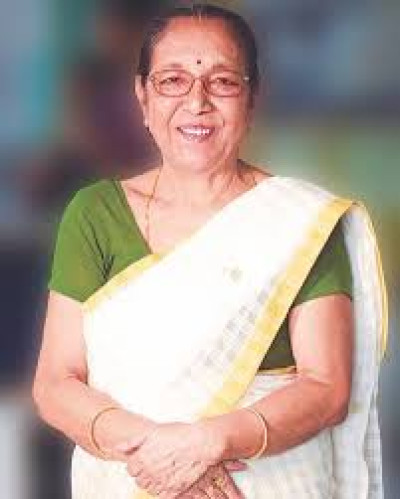
Birubala Rabha was born in 1954 in Thakurvilla village of Goalpara district, Assam, into a modest Rabha tribal family. Her childhood was marked by poverty and hardship after the early death of her father. Financial difficulties forced her to discontinue formal education at a young age, and she spent much of her childhood helping her family with household and agricultural work.
Despite limited educational opportunities, she developed a strong sense of responsibility, empathy, and determination. These qualities later shaped her remarkable journey as one of Assam's most influential social activists.
Education
Birubala Rabha received only primary-level formal education due to her family's economic condition. Although she could not continue her studies, she never allowed the lack of education to limit her vision. Through practical experience, social interaction, and continuous learning, she became a powerful public speaker and community leader who inspired thousands across Assam.
Personal Life and Turning Point
After marriage, Birubala Rabha lived a simple rural life with her family. A major turning point came when one of her sons fell seriously ill. Instead of seeking proper medical treatment, many people advised the family to believe in supernatural causes and traditional healers. As she witnessed the spread of fear, misinformation, and false beliefs, she realized the devastating consequences of blind superstition.
This experience completely changed her outlook and motivated her to dedicate her life to protecting innocent people from similar suffering.
Fight Against Witch Hunting
At a time when many women in rural Assam were falsely branded as witches and subjected to violence, social boycott, and even murder, Birubala Rabha decided to challenge these deeply rooted beliefs. She began visiting villages, speaking directly with local communities, organizing awareness meetings, and encouraging people to rely on science and medical treatment instead of superstition.
Her campaign was never easy. She frequently faced threats, insults, and opposition from people who supported traditional superstitious practices. However, she continued her work fearlessly, believing that every individual deserved dignity, justice, and equal rights.
Over the years, her efforts helped save numerous women from persecution and inspired many volunteers, teachers, students, and social organizations to join the movement against witch hunting.
Mission Birubala
To strengthen the movement, Birubala Rabha established Mission Birubala, a social organization dedicated to eliminating witch hunting and promoting awareness throughout Assam. The organisation focused on protecting victims, spreading scientific awareness, educating rural communities, and supporting legal action against those responsible for such crimes.
Mission Birubala also worked with volunteers, government agencies, educational institutions, and civil society groups to conduct awareness campaigns in schools, colleges, villages, and public gatherings. The initiative became one of the most recognised anti-superstition movements in Northeast India.
Contribution to Social Reform
Birubala Rabha's work extended beyond fighting witch hunting. She promoted women's empowerment, human rights, education, healthcare awareness, and gender equality. She consistently encouraged families to seek medical treatment instead of relying on unscientific practices and urged communities to reject discrimination based on fear and superstition.
Her grassroots activism played an important role in increasing public awareness about the dangers of witch hunting. Her continuous advocacy also contributed to stronger legal measures against the practice in Assam, encouraging authorities to take stricter action against offenders.
Major Achievements
- Dedicated more than two decades to eliminating witch hunting in Assam.
- Saved numerous innocent women from violence and social persecution.
- Founded Mission Birubala to spread awareness against superstition.
- Promoted scientific thinking and healthcare awareness in rural communities.
- Inspired thousands of volunteers and social workers across Assam.
- Helped strengthen public support for anti-witch hunting legislation.
- Became one of India's most respected grassroots social reformers.
- Brought national and international attention to the issue of witch hunting in Assam.
Awards and Recognition
Birubala Rabha received several honours for her outstanding contribution to society, including:
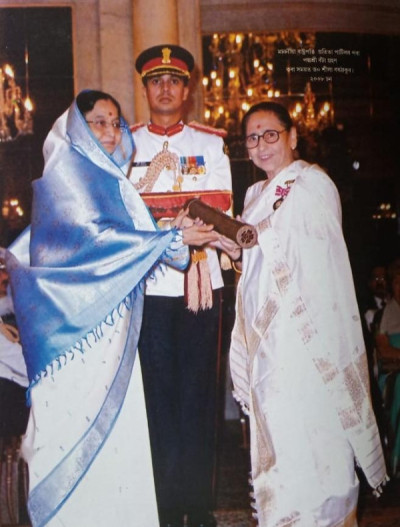
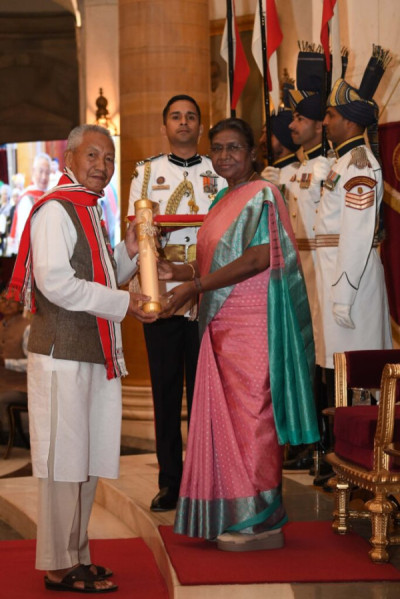
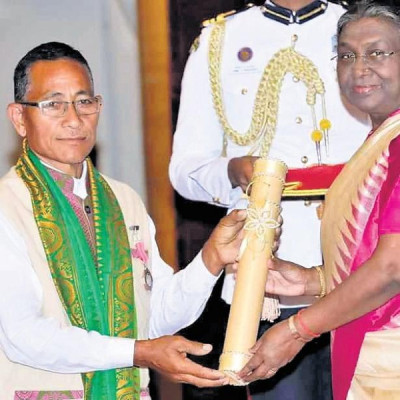
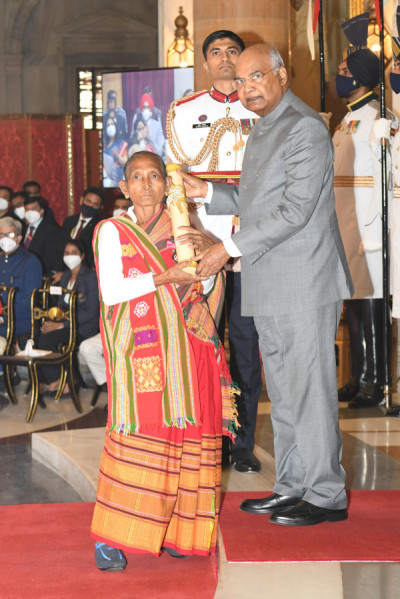
- Padma Shri (2021), India's fourth-highest civilian award for Social Work.
- Assam Gaurav Award for her contribution to social welfare.
- Sarbeswar Dutta Memorial Award.
- Upendra Nath Brahma Soldier of Humanity Award.
- Anandaram Dhekial Phukan Award.
- Recognition from several social organisations, educational institutions, and human rights groups.
- Nominated for the Nobel Peace Prize by North East Network for her remarkable work against witch hunting.
- Honoured with an honorary doctorate in recognition of her lifelong social service.
Death
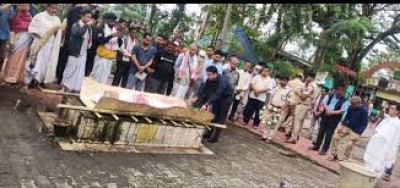
Birubala Rabha was diagnosed with oesophageal cancer during the later years of her life. After battling the illness with courage, she passed away on 13 May 2024 at the State Cancer Institute in Guwahati. Her death was deeply mourned across Assam and the rest of India. Political leaders, social organisations, activists, and citizens paid tribute to her lifelong service towards humanity and social justice.
Legacy
Birubala Rabha's legacy continues through Mission Birubala and the countless individuals inspired by her work. She proved that one determined person can challenge long-standing social evils through awareness, compassion, and courage. Today, she is remembered as a fearless advocate for women's rights, human dignity, and rational thinking.
Her life story continues to inspire students, researchers, social workers, and future generations to stand against injustice and work towards building a more educated, compassionate, and progressive society. Birubala Rabha will always be remembered as one of Assam's greatest social reformers and a true champion of humanity.
FAQs Birubala Rabha
1. Who was Birubala Rabha?
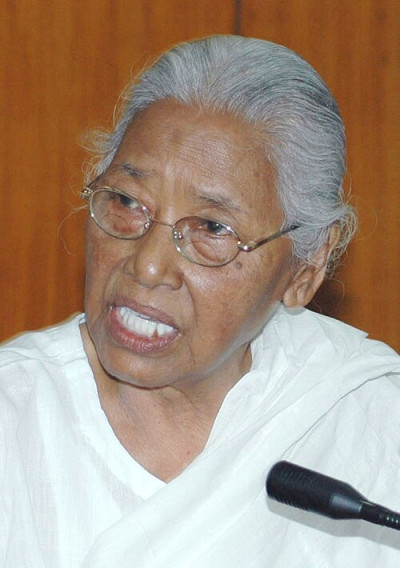
Birubala Rabha was a renowned social activist from Assam who dedicated her life to fighting witch hunting, superstitions, and promoting women's rights. She was honoured with the Padma Shri in 2021 for her outstanding contribution to social work.
2. Why is Birubala Rabha famous?
Birubala Rabha is famous for leading a grassroots movement against witch hunting in Assam. Through awareness campaigns and social activism, she helped save many innocent women and inspired legal reforms against the practice.
3. When and where was Birubala Rabha born?
Birubala Rabha was born in 1954 in Thakurvilla village of Goalpara district, Assam, India.
4. What is Mission Birubala?
Mission Birubala is a social organisation founded by Birubala Rabha to eliminate witch hunting, spread awareness against superstition, protect victims, and promote scientific thinking in society.
5. Which award did Birubala Rabha receive from the Government of India?
Birubala Rabha received the Padma Shri, India's fourth-highest civilian award, in 2021 for her exceptional contribution to social work.
6. What were the major contributions of Birubala Rabha?
Her major contributions include campaigning against witch hunting, rescuing victims, promoting women's rights, encouraging scientific awareness, establishing Mission Birubala, and inspiring stronger legal action against superstition-related crimes.
7. Did Birubala Rabha help stop witch hunting in Assam?
Yes. Although the practice has not been completely eliminated, Birubala Rabha played a significant role in reducing witch hunting through public awareness, rescue operations, and advocacy for stronger laws.
8. When did Birubala Rabha pass away?
Birubala Rabha passed away on 13 May 2024 after battling oesophageal cancer.
9. What is the legacy of Birubala Rabha?
Birubala Rabha's legacy lives on through Mission Birubala, her social reform initiatives, and the inspiration she provides to activists, students, and communities working for justice and equality.
10. Why is Birubala Rabha considered one of the greatest social reformers of Assam?
She is regarded as one of Assam's greatest social reformers because of her fearless campaign against witch hunting, her dedication to protecting vulnerable women, and her lifelong commitment to creating a more educated and humane society.