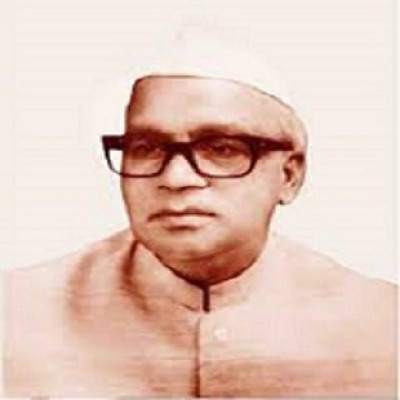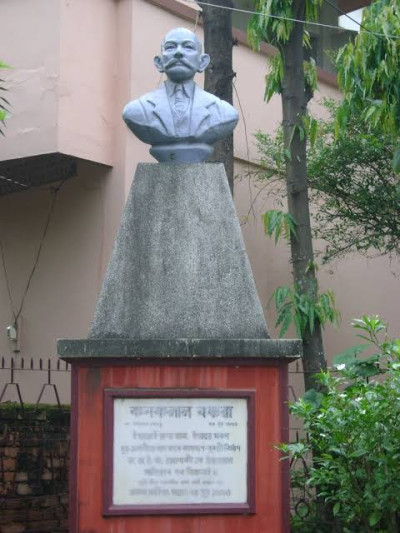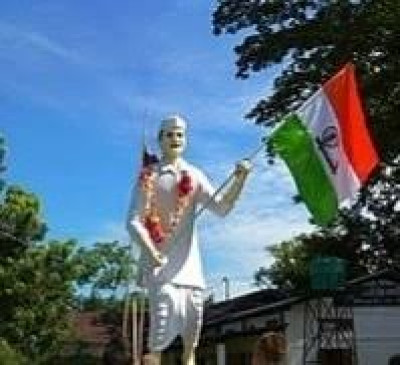
Life & Legacy
Early Life
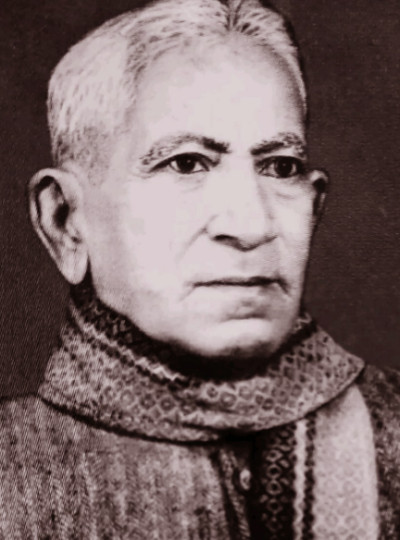
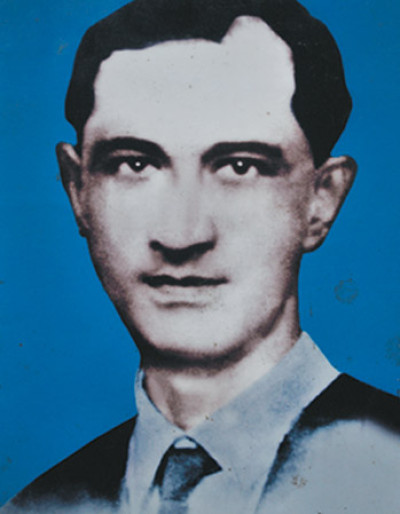
Rauta Ram Koch was born on 12 April 1914 in Bar Saderi village, now located in Bajali district of Assam. His father was Kehoram Koch, and his mother was Habe Bala Koch. He grew up in a simple rural environment where agriculture was the primary occupation. Like many people of his generation, he developed a strong sense of patriotism during India's freedom struggle.
Education
There are no officially documented records regarding the formal education of Rauta Ram Koch. Historical accounts mainly recognize him for his contribution to India's independence movement rather than his academic background.
Family
Rauta Ram Koch was married to Gathuri Priya Koch. The couple had one daughter. Following his martyrdom, his wife received the Government of India's Freedom Fighter Family Pension in recognition of his sacrifice. Later, his grandsons were provided government employment under the Swahid (Martyr) family category, reflecting the state's acknowledgment of his contribution.
Participation in the Indian Freedom Movement
When Mahatma Gandhi launched the Quit India Movement in August 1942, people across Assam actively joined protests, public meetings, processions, and acts of civil disobedience against British rule. Rauta Ram Koch became one of the dedicated participants in this historic movement.
On 25 September 1942, thousands of people gathered in several Raij Mels in Bajali to protest the killing of Assamese freedom fighters, including Bhogeswari Phukanani, Thogiram Sut, Baloram Sut, and Lakshminath Hazarika. The British administration attempted to suppress these peaceful demonstrations by arresting local leaders.
Soon after, villagers from Badankuchi, Saderi, Kalarguri, Bhogpur, Dakhala, Bamakhata and nearby areas united in protest. Under the leadership of Srikanta Basumatary, they confronted the British police near Rihabari village. During the confrontation, police officers opened fire on the unarmed protesters. Rauta Ram Koch was shot and died instantly while participating in the movement. His sacrifice became a symbol of courage and patriotism for the people of Assam.
Role in the Rehabari Incident
The Quit India Movement gained tremendous momentum across Assam after the martyrdom of Kanaklata Barua and Mukunda Kakati, who were killed during police firing at Gohpur in September 1942. Their sacrifice inspired people throughout the state to organize peaceful protests against British rule.
On 25 September 1942, the people of the Bajali region observed "Protest Day" by organizing four large public meetings at Jalah, Nityananda, Soukhuti, and Bamunkuchi. The objective of these gatherings was to condemn the brutal police action carried out by the British administration and to strengthen the call for India's independence. Local leaders, including Girish Chandra Choudhury, Bharat Chandra Goswami, and Narkanta Das, presided over these meetings, encouraging the public to remain united in the national movement.
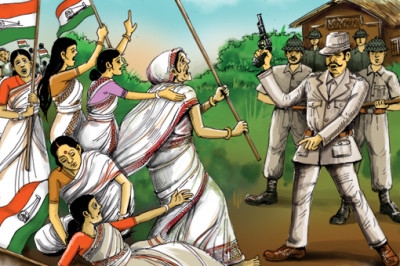
Before the meetings could proceed peacefully, the police from Patacharkuchi Police Station, led by Daroga Tularam Keot, arrived with armed police and military personnel. Several leaders, including Girish Chandra Choudhury, Rajani Kanta Sarma, and Bhadreswar Das, were arrested at the meeting venue. The arrests angered the assembled crowd, who protested against the unjust action of the colonial authorities.
As tensions increased, the British police opened indiscriminate fire on the unarmed demonstrators. The firing resulted in the martyrdom of Rauta Ram Koch, a young farmer from Saderi village, and Madan Barman, a Class VI student from Bhogpur. Many other participants suffered serious bullet injuries, while numerous innocent villagers were subjected to physical torture and harassment by the police during what later became known as the Rehabari Incident.
The Rehabari Incident became one of the defining moments of the freedom movement in western Assam. The courage and sacrifice of Rauta Ram Koch and Madan Barman inspired countless people across Bajali and the rest of Assam to continue the struggle for independence with greater determination. Today, the incident is remembered as an important chapter in Assam's contribution to India's freedom movement, symbolizing the bravery and patriotism of ordinary citizens who stood fearlessly against colonial oppression.
Achievements
- Remembered as an unsung freedom fighter of Assam.
- One of the martyrs of the Quit India Movement in Assam.
- Sacrificed his life while opposing British colonial rule.
- Inspired future generations through his bravery and patriotism.
- Honoured by the Government through Freedom Fighter Family Pension for his family.
- Recognized among the prominent martyrs of Bajali district.
Awards and Recognition
Rauta Ram Koch did not receive any award during his lifetime because he died while fighting for India's independence. However, he has been honoured in several ways:
- Recognized as a martyr of the Quit India Movement.
- Remembered in Assam's freedom movement history.
- His family received the Freedom Fighter Family Pension.
- His descendants received government support under the Swahid family category.
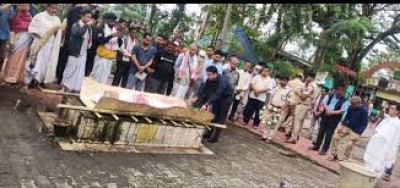
- Honoured during local commemorative events dedicated to Assam's freedom fighters.
Death
Rauta Ram Koch was martyred on 25 September 1942 at Rihabari village during the Quit India Movement after British police opened fire on peaceful protesters. He was only 29 years old at the time of his death. His sacrifice remains an important chapter in Assam's contribution to India's independence and continues to inspire people to value courage, patriotism, and selfless service to the nation.
FAQs about Rauta Ram Koch
1. Who was Rauta Ram Koch?
Rauta Ram Koch was an Indian freedom fighter from Assam who sacrificed his life during the Quit India Movement against British rule in 1942.
2. When was Rauta Ram Koch born?
Rauta Ram Koch was born on 12 April 1914 in Bar Saderi village, present-day Bajali district of Assam.
3. Why is Rauta Ram Koch famous?
He is remembered for his bravery and martyrdom during the Quit India Movement, making him one of Assam's respected freedom fighters.
4. How did Rauta Ram Koch die?
He was martyred on 25 September 1942 after British police opened fire on peaceful protesters during the Quit India Movement at Rihabari village.
5. What was the occupation of Rauta Ram Koch?
He was a farmer by profession before actively participating in India's freedom movement.
6. Who were the parents of Rauta Ram Koch?
His father was Kehoram Koch and his mother was Habe Bala Koch.
7. Who was the wife of Rauta Ram Koch?
Rauta Ram Koch was married to Gathuri Priya Koch.
8. Did Rauta Ram Koch receive any awards?
Although he did not receive awards during his lifetime, his sacrifice has been officially recognized, and his family received Freedom Fighter benefits from the government.
9. Did Rauta Ram Koch write any books?
No. There are no known books or literary works written by Rauta Ram Koch.
10. What is the legacy of Rauta Ram Koch?
Rauta Ram Koch is remembered as one of Assam's brave freedom fighters whose sacrifice during the Quit India Movement continues to inspire future generations