Life & Legacy
Early Life
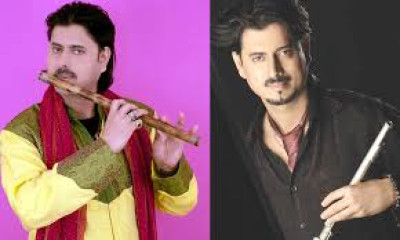
Dipak Sarma was born on 23 August 1968 in Panigaon village of Nalbari district, Assam. Growing up in a culturally vibrant environment, he developed a deep love for music from an early age. His first musical training began with the tabla under the guidance of Guru Adya Sarma. As his passion for music grew stronger, he shifted his focus to the bamboo flute, the instrument that would eventually define his career.
Education
Dipak Sarma completed his higher education at Gauhati Commerce College before pursuing formal training in music. He later earned a degree in Instrumental Music (Flute) from Rabindra Bharati University, Kolkata. His dedication to mastering the flute led him to become a disciple of the legendary Pandit Hariprasad Chaurasia, whose guidance shaped his musical style and strengthened his foundation in Hindustani classical music.
Musical Career
Over the years, Dipak Sarma established himself as one of the finest flutists from Northeast India. His performances were known for their emotional depth, technical precision, and ability to connect audiences with the beauty of Indian ragas. While rooted in classical traditions, he skillfully incorporated Assamese folk melodies into his performances, creating a distinctive musical identity.
He performed extensively across India and represented Assamese music on international stages in countries including Germany, France, South Africa, Seychelles, and the United Kingdom. His recognition as a B-High Grade flutist by All India Radio further reflected his excellence in Indian classical music.
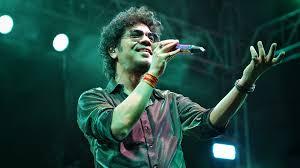
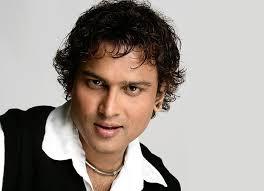
Apart from stage performances, Dipak Sarma collaborated with several renowned musicians, including Dr. Bhupen Hazarika and Zubeen Garg. His contribution helped introduce Assamese music to wider audiences while preserving its traditional essence.
Contributions to Assamese Cinema
Dipak Sarma also made significant contributions as a music director and composer in Assamese cinema. His music added emotional depth and authenticity to several films and television productions.
Some of his notable works include:
- Jonky Panoi - Music Director
- Jatinga Ityadi - Music Director
- Luitak Vetibo Kune - Music Director
- Karm (Zee TV) - Music Composer
- Wazir (Zee TV) - Music Composer
- Kaleidoscope (Star Plus) - Instrumental Performance
His compositions beautifully combined classical techniques with regional musical traditions, making them memorable among audiences.
Major Achievements
Throughout his career, Dipak Sarma played an important role in promoting Assamese music nationally and internationally.
His major achievements include:
- Disciple of Pandit Hariprasad Chaurasia.
- Internationally acclaimed Assamese flutist.
- B-High Grade Artist of All India Radio.
- Performed in numerous countries representing Indian classical and Assamese music.
- Collaborated with leading artists including Dr. Bhupen Hazarika and Zubeen Garg.
- Music director for several acclaimed Assamese films.
- Inspired countless young musicians through performances and musical mentorship.
Awards and Recognition
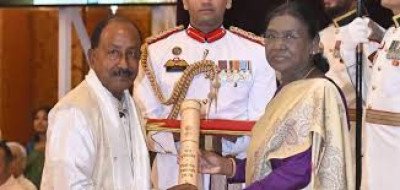
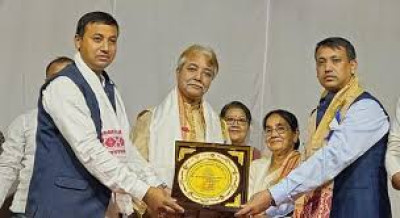
Dipak Sarma received several prestigious awards for his outstanding contribution to music.
His major honours include:
- Best Musician of the Year - N.E.T.V. (2006)
- Sangeet Prabha Award (2007)
- Assam Sports Cultural Jury Award (2007)
- Jams of Assam Award (2008)
- Azim Hazarika Award by Sivasagar Press Club
These recognitions highlighted his lifelong commitment to preserving Assamese musical traditions and Indian classical music.
Death
Dipak Sarma passed away on 3 November 2025 at Rela Hospital, Chennai, after battling a prolonged liver-related illness. He was 57 years old. His death was widely mourned throughout Assam and the Indian music fraternity. Tributes poured in from artists, cultural organizations, and admirers who remembered him as a humble musician whose flute carried the soul of Assam.
Legacy
Dipak Sarma's legacy continues through his timeless recordings, film compositions, and unforgettable live performances. He demonstrated how Assamese folk music and Indian classical traditions could coexist beautifully while reaching audiences worldwide. His dedication to music, cultural preservation, and artistic excellence continues to inspire aspiring musicians across Assam and India. Today, he is remembered as one of the finest flutists the state has ever produced and a true ambassador of Assamese culture.
FAQs about Dipak Sarma
1. Who was Dipak Sarma?
Dipak Sarma was a renowned Assamese flutist, music director, and composer who gained recognition for promoting Indian classical and Assamese music worldwide.
2. When and where was Dipak Sarma born?
He was born on 23 August 1968 in Panigaon village of Nalbari district, Assam.
3. Who was Dipak Sarma's guru?
Dipak Sarma was a disciple of the legendary Indian classical flutist Pandit Hariprasad Chaurasia.
4. What was Dipak Sarma famous for?
He was famous for his exceptional flute performances, Assamese film music, and contribution to Indian classical music.
5. Which Assamese films did Dipak Sarma compose music for?
His notable works include Jonky Panoi, Jatinga Ityadi, and Luitak Vetibo Kune.
6. What awards did Dipak Sarma receive?
He received the Best Musician of the Year Award (2006), Sangeet Prabha Award, Assam Sports Cultural Jury Award, Jams of Assam Award, and the Azim Hazarika Award.
7. Did Dipak Sarma perform internationally?
Yes. He performed in several countries, including Germany, France, South Africa, Seychelles, and the United Kingdom.
8. When did Dipak Sarma pass away?
He passed away on 3 November 2025 in Chennai after a prolonged illness.
9. How did Dipak Sarma contribute to Assamese culture?
He promoted Assamese folk and classical music through concerts, film compositions, television productions, and international performances.
10. Why is Dipak Sarma remembered today?
He is remembered as one of Assam's greatest flutists whose music preserved the state's cultural heritage while inspiring generations of musicians.