In Depth
Unlike destinations known mainly for mountains, waterfalls or wildlife, Sualkuchi offers a cultural experience centred on handloom weaving. Many local families have been involved in silk production for generations, creating garments and textiles used in everyday life, weddings, festivals and traditional ceremonies. Visitors can explore weaving workshops, browse silk showrooms, learn about indigenous fabrics and experience the everyday life of a historic craft community.
History of Sualkuchi
Sualkuchi has a long association with textile production in the Brahmaputra Valley. Historical accounts commonly connect the development of its weaving community with the Pala period, particularly the reign of King Dharma Pala in the 11th century. One widely repeated tradition describes the settlement of weaving families in the area, helping establish its identity as a specialised textile centre. The precise details of these early accounts may vary between historical sources and local traditions.
The weaving industry received further support during the Ahom period, when silk garments and traditional textiles were valued for royal, ceremonial and cultural use. Over the centuries, weaving became an important source of livelihood for local households, while other traditional occupations gradually became less prominent.
During the 20th century, particularly around the period of the Second World War, demand for Assamese silk helped expand commercial weaving. Small household looms developed into larger family-run production units, and Sualkuchi became one of the state's best-known centres for traditional silk fabrics. Today, its weavers continue to preserve inherited skills while responding to changing designs, markets and consumer preferences.
Why Is Sualkuchi Famous?
Sualkuchi is best known for its traditional handloom industry and the production of three important varieties of Assam silk.
Muga Silk
Muga silk is famous for its natural golden appearance, distinctive sheen and durability. Closely associated with Assam, it is used to produce premium traditional garments, including Mekhela Chadors, sarees and other ceremonial clothing. Genuine Muga silk is especially valued for its natural colour and long-lasting appeal.
Pat Silk
Pat silk is generally recognised by its smooth texture, light feel and white or ivory appearance. It is commonly used in traditional Assamese attire and is popular for elegant garments worn during weddings, religious occasions and cultural celebrations.
Eri Silk
Eri silk, also known as Endi silk, is known for its soft texture and warmth. It is used to make shawls, wraps, winter clothing and other textiles. Eri production is often associated with non-violent or peace-silk practices, although the exact process depends on the producer and method used.
Best Places to Visit in Sualkuchi
Traditional Handloom Workshops
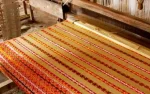
A visit to a local weaving workshop is one of the most rewarding experiences in Sualkuchi. Visitors may see artisans operating traditional handlooms, preparing yarn, selecting patterns and weaving intricate designs into silk fabric. Some workshops operate within family homes, while others are organised as commercial units. Ask permission before photographing workers or entering private premises.
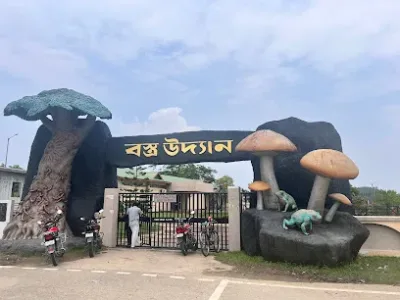
Vastra Udyaan
Vastra Udyaan is associated with the presentation of Assam's textile heritage and silk traditions. It is a useful stop for visitors interested in learning about local fabrics, weaving practices and the cultural importance of traditional garments. Confirm its current opening hours and visitor access before planning your visit.
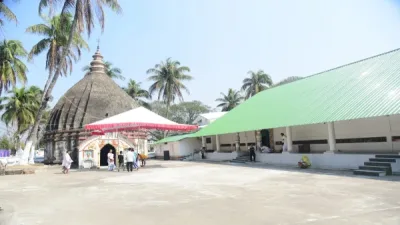
Sidheswar Devalaya
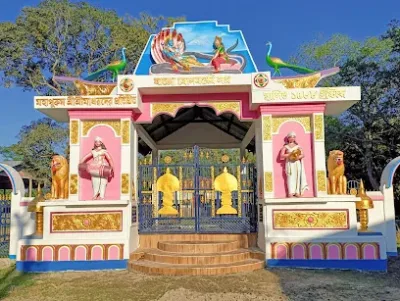
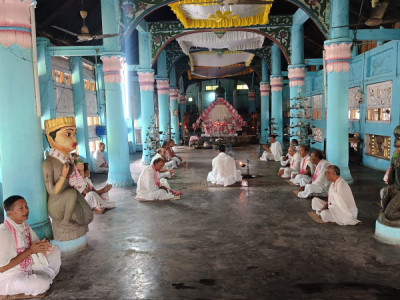
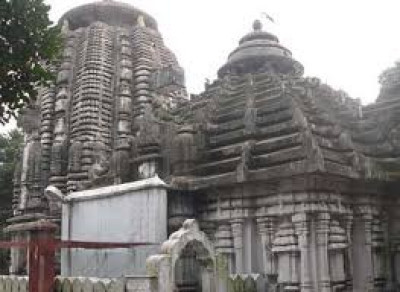
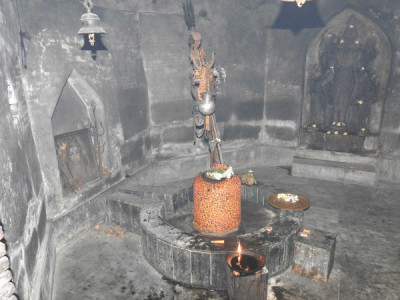
Sidheswar Devalaya is a historic Shiva temple in Sualkuchi. Local accounts associate its development and renovation with the Ahom ruler Siva Singha. The temple offers an opportunity to explore the area's religious heritage alongside its weaving traditions. Visitors should dress respectfully and follow local customs.
Hatisatra
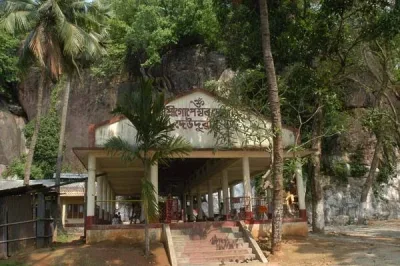
Hatisatra is a religious and cultural landmark associated with the Vaishnavite traditions of Assam. Satras have played an important role in preserving devotional practices, community life, music and cultural heritage across the state. Confirm visiting arrangements locally, especially if you wish to enter prayer or community spaces.
Ganesh Bigrah Temple
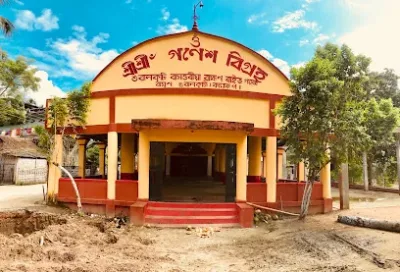
Ganesh Bigrah Temple is another religious site mentioned among Sualkuchi's local attractions. It can be included in a cultural sightseeing visit, subject to local access and opening arrangements.
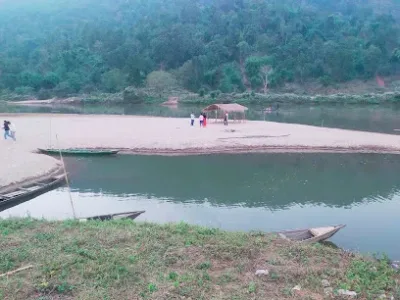
Brahmaputra Riverbank
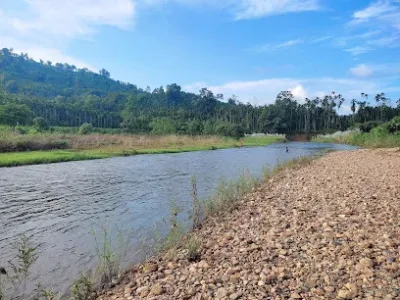
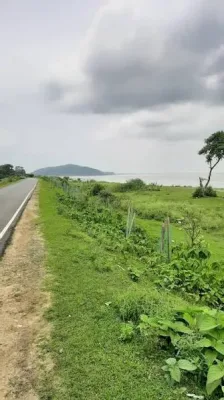
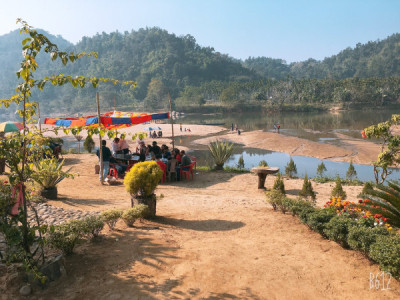
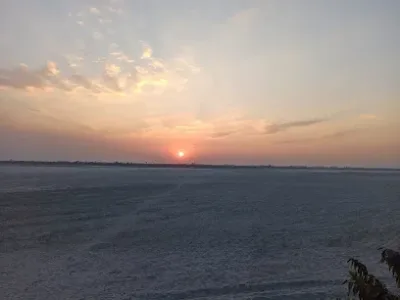
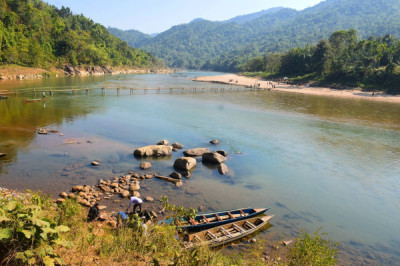
The riverbank offers a different perspective on Sualkuchi, with views of the Brahmaputra and the surrounding landscape. Winter is a pleasant season for a relaxed riverside visit and birdwatching in suitable areas. Keep a safe distance from the water and avoid unstable banks, particularly during or after the monsoon.
Things to Do in Sualkuchi
Observe traditional silk weaving and learn how Assamese textiles are produced.
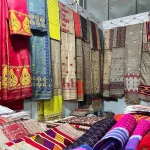
Shop for Muga, Pat and Eri silk products from reputable local weavers or showrooms.
Look for traditional garments such as Mekhela Chadors, sarees, Gamosas and shawls.
Explore local temples, satras and traditional neighbourhoods.
Learn about Assamese textile motifs and the cultural significance of handloom garments.
Enjoy views of the Brahmaputra and look for winter birds where conditions permit.
Speak with local artisans, where welcomed, to understand how weaving supports household livelihoods.
When purchasing silk, ask about the fabric type, authenticity, production method and price. Product labels and seller claims can vary, so buying from an established and transparent seller is advisable.
Best Time to Visit Sualkuchi
The most comfortable time to visit Sualkuchi is generally from November to March, when temperatures are usually more pleasant for walking around the town and exploring its weaving centres. Winter is also a suitable period for riverside sightseeing and birdwatching.
The monsoon season brings heavier rainfall to Assam and may make outdoor activities less convenient. Visitors travelling during this period should check local weather and road conditions.
If you want to experience Assamese cultural celebrations, check the local calendar for Raas Mahotsava, Doul Yatra and other community events. Dates and programmes vary, so confirm them before travelling.
How to Reach Sualkuchi from Guwahati
Sualkuchi is approximately 30-35 km from Guwahati, although the actual distance and journey time depend on your starting point and chosen route.
By Road
Travelling by road is one of the easiest ways to reach Sualkuchi. From Guwahati, head towards Jalukbari and continue along a suitable route towards the northern bank of the Brahmaputra and Sualkuchi. A private car or taxi offers flexibility for visiting weaving workshops and nearby attractions. Allow around one to one-and-a-half hours, depending on traffic and road conditions.
By Bus
Local buses and shared transport may be available from Guwahati towards Sualkuchi or nearby destinations. Services, departure points and fares can change, so check current arrangements locally before travelling. You may need a connecting vehicle for the final part of the journey.
By Train
Guwahati Railway Station and Kamakhya Railway Station are possible rail gateways for visitors coming from other parts of India. From either station, continue to Sualkuchi by road. Check train schedules and the route on the day of travel rather than relying on an assumed direct rail connection.
By Air
The nearest major airport is Lokpriya Gopinath Bordoloi International Airport in Guwahati. From the airport, hire a taxi or arrange a private vehicle to reach Sualkuchi. The journey commonly takes around one to one-and-a-half hours, depending on traffic and the route.
Where to Stay in Sualkuchi
Accommodation is available in and around Sualkuchi, with additional choices in nearby areas and Guwahati. If you want to explore the weaving village early in the day, staying locally can be convenient. For a wider choice of hotels and facilities, Guwahati may be a better base.
The following options and contact numbers were provided in the reference information. Confirm the current operating status, room availability, rates and contact details directly before booking.
Binodini Village Resort, Address: Near Block Office, Sualkuchi, Kamrup, Assam - 781103. Phone: +91 93958 89579, +91 8135991221, +91 9854030471
Silk Route Spa & Resort, Address: Gondhmow, Pub Bongshar, Sualkuchi, Kamrup district, Assam - 781103, Phone: +91 9706998141
Kiranshree Grand. Address: New Airport Road, Ganakpara / Mirzapur, opposite SOS Village, Kahikuchi Road, Guwahati, Assam - 781017, Phone: +91 97060 60000
Dixit Homestay, Address: Sadhutol, Sualkuchi, Kamrup, Assam - 781103, near Borsatra Naamghar
Hare Krishna Folk Residency, Address: Hajo Bamundipath, Sualkuchi, P K Road, Lakhi Nagar, Kamrup, Assam - 781103, Phone: +91 7099039770, +91 9678007302
Local Travel Tips
Ask permission before photographing artisans, private homes or working looms.
Compare fabric quality and prices before purchasing silk garments.
Carry cash for small shops and local transport, as digital payment availability may vary.
Check temple and workshop opening arrangements before visiting.
Wear comfortable footwear for walking through village lanes.
Keep the riverbank clean and follow local safety advice.
Confirm accommodation contacts and bookings directly before departure.
Conclusion
Sualkuchi is a distinctive cultural destination in Assam where traditional craftsmanship remains closely connected to everyday life. Its silk-weaving workshops, locally produced garments, historic religious sites and location near the Brahmaputra make it a worthwhile excursion from Guwahati. Whether you are interested in Assamese textiles, heritage, shopping or community-based tourism, a visit to Sualkuchi offers an opportunity to understand the skill and tradition behind one of Assam's most recognisable cultural products.
Frequently Asked Questions About Sualkuchi
1. Where is Sualkuchi located in Assam?
Sualkuchi is a traditional weaving town in Kamrup district, Assam, situated on the northern bank of the Brahmaputra River, approximately 30-35 km from Guwahati.
2. Why is Sualkuchi known as the Manchester of Assam?
Sualkuchi is called the Manchester of Assam because of its extensive handloom industry, concentration of weaving households and long-standing production of traditional Assamese silk textiles.
3. What is Sualkuchi famous for?
Sualkuchi is famous for Muga, Pat and Eri silk, traditional handloom weaving, Mekhela Chadors, sarees, Gamosas and other Assamese garments.
4. Which is the best time to visit Sualkuchi?
November to March is generally a comfortable period for sightseeing, visiting weaving workshops and exploring the town. Check local weather and festival dates before travelling.
5. How far is Sualkuchi from Guwahati?
Sualkuchi is approximately 30-35 km from Guwahati by road. Travel time varies with traffic, route and starting point.
6. How can I reach Sualkuchi from Guwahati?
You can travel by private car, taxi or available local bus and shared transport. Visitors arriving by train or air can continue from Guwahati Railway Station, Kamakhya Railway Station or Guwahati airport by road.
7. What are the main tourist attractions in Sualkuchi?
Popular places and experiences include traditional handloom workshops, Vastra Udyaan, Sidheswar Devalaya, Hatisatra, Ganesh Bigrah Temple and suitable viewpoints along the Brahmaputra River.
8. Can tourists buy genuine Assam silk in Sualkuchi?
Yes. Visitors can purchase silk garments and textiles from local weavers and showrooms. Ask about the silk variety, authenticity, production process and price before buying.
9. Are there hotels and homestays in Sualkuchi?
Yes. Options mentioned in local reference information include Binodini Village Resort and Dixit Homestay, along with properties in nearby areas and Guwahati. Confirm current availability and contact details directly.
10. Can Sualkuchi be visited as a day trip from Guwahati?
Yes. Sualkuchi can generally be explored as a day trip from Guwahati. An early start gives you time to visit weaving workshops, shop for silk, explore local heritage sites and enjoy the surrounding landscape.