In Depth
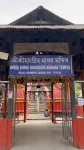
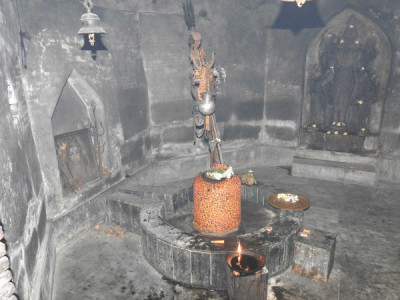
The temple is dedicated to Lord Vishnu in his Hayagriva form, depicted with a horse's head. The shrine is particularly notable for its intricate stone carvings, traditional architecture and religious importance among different communities. Hajo is widely recognised for its diverse spiritual heritage, and the Hayagriva Madhab Temple is among the area's most prominent pilgrimage destinations.
History of Hayagriva Madhab Mandir
The present temple structure is traditionally dated to 1583, when Koch ruler Raghudeva Narayan is credited with rebuilding the shrine. Some historical accounts associate the sacred site with an earlier period, including the Pala dynasty, although the details of its earliest origins are not firmly established.
The temple has also received patronage and contributions during later periods, including from Ahom rulers. Over the centuries, it has remained an important centre of worship and religious gatherings in western Assam.
According to Hindu tradition, Lord Vishnu assumed the Hayagriva form to defeat the demons Madhu and Kaitabha and recover the Vedas. The deity is therefore associated with knowledge, wisdom and the preservation of sacred teachings.
The temple is also revered by some Buddhist communities, particularly through traditions connecting Hajo with the spiritual journey of Gautama Buddha. These beliefs contribute to the region's distinctive interfaith heritage. The precise religious interpretations vary between traditions.
Architecture and What to See
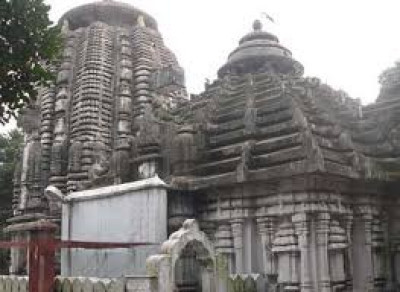
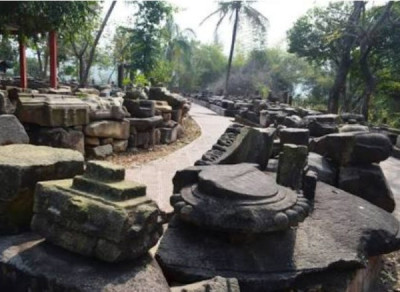
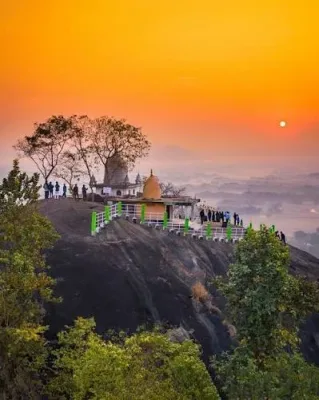
The temple stands on Monikut Hill and is known for its stone construction and sculptural details. The exterior includes carved elephants along the lower portion, along with depictions of deities, mythological figures and scenes associated with Hindu religious literature.
Visitors can observe representations of Vishnu's Dashavatara, or ten principal incarnations, alongside other decorative carvings. These artistic features make the temple an interesting destination for people who appreciate historic architecture and traditional craftsmanship.
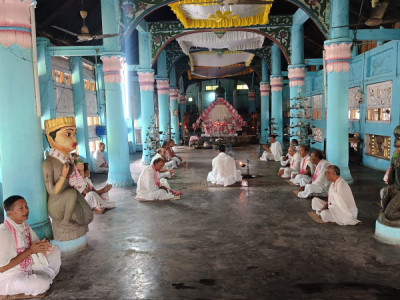
The main shrine contains the sacred deity, while the wider complex includes spaces associated with prayer and religious gatherings. An oil lamp traditionally known as the Akhanda Deep is associated with worship inside the sanctum.
The nearby Madhab Pukhuri is another point of interest. This sacred pond is known for its turtles and fish and forms part of the temple's wider religious landscape. Visitors should avoid disturbing the animals or feeding them unsuitable food.
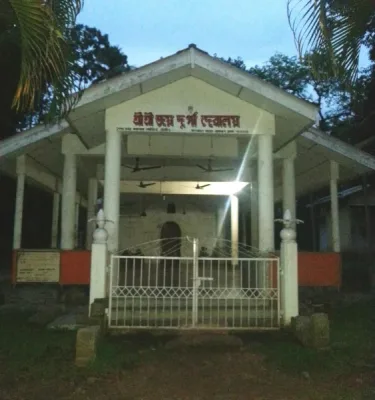
Doul Griha, a nearby structure associated with seasonal religious celebrations, is particularly important during Doul Utsav.
Religious Significance and Major Festivals
Hayagriva Madhab Mandir welcomes devotees throughout the year. Visitors come to offer prayers, seek blessings and participate in religious observances. Its association with Lord Vishnu makes it an important Vaishnavite pilgrimage site.
Doul Utsav, celebrated around the spring festival of Holi, is one of the temple's major annual events. The adjacent Doul Griha plays an important role in the celebrations, which can attract large numbers of devotees.
Janmashtami, marking the birth of Lord Krishna, is another important occasion. Bihu and other local religious observances also contribute to the temple's cultural calendar. Festival dates and programmes vary, so visitors planning a special trip should confirm arrangements in advance.
Best Time to Visit Hayagriva Madhab Mandir
The temple can generally be visited throughout the year. October to March is often comfortable for sightseeing because the weather is comparatively pleasant. Festival periods offer a chance to experience the area's religious traditions, although crowds may be larger.
Early morning is a good option for visitors seeking a quieter atmosphere for prayer and exploration. Wear comfortable footwear for the approach to the hill and follow any instructions regarding footwear inside the temple premises. Dress respectfully and observe local customs.
How to Reach Hayagriva Madhab Mandir from Guwahati
By road: Hajo is approximately 30-35 km from Guwahati. Travel towards Jalukbari and cross the Brahmaputra using the Saraighat Bridge, then continue towards Hajo. The drive generally takes around 45 minutes to 1.5 hours, depending on traffic and the starting point. From Hajo town, local transport can take you towards Monikut Hill.
By bus: Public and state-operated bus services may be available from Guwahati's Adabari Bus Stand and other local departure points towards Hajo. Services and schedules can change, so confirm the latest route before travelling. Local auto-rickshaws or taxis can help with the final stretch.
By train: Guwahati Railway Station is the main practical rail gateway for visitors arriving from other parts of India. From the station, hire a taxi or travel to a suitable bus departure point for Hajo.
By air: Lokpriya Gopinath Bordoloi International Airport serves Guwahati and is approximately 35-40 km from Hajo, depending on the route. A prepaid taxi or pre-booked cab can take you directly to the temple.
Where to Stay Near Hayagriva Madhab Mandir
Accommodation within Hajo is more limited than in Guwahati, so many travellers visit the temple on a day trip. Hotels and resorts in Hajo, Sualkuchi and the wider Guwahati area offer alternatives for different budgets.
The following properties and phone numbers were supplied in the reference information. Please confirm the current contact details, location, availability and rates before publishing or booking.
1. Chandrama Hotel & AC Restaurant
Address: Hajo Road, Patani, Pakhamela, Assam 781102
Phone: +91 361 282 0935, +91 361 282 0933, +91 94353 06591
2. Jilikee Hotel, Fast Food & Sweets Corner
Address: Hajo Road, Damdama, Sesa, No. 2 Kulhati, Assam 781102
Phone: +91 88767 15325, +91 99541 93140
3. Silk Route Spa Resort
Location: Sualkuchi, near Hajo
Phone: +91 97069 98141, +91 84493 95900
4. Sachika Hotels
Location: Kalitakuchi / Guwahati area
Phone: +91 70990 04522, +91 70990 04523
5. Eagle Nest Home Stay
Location: Azara, Guwahati area
Phone: +91 97062 49807, +91 70022 33048
Distances quoted for these properties may vary according to the exact route and temple entrance. Check the location before confirming a reservation.
Whom to Contact for a Visit
The reference information provides the following number for temple visit enquiries:
Hayagriva Madhab Temple Office: +91 92203 52244
Please verify this number before publishing or relying on it. You can enquire about darshan schedules, festival arrangements and visitor guidance. If the number is unavailable, seek assistance from the temple management at the site or the relevant local tourism authorities.
Visitor Tips
Check the temple's current opening and darshan hours before travelling, especially on festival days.
Carry drinking water and keep the premises clean.
Respect prayer activities and ask permission before photographing worshippers or restricted areas.
Allow additional travel time during Doul Utsav and Janmashtami.
Combine the visit with other attractions in Hajo if you have time to explore the town's wider religious and cultural heritage.
Quick information Hayagriva Madhab Mandir
Information | Details |
|---|---|
Name | Hayagriva Madhab Mandir |
Location | Monikut Hill, Hajo, Kamrup district, Assam |
Distance from Guwahati | Approximately 30-35 km |
Presiding deity | Lord Vishnu in the Hayagriva form |
Historical association | Rebuilt in 1583 under Koch king Raghudeva Narayan |
Architecture | Historic stone temple with sculptural carvings |
Nearby attraction | Madhab Pukhuri and Doul Griha |
Major festivals | Doul Utsav, Janmashtami and Bihu |
General visiting hours | Commonly reported as early morning to evening; confirm locally |
Entry fee | Reported as free; confirm before visiting |
Nearest airport | Lokpriya Gopinath Bordoloi International Airport, Guwahati |
Nearest major railway station | Guwahati Railway Station |
Ideal visit duration | Around 1-2 hours, excluding travel and festival crowds |
FAQs About Hayagriva Madhab Mandir
1. Where is Hayagriva Madhab Mandir located?
Hayagriva Madhab Mandir is situated on Monikut Hill in Hajo, Kamrup district, Assam, approximately 30-35 km from Guwahati.
2. Who is worshipped at Hayagriva Madhab Temple?
The temple is dedicated to Lord Vishnu in his Hayagriva form, traditionally represented with a horse's head and associated with wisdom and the protection of sacred knowledge.
3. Who built Hayagriva Madhab Mandir?
The present stone structure is traditionally credited to Koch ruler Raghudeva Narayan, who is said to have rebuilt the temple in 1583. Accounts of the site's earlier origins vary.
4. What is the historical importance of Hayagriva Madhab Mandir?
The temple is an important religious and heritage site in Assam. Its historic architecture, stone carvings and significance in Hindu traditions make it a major attraction in Hajo.
5. Why is Hayagriva Madhab Temple important to Buddhists?
Some Buddhist traditions associate Hajo and the temple with the spiritual history of Gautama Buddha. The precise beliefs and interpretations differ among Buddhist communities.
6. What are the main attractions inside and around the temple?
Highlights include the main shrine, carved stone elephants, mythological reliefs, the Akhanda Deep tradition, nearby Madhab Pukhuri and the Doul Griha associated with festival celebrations.
7. What is the best time to visit Hayagriva Madhab Mandir?
October to March is generally comfortable for sightseeing. Visitors interested in local religious celebrations may plan around Doul Utsav or Janmashtami after confirming the festival dates.
8. How can I reach Hayagriva Madhab Mandir from Guwahati?
You can travel by car, taxi or bus towards Hajo via the Saraighat Bridge. Guwahati Railway Station and Guwahati Airport are the main rail and air gateways for visitors arriving from other cities.
9. Are hotels available near Hayagriva Madhab Mandir?
Yes. There are some accommodation options in and around Hajo, while Guwahati offers a wider selection. Contact the hotel directly to confirm current rates, facilities and availability.
10. Is there an entry fee, and what are the temple timings?
The temple is generally reported to allow free entry, but visitors should confirm current arrangements locally. Opening and darshan hours may vary during special occasions, so check before travelling.