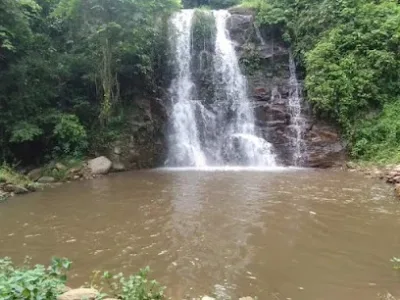
In Depth
The sanctuary was officially declared on 27 July 2000. Its history is connected with the older Nambor Reserve Forest, which was constituted in 1878. Today, Nambor forms part of a wider forest landscape associated with the Kaziranga-Karbi Anglong Elephant Reserve. Together with nearby protected forest areas, it contributes to the conservation of wildlife and ecological connectivity in this part of Northeast India.
Location and Natural Landscape
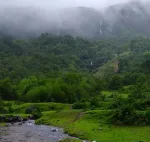
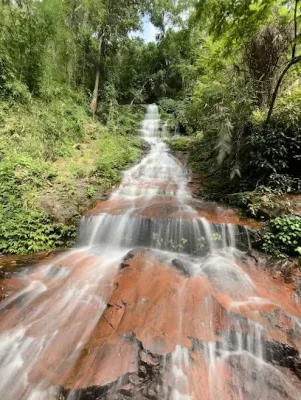
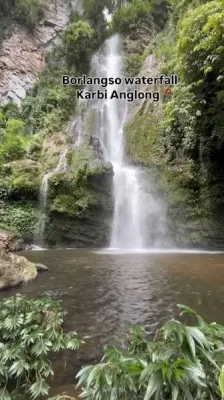
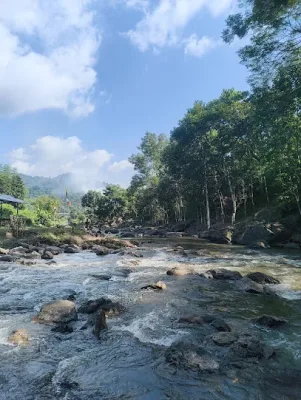
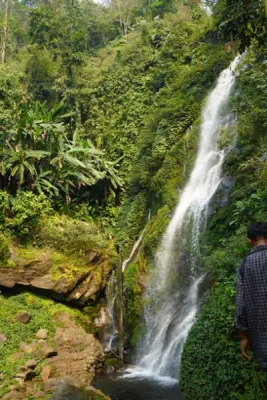
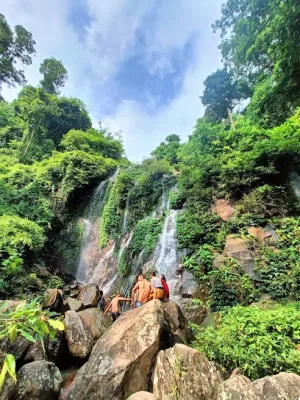
Nambor Wildlife Sanctuary lies in the forested landscape of the Karbi Anglong and Golaghat region. Its surroundings include tropical forests, bamboo growth, streams and hilly terrain. The Nambor River and its associated water systems contribute to the natural environment and support the area's plant and animal life.
The sanctuary forms part of a larger forest complex that includes Garampani Wildlife Sanctuary and Nambor-Doigrung Wildlife Sanctuary. These protected areas are important for maintaining wildlife habitats and movement corridors, particularly for elephants.
Flora and Forest Diversity
The vegetation of Nambor Wildlife Sanctuary is primarily made up of tropical semi-evergreen and moist deciduous forests, with evergreen forest patches in suitable locations. Dense bamboo groves, climbers, ferns and native orchids add to the ecological richness of the area.
Important tree species reported from the region include Ajar, Gomari, Bhelu, Nahor, Poma and Udiyam. These forests provide food, shelter and breeding habitats for numerous species. Bamboo is particularly important for elephants and other herbivores.
The sanctuary is also known for its orchid diversity, with around 51 species mentioned in the supplied reference material. Its varied vegetation makes Nambor an interesting area for people studying forest ecology and the plant diversity of Assam.
Wildlife and Mammals
Nambor Wildlife Sanctuary supports a diverse range of mammals. Asian elephants are among its important large mammals, and the wider forest landscape also provides habitat for Royal Bengal tigers, leopards, clouded leopards and gaurs.
Other reported animals include sambar deer, barking deer, wild pigs, sloth bears, Himalayan black bears, fishing cats, civets, otters, porcupines, flying squirrels and different species of smaller wild cats.
The sanctuary is also significant for primates. Hoolock gibbons, slow lorises, capped langurs and several macaque species, including pig-tailed and stump-tailed macaques, are associated with its forest habitats. Chinese pangolins are another notable species reported from the region.
Wildlife sightings are never guaranteed, particularly for elusive or nocturnal animals. Visitors should appreciate the sanctuary as a protected natural habitat rather than expect to encounter every species listed.
Birds and Reptiles
Nambor is of interest to birdwatchers because of its varied forest habitats and bird diversity. Species reported from the region include the great pied hornbill, wreathed hornbill, white-winged wood duck, hill myna, imperial pigeon, green pigeon, jungle fowl and different types of pheasants, parakeets and raptors.
The white-winged wood duck is particularly notable because it is a threatened species associated with suitable wetland and forest habitats in Northeast India.
Reptiles found in the wider sanctuary landscape include pythons, king cobras, monitor lizards and tortoises. The forest ecosystem also supports butterflies, moths and many other insects that contribute to its biodiversity.
Natural Hot Springs and Nearby Attractions
One of the distinctive features associated with the Nambor region is its natural hot water springs. The thermal springs and pools are particularly associated with the nearby Garampani area, which is known for its hot springs and forest surroundings.
Visitors planning to explore the hot springs should check the exact location and access arrangements, as the springs are associated with the wider Nambor-Garampani landscape and should not automatically be treated as facilities inside the Nambor Wildlife Sanctuary.
The sanctuary's location also makes it possible to plan a wider trip around Golaghat, Kaziranga and other attractions in the Karbi Anglong region.
Things to Do at Nambor Wildlife Sanctuary
Wildlife and Nature Observation
The forest environment provides opportunities to learn about Assam's wildlife and tropical ecosystems. Visitors may observe birds, butterflies and other natural features from permitted areas.
Birdwatching
The variety of forest birds makes the region interesting for bird enthusiasts. Binoculars, a camera with a suitable zoom lens and quiet observation can improve the experience.
Forest Exploration
Nature walks and forest exploration should only be undertaken where permitted and preferably with authorised guidance. Visitors must follow instructions from forest personnel and avoid entering restricted areas.
Explore the Garampani Region
Travellers can consider combining their visit with the nearby Garampani area, particularly for its natural hot springs. Confirm the route and local access conditions before travelling.
Best Time to Visit Nambor Wildlife Sanctuary
The period from November to April is generally suitable for visiting the Nambor region. The relatively dry weather makes road travel and outdoor activities more comfortable, while the forest landscape can be explored under more favourable conditions.
The monsoon months bring heavy rainfall, which can affect road access and outdoor movement. Visitors should check the weather and forest department advisories before planning their trip.
Safari Timings, Entry Fees and Visitor Permissions
Your reference material mentions morning and afternoon visitor sessions, along with indicative charges for entry, vehicles and professional cameras. However, these details should not be treated as confirmed current rates or official Nambor safari arrangements without verification.
Nambor is a protected wildlife sanctuary, and access may be regulated through designated forest offices or checkposts. Before travelling, contact the relevant Forest Department office to confirm whether visitor entry, guided excursions or vehicle-based wildlife viewing are permitted, along with current timings, fees and documentation requirements.
How to Reach Nambor Wildlife Sanctuary from Guwahati
By Road
Guwahati is the main transport gateway for visitors travelling to the Nambor region. The road distance is approximately 280-330 km, depending on the selected route and the sanctuary access point. Visitors can travel towards Golaghat using the highway network and arrange local transport from Golaghat town.
Golaghat is approximately 25-35 km from the sanctuary according to the supplied references. Diphu is another regional hub, although the distance varies depending on the destination within the forest landscape.
By Train
Furkating Junction is a convenient railway station for reaching the Golaghat region and is approximately 30 km from the sanctuary according to the supplied information. Golaghat also has a railway station, but train connectivity and onward transport should be checked before planning the journey.
From Furkating or Golaghat, visitors can arrange a taxi or other local road transport towards the relevant forest access point.
By Air
Dimapur Airport in Nagaland is one of the nearby airport options, approximately 55 km away according to the supplied reference. Jorhat Airport is another option, with an estimated distance of around 65-85 km depending on the destination and route.
Guwahati's Lokpriya Gopinath Bordoloi International Airport is a major alternative with broader flight connectivity. From the airport, visitors can continue by road or train towards Golaghat.
Where to Stay Near Nambor Wildlife Sanctuary
Accommodation is mainly available in Golaghat and the nearby Kohora area. Visitors can choose between Assam Tourism lodges, guest houses and private hotels, depending on their travel route.
Assam Tourism Lodges in Kohora
Aranya Lodge, Kohara, Kaziranga National Park, Hatikhuli T.E., Assam 785609 (Central Range, Kohora), Phone Number: +91 3776 262 429 (Fax: +91 3776 262677)
Bonani Lodge, Central Range, Kohora (Hatikhuli T.E.), Golaghat District, Assam – 785609, Phone Number: +91 3776 262423
Banashree Lodge, Central Range, Kohora, Kaziranga, Golaghat District, Assam 785609 (also noted as Hatikhuli T.E., Assam), Phone Number: +91 3776 262423
Kunjobon Lodge, Central Range, Kohora, Kaziranga National Park, Assam 785609, Phone Number: +91 3776-262423
Please confirm whether these properties are currently operating, along with room availability and booking arrangements, before travelling.
Hotels and Guest Houses in Golaghat
Prasanti Tourist Lodge, P.H.G. Path / Near Govt. Boys Higher Secondary School, Naojan, Golaghat, Assam – 785621 Phone: +91 3774 280730, +91 3774 280611, +91 98642 86200, +91-84039 40080 (Lodge), +91-99578 26771
Nambor Guest House: Station Road, Golaghat, Assam 785621. Phone: 03774-280900, +91 98642 86100, +91 70026 00590, +91 98642 86200
Several private hotels and budget accommodation options are also available in Golaghat town.
Whom to Contact for Visiting Nambor Wildlife Sanctuary
For information about sanctuary access, permissions, forest regulations and visitor arrangements, contact the relevant Forest Department offices listed in your references:
1. Divisional Forest Officer, Karbi Anglong East Division
Location: Diphu, Assam
Telephone: +91-3671-272237 / 273303
2. Divisional Forest Officer, Golaghat Division
Location: Junakinagar, Golaghat, Assam
Telephone: +91-3774-284798 / 284997
3. Forest Range Officer, Golaghat Range
Location: Salmora, PO Golaghat, Assam
Telephone: +91-3774-280544
These contact details are reproduced from the supplied reference material and should be verified before publication or use.
Responsible Travel Tips
Confirm visitor permissions, access points and current entry rules before travelling.
Do not enter restricted forest areas or attempt an independent safari without authorisation.
Avoid feeding, chasing or disturbing wildlife.
Keep noise levels low, particularly during birdwatching.
Carry drinking water, suitable footwear and essential supplies.
Never leave plastic or food waste inside the forest.
Follow all instructions issued by forest personnel.
Why Visit Nambor Wildlife Sanctuary?
Nambor Wildlife Sanctuary is an important destination for understanding the biodiversity and forest ecosystems of Assam. Its elephants, primates, rich birdlife, orchids, bamboo forests and connection with the wider Kaziranga-Karbi Anglong landscape make it significant from both ecological and conservation perspectives.
For travellers exploring Golaghat and the surrounding region, Nambor offers an opportunity to learn about the natural heritage of Northeast India while appreciating the importance of protecting its forests and wildlife.
Quick information table
| Particulars | Details |
|---|---|
| Name | Nambor Wildlife Sanctuary |
| Location | Golaghat and Karbi Anglong region, Assam |
| Approximate Area | 37 sq. km |
| Established | 27 July 2000 |
| Earlier Forest History | Nambor Reserve Forest constituted in 1878 |
| Main Forest Types | Tropical semi-evergreen and moist deciduous forests |
| Famous For | Elephants, tropical forests, birds, orchids and nearby hot springs |
| Important Mammals | Asian elephant, tiger, leopard, clouded leopard, gaur and primates |
| Notable Birds | Great pied hornbill, wreathed hornbill and white-winged wood duck |
| Orchid Diversity | Around 51 species reported in supplied references |
| Nearby Attractions | Garampani area and Kaziranga region |
| Best Time to Visit | November to April |
| Nearest Railway Station | Furkating Junction |
| Other Rail Option | Golaghat Railway Station |
| Nearby Airports | Dimapur and Jorhat |
| Major Airport | Guwahati International Airport |
| Nearest Town | Golaghat |
| Accommodation | Kohora and Golaghat |
| Popular Activities | Birdwatching and permitted nature exploration |
| Visitor Access | Subject to Forest Department rules and permissions |
FAQs About Nambor Wildlife Sanctuary
1. Where is Nambor Wildlife Sanctuary located?
Nambor Wildlife Sanctuary is located in the Golaghat and Karbi Anglong region of Assam. It is part of an important forest landscape in Northeast India.
2. What is the total area of Nambor Wildlife Sanctuary?
Nambor Wildlife Sanctuary covers approximately 37 square kilometres, according to the supplied reference information.
3. When was Nambor Wildlife Sanctuary established?
Nambor Wildlife Sanctuary was officially declared on 27 July 2000. The older Nambor Reserve Forest dates back to 1878.
4. What is Nambor Wildlife Sanctuary famous for?
The sanctuary is known for its tropical forests, Asian elephants, rich birdlife, primates, orchids and its association with the natural hot springs of the wider Garampani region.
5. Which animals can be found in Nambor Wildlife Sanctuary?
Reported wildlife includes Asian elephants, tigers, leopards, clouded leopards, gaurs, deer, hoolock gibbons, slow lorises, macaques and Chinese pangolins. Sightings are not guaranteed.
6. What is the best time to visit Nambor Wildlife Sanctuary?
November to April is generally considered suitable for visiting the region because the weather is comparatively favourable for road travel and outdoor exploration.
7. How can I reach Nambor Wildlife Sanctuary from Guwahati?
You can travel from Guwahati towards Golaghat by road or train. Furkating Junction is a convenient railhead, and local transport can be arranged for the onward journey.
8. Are safari facilities available at Nambor Wildlife Sanctuary?
The supplied references mention morning and afternoon safari sessions, but current safari availability and authorised visitor access need confirmation from the Forest Department. Do not assume that regular jeep safaris operate.
9. Where can I stay near Nambor Wildlife Sanctuary?
Visitors can explore accommodation options in Golaghat and Kohora. Options mentioned in the references include Aranya Lodge, Bonani Lodge, Banashree Lodge, Kunjobon Lodge, Prasanti Tourist Lodge and Nambor Guest House.
10. Is Nambor Wildlife Sanctuary part of the Kaziranga-Karbi Anglong Elephant Reserve?
Yes. Nambor is associated with the wider Kaziranga-Karbi Anglong Elephant Reserve landscape, which is important for elephant conservation and forest connectivity in Assam.