In Depth
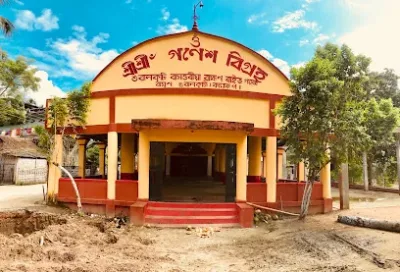
History of Ganesh Bigrah Temple
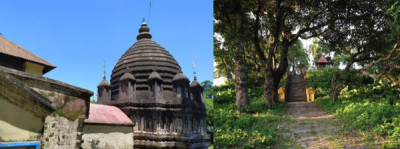
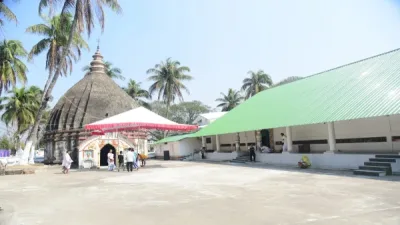
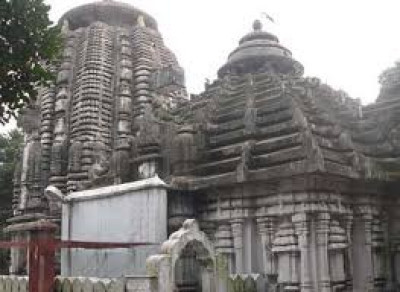
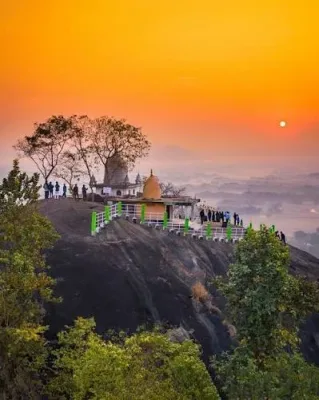
Local tradition associates the temple with the 11th century, during the reign of King Ratnapal of the Kamarupa region. It is believed to be around 900 to 1,000 years old, although these historical details should be understood as traditional accounts rather than independently confirmed dates. According to local folklore, a stone formation resembling Lord Ganesha was discovered beneath the soil and later worshipped as a sacred image.
Deities and Religious Significance
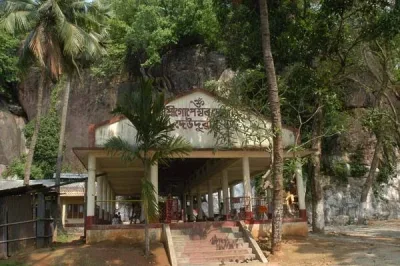
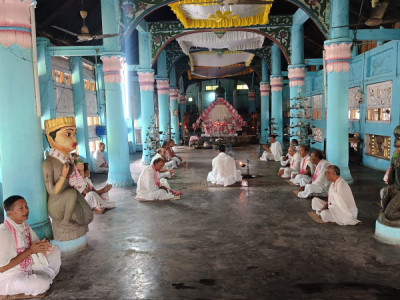
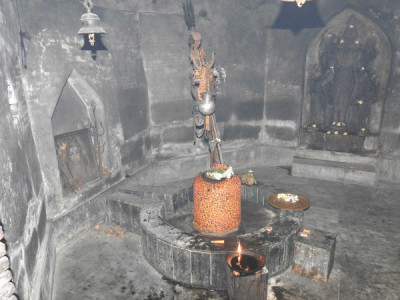
The temple's main attraction is a stone idol of Lord Ganesha, worshipped as the remover of obstacles and the deity associated with wisdom and new beginnings. Other sacred objects reported at the site include a stone representation of Har-Gouri, a Shivalinga, a small copper idol of Lord Krishna and a platform associated with Manasa Puja. These elements reflect the diverse devotional practices followed by the local community.
Festivals and Best Time to Visit
Ganesh Chaturthi is an important occasion for devotees of Lord Ganesha. Local observances associated with Sankranti in the Assamese months of Saon and Bhada are also mentioned in accounts of the temple's traditions. Visitors may find the surrounding area especially lively during religious celebrations. The cooler months from October to March are generally comfortable for exploring Sualkuchi and its nearby attractions.
How to Reach Ganesh Bigrah Temple from Guwahati
Sualkuchi is approximately 35 km from Guwahati by road, although the distance depends on your starting point and route. From Guwahati, visitors can hire a taxi or use available local transport towards Sualkuchi. The nearest major railway station is Guwahati Railway Station, while Lokpriya Gopinath Bordoloi International Airport serves air travelers. After reaching Sualkuchi, local transport or directions from residents can help you find the temple in the Bamun Para and Koiborto Para area.