In Depth
History of Chamaria Satra
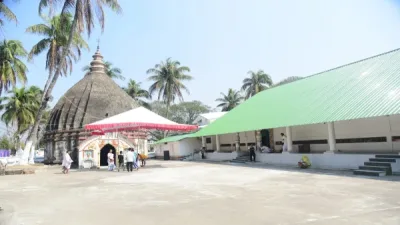
Chamaria Satra is traditionally believed to have been established in 1588 by Sri Sri Bor Vishnu Ata, a respected disciple associated with Mahapurusha Madhavdeva, one of the principal figures of the Assamese Neo-Vaishnavite movement. The institution developed as a place where people could practise devotion, participate in congregational prayer and learn from the teachings of the Vaishnavite tradition.
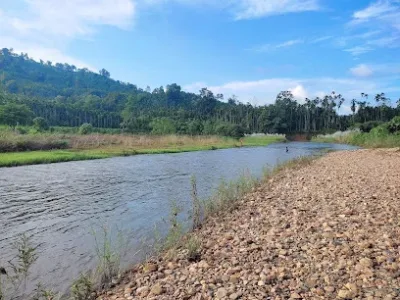
Local tradition connects the site's origins with a sacred banyan tree and a divine appearance associated with Lord Krishna. According to the legend, Madhavdeva learned about the spiritually significant location through a dream while travelling along the Kulsi River and guided Bor Vishnu Ata to establish a religious centre there.
The satra received royal patronage during the Ahom period. Its principal historic building is said to have been constructed in 1771 during the reign of Ahom king Swargadeo Lakshmi Singha. Historical accounts also associate the institution with a substantial land grant intended to support its religious and administrative activities. These traditions reflect the satra's importance in the development of Vaishnavite institutions in South Kamrup.
Religious and Cultural Significance
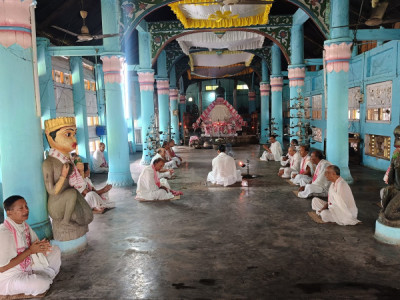
Chamaria Satra continues to represent the devotional practices introduced and developed by Assam's Neo-Vaishnavite movement. The namghar and associated prayer spaces form the heart of community worship, where devotees gather for naam-kirtan, religious observances and spiritual activities.
The institution is also associated with traditional Assamese cultural expressions, particularly Bhaona, a form of devotional theatre that presents stories from religious literature through acting, music, costumes and dialogue. These performances help preserve the region's artistic traditions while making religious narratives accessible to local communities.
What to See at Chamaria Satra
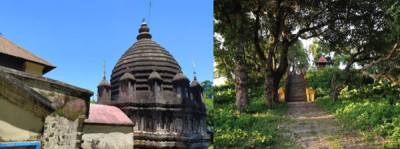
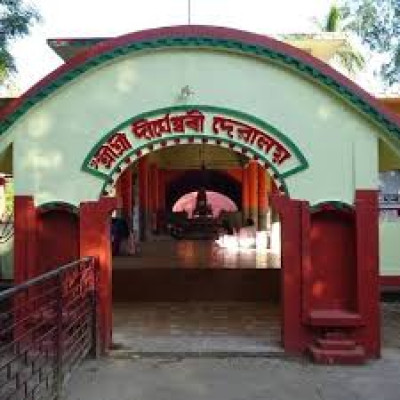
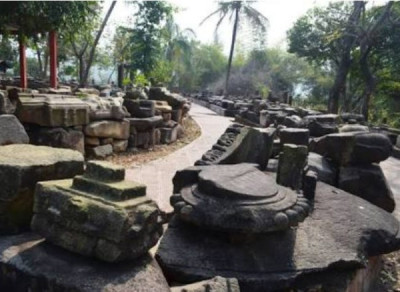
Visitors can explore the religious campus and learn about its historic role in Assamese society. The principal monastery and namghar are central features, although access to particular structures may be restricted if repairs, conservation work or religious activities are taking place.
Traditional celebrations are another reason to visit. The annual Tirobhav Tithi observance honours the spiritual legacy associated with the satra. The institution is also linked with Ram Vijay Bhaona, a devotional performance based on the story of Lord Rama and Sita. Festival periods may include prayer gatherings, traditional music, dramatic performances and local community activities.
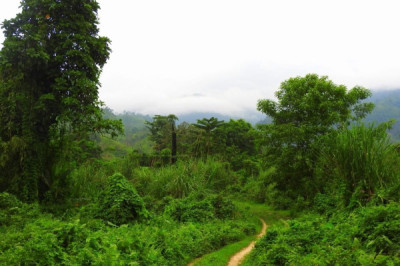
The surrounding countryside offers a glimpse of rural South Kamrup, where visitors can experience the quieter pace of village life. Please respect worshippers and follow local guidance before taking photographs inside religious areas.
Chamaria Satra Festival and Best Time to Visit
Festival dates depend on the Assamese religious calendar, so visitors should confirm the schedule locally before planning a trip around a particular event. Some celebrations are reported during the month of Phagun, which generally falls around February and March.
November to February is usually comfortable for sightseeing in Assam because temperatures are generally milder than during the hotter months. The monsoon season can bring heavy rainfall and difficult local road conditions, so check the weather before travelling.
How to Reach Chamaria Satra from Guwahati
By road: Guwahati is the main starting point for most visitors. Travel towards the Kamrup countryside and follow current directions to Chamaria village. Depending on the selected route and starting point, the journey may take several hours. Check a current map or ask local transport providers for the most suitable route before departure.
By bus: Public and private bus services may be available towards Chamaria and nearby market centres. Confirm the current service, departure point and frequency in advance, then use local transport for the remaining distance if necessary.
By train: There is no railway station directly at the satra. Travellers can check available trains to suitable stations in the wider area and continue by road. Verify station distance and onward transport before booking, as local connections may vary.
Local transport: Auto-rickshaws and other local vehicles may be available from nearby settlements and markets. Advance transport arrangements can be helpful during festival days.