In Depth
History and Religious Significance
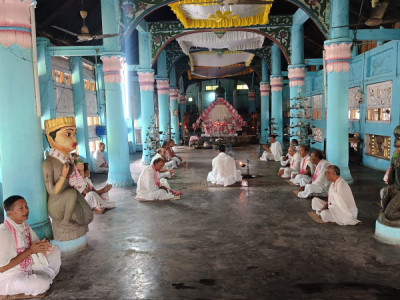
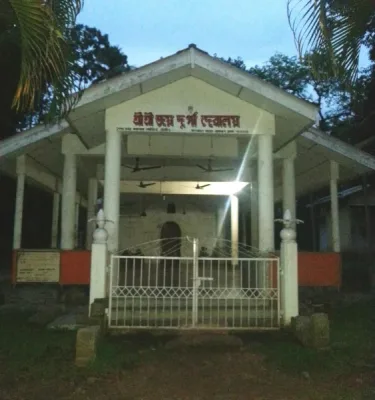
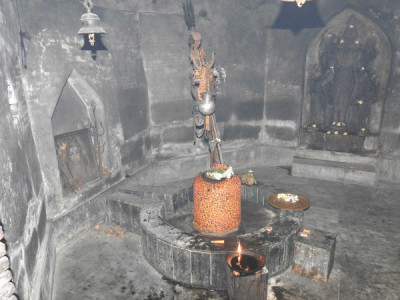
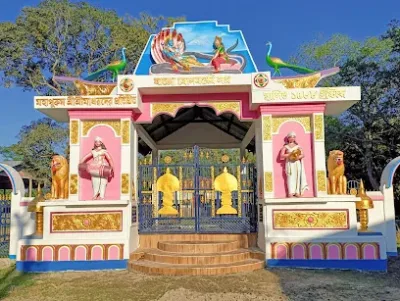
Tradition holds that Dhoparguri Satra began as a modest three-room structure near a banyan tree on the bank of the Lakhitara River. Madhavdeva is believed to have stayed here for several months, and the site preserves a footprint stone associated with the saint. Over time, the institution developed into an important centre for worship and the preservation of Assamese religious and cultural traditions.
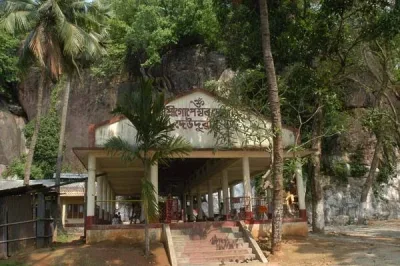
The complex includes sacred locations known as Gokrana, Vikrana and Swargdwar. Like other satras in Assam, Dhoparguri Satra represents more than a place of prayer; it reflects the region's longstanding connection between spirituality, community life and cultural heritage.
Best Time to Visit
October to March is generally a comfortable period to visit Hajo and explore its religious landmarks. Visitors can experience the peaceful atmosphere of the satra and learn about the Neo-Vaishnavite tradition.
How to Reach Dhoparguri Satra
From Guwahati, visitors can travel to Hajo by private car, taxi or available bus services. Guwahati Railway Station and Lokpriya Gopinath Bordoloi International Airport are the main transport hubs for travelers arriving from other cities. Local taxis and auto-rickshaws can help visitors reach the satra from Hajo town.
Nearby Attractions
Combine your visit with Hayagriva Madhava Temple, Poa Mecca and Kedareswar Temple. Sualkuchi, known for its traditional silk weaving, is another cultural destination to consider when exploring the region.