Life & Legacy
Early Life
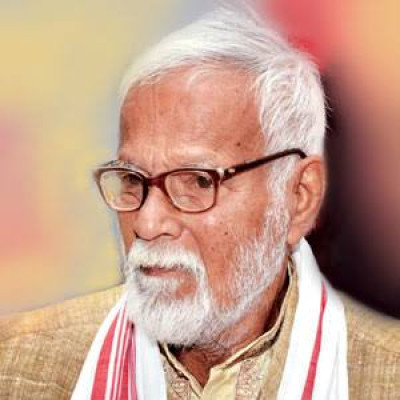
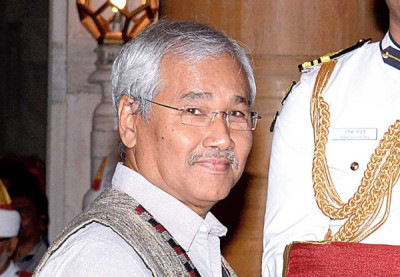
Jahnu Barua was born on 17 October 1952 in Bakata village of Sivasagar district, Assam. Growing up in a culturally vibrant environment, he developed a deep appreciation for literature, music, and storytelling from an early age. The natural beauty and rural lifestyle of Assam later became recurring inspirations in his films. His childhood experiences shaped his understanding of human relationships and social realities, themes that continue to define his cinematic style.
Education
Barua completed his schooling in Assam before earning a Bachelor of Science degree from B. Borooah College under Gauhati University. Driven by his passion for cinema, he joined the Film and Television Institute of India (FTII), Pune, where he specialized in Film Direction. His education at FTII provided him with technical expertise while encouraging him to develop a distinctive storytelling approach rooted in realism and human values.
Career
After graduating from FTII, Jahnu Barua worked as an assistant director and later contributed to educational television programmes associated with the Indian Space Research Organisation (ISRO). His directorial debut came with the Assamese film Aparoopa in 1982, which received critical appreciation and won the National Film Award for Best Assamese Feature Film.
His international breakthrough arrived with Halodhia Choraye Baodhan Khai in 1987. The film explored the hardships of rural farmers and won the National Film Award for Best Feature Film, becoming one of the greatest milestones in Assamese cinema. It also earned prestigious honours at international film festivals, introducing global audiences to Assamese storytelling.
Throughout his career, Jahnu Barua directed several acclaimed films including Papori, Bonani, Firingoti, Hkhagoroloi Bohu Door, Kuhkhal, Pokhi, Konikar Ramdhenu, Tora, Baandhon, Ajeyo, Bhoga Khirikee, and the Hindi film Maine Gandhi Ko Nahin Mara. His films often address social inequality, family relationships, environmental concerns, children's lives, aging, and moral dilemmas while preserving the cultural identity of Assam.
Apart from filmmaking, Barua has served on the boards and juries of several prestigious film institutions and festivals. His contributions have helped promote regional cinema and encourage young filmmakers across India.
Major Achievements
Jahnu Barua's contribution to cinema has earned him exceptional recognition in India and abroad. Some of his major achievements include:
- Brought Assamese cinema to international recognition through meaningful storytelling.
- Winner of multiple National Film Awards across different categories.
- Directed Halodhia Choraye Baodhan Khai, one of the most celebrated Assamese films ever made.
- Directed Maine Gandhi Ko Nahin Mara, which received critical acclaim worldwide.
- Represented Indian cinema at numerous international film festivals.
- Served as jury member and chairman at several national and international film festivals.
- Guided and inspired generations of filmmakers through his work and mentorship.
Awards and Recognition
His distinguished career has been honoured with numerous awards, including:
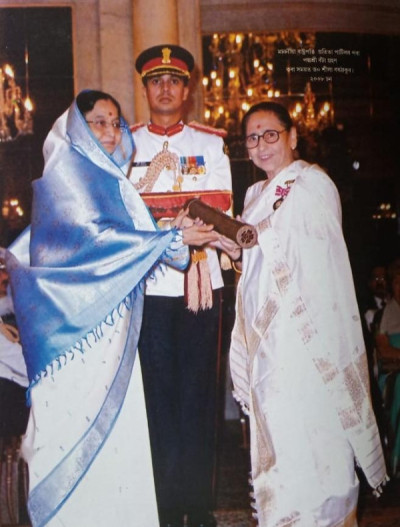
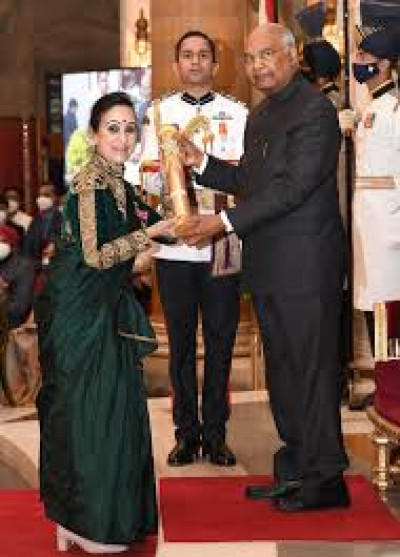
- Padma Bhushan (2015), India's third-highest civilian award.
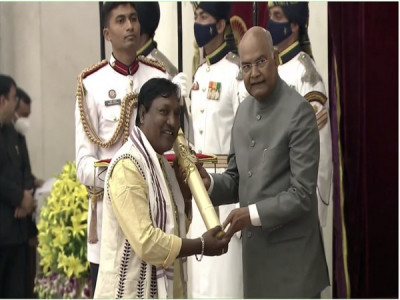
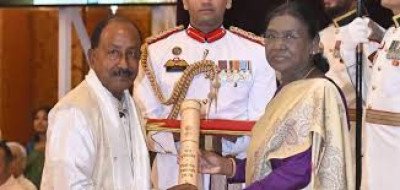
- Padma Shri (2003) for contribution to Indian cinema.
- National Film Award for Best Feature Film - Halodhia Choraye Baodhan Khai.
- National Film Award for Best Director - Hkhagoroloi Bohu Door.
- Multiple National Film Awards for Aparoopa, Firingoti, Pokhi, Konikar Ramdhenu, Tora, Baandhon, Ajeyo and other films.
- Silver Leopard Award at the Locarno International Film Festival.
- International FIPRESCI Awards.
- Getz World Peace Prize.
- Kodak Vision Award.
- Audience Award and several honours from international film festivals.
Selected Filmography
- Aparoopa (1982)
- Papori (1986)
- Halodhia Choraye Baodhan Khai (1987)
- Bonani (1990)
- Firingoti (1992)
- Hkhagoroloi Bohu Door (1995)
- Kuhkhal (1998)
- Pokhi (2000)
- Konikar Ramdhenu (2003)
- Tora (2004)
- Maine Gandhi Ko Nahin Mara (2005)
- Baandhon (2012)
- Ajeyo (2014)
- Bhoga Khirikee (2018)
Personal Life
Jahnu Barua is married to Gayatri Barua, and they have a daughter. Despite achieving global recognition, he has remained deeply connected to Assam and continues to promote Assamese culture through cinema. His films reflect compassion, simplicity, and a profound understanding of society, making him one of the most respected creative personalities from Northeast India.
Legacy
Jahnu Barua transformed Assamese cinema into a globally respected regional film industry. His films continue to inspire audiences with their honesty, emotional depth, and cultural authenticity. Through decades of dedication, he has preserved the identity of Assam on the world stage while proving that regional stories can achieve universal appeal. His contribution remains invaluable to Indian cinema, and his legacy continues to inspire aspiring filmmakers, artists, and cinema lovers across generations.
FAQs about Jahnu Barua