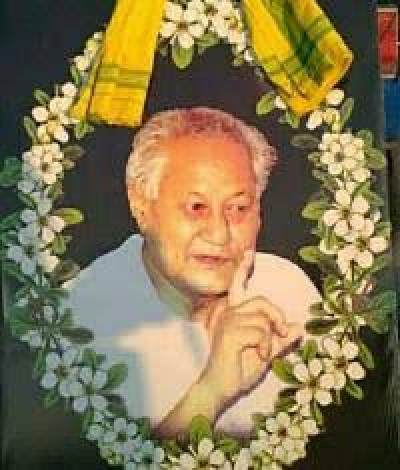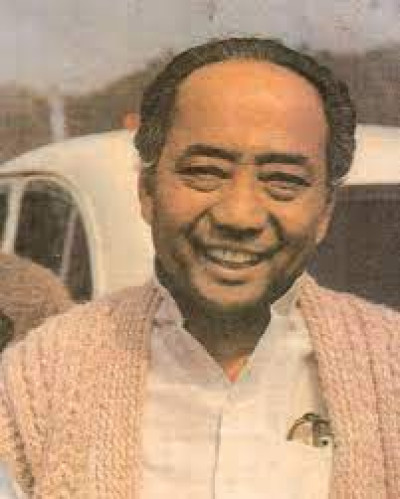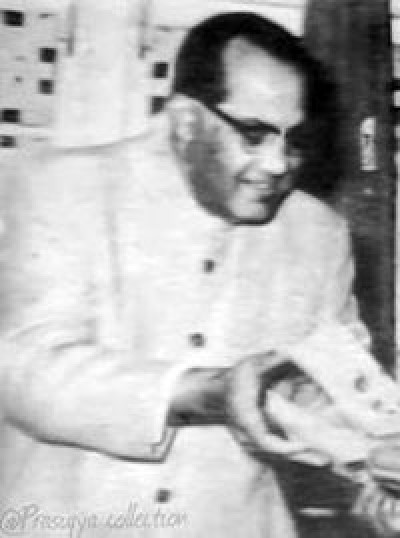
Life & Legacy
Early Life
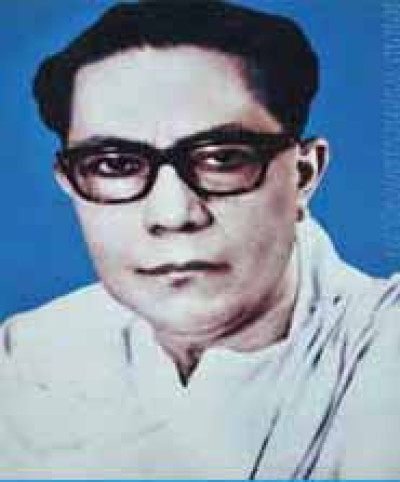
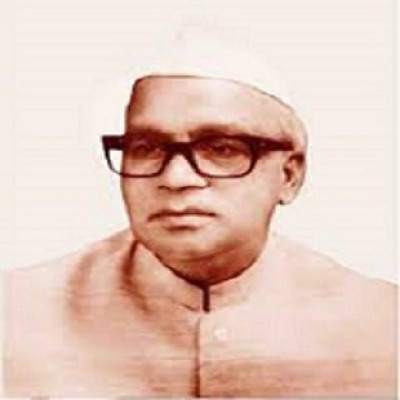
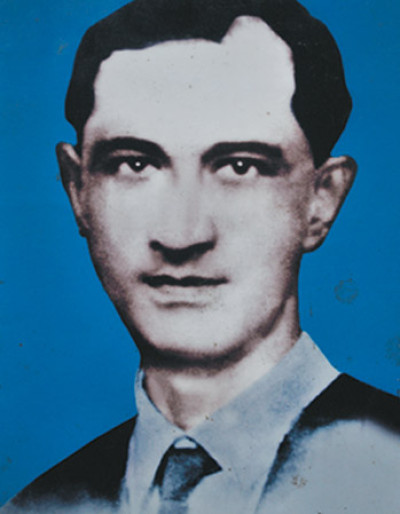
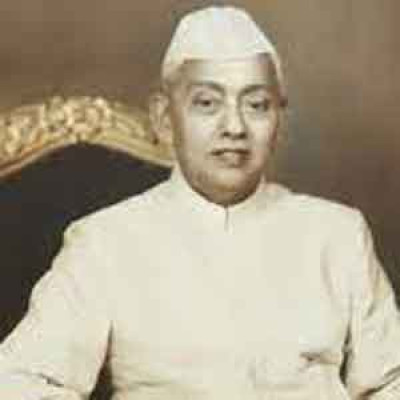
Bimala Prasad Chaliha was born on 26 March 1912 in Assam. He grew up during a period when the Indian freedom movement was gaining momentum. Inspired by the ideals of Mahatma Gandhi and other national leaders, he developed a strong sense of patriotism from a young age. His dedication to public service and social justice later became the foundation of his political career.
Education
Chaliha received his education in Assam before actively participating in public life. During his student years, he became interested in national affairs and gradually joined the movement against British colonial rule. His education helped him develop leadership qualities and a deep understanding of governance and public administration.
Participation in the Indian Freedom Movement
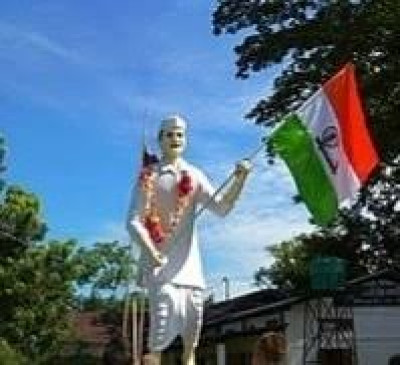
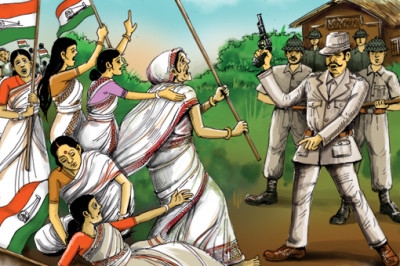
Bimala Prasad Chaliha actively participated in India's struggle for independence. During the Quit India Movement of 1942, he took part in protests against British rule and was imprisoned in Jorhat Jail for his nationalist activities. His contribution to the freedom movement established him as a dedicated freedom fighter who placed the nation's interests above personal gain.
Political Career
After India gained independence, Chaliha emerged as one of the leading politicians of Assam through the Indian National Congress. He was elected to the Assam Legislative Assembly and later became the Chief Minister of Assam on 28 December 1957. He remained in office until 6 November 1970, serving three consecutive terms.
As Chief Minister, he focused on strengthening governance, improving public administration, and promoting balanced development across the state. His government introduced several reforms aimed at improving agriculture, infrastructure, education, and rural development. He also worked to improve the welfare of tea plantation workers by supporting labour welfare measures and implementing important labour-related regulations.
His tenure witnessed several major challenges, including the 1962 Sino-Indian War, internal security concerns, the Mizo uprising of 1966, and issues relating to illegal migration. Throughout these difficult periods, Chaliha emphasized constitutional governance, law and order, and administrative stability. He also supported measures to preserve Assamese language and culture through the Assam Official Language Act, while encouraging overall social harmony.
Major Contributions and Achievements
- Served as the Chief Minister of Assam from 1957 to 1970.
- One of the longest-serving Chief Ministers in Assam's history.
- Active participant in the Quit India Movement and imprisoned during the freedom struggle.
- Strengthened Assam's administrative and governance framework after independence.
- Promoted agricultural development and rural infrastructure.
- Supported labour welfare, especially for tea plantation workers.
- Worked towards preserving Assamese language and cultural identity.
- Played an important role in maintaining peace during politically sensitive periods.
- Represented Assam on several national committees and policy discussions.
- Remembered for his clean public image and principled leadership.
Awards and Recognition
- Awarded the Padma Vibhushan in 1971, one of India's highest civilian honours, in recognition of his outstanding contribution to public service and national development.
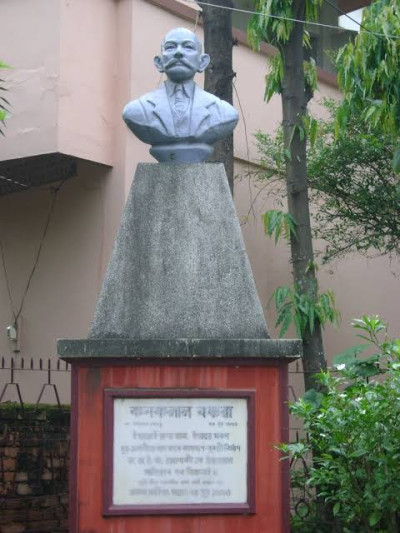
- Several educational institutions and public establishments have been named after him, including B. P. Chaliha College in Nagarbera, Assam, to honour his lasting contribution to education and society.
Personal Life
Bimala Prasad Chaliha was married to Amaya Bora Chaliha. Together they had five sons and two daughters. Despite holding high political office, he was widely admired for his simple lifestyle, integrity, and dedication to public service.
Death
Bimala Prasad Chaliha passed away on 25 February 1971 at the age of 58. His death marked the end of an important chapter in Assam's political history. Even decades later, he continues to be remembered as a visionary administrator, freedom fighter, and statesman whose leadership helped shape modern Assam. His contribution to democratic governance, social welfare, and the development of the state remains an inspiration for future generations.
FAQs about Bimala Prasad Chaliha
1. Who was Bimala Prasad Chaliha?
Bimala Prasad Chaliha was an Indian freedom fighter, senior Congress leader, and one of the longest-serving Chief Ministers of Assam from 1957 to 1970.
2. When was Bimala Prasad Chaliha born?
He was born on 26 March 1912 in Assam.
3. Why is Bimala Prasad Chaliha famous?
He is famous for his role in India's freedom struggle and for serving three consecutive terms as the Chief Minister of Assam.
4. How long did Bimala Prasad Chaliha serve as Chief Minister of Assam?
He served as the Chief Minister of Assam from 28 December 1957 to 6 November 1970.
5. Did Bimala Prasad Chaliha participate in the Indian freedom movement?
Yes. He actively participated in the Quit India Movement and was imprisoned by the British government in 1942.
6. Which political party did Bimala Prasad Chaliha belong to?
He was a senior leader of the Indian National Congress.
7. Which award was given to Bimala Prasad Chaliha?
He was posthumously awarded the Padma Vibhushan in 1971 for his outstanding public service.
8. What were the major contributions of Bimala Prasad Chaliha?
His major contributions include strengthening Assam's administration, promoting labour welfare, encouraging agricultural development, preserving Assamese language, and maintaining political stability.
9. When did Bimala Prasad Chaliha die?
He passed away on 25 February 1971.
10. What is the legacy of Bimala Prasad Chaliha?
He is remembered as a visionary Chief Minister, freedom fighter, and honest public leader whose policies significantly influenced the political and administrative development of modern Assam.