Life & Legacy
Early Life
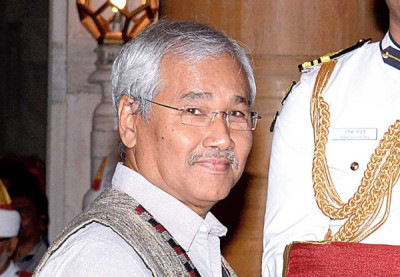
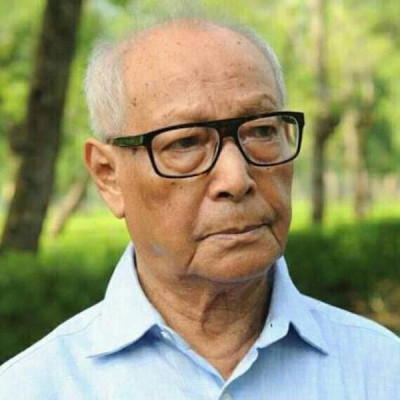
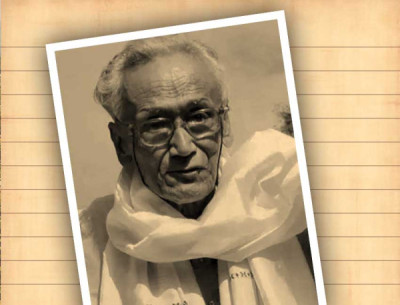
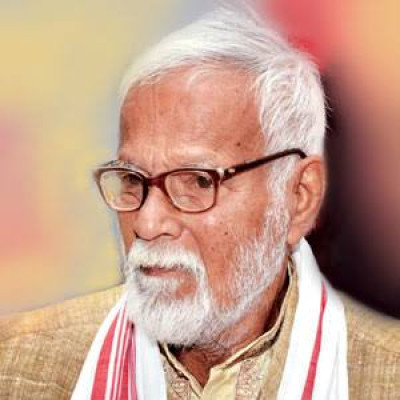
Neel Pawan Baruah was born on 1 June 1936 in Tamulisinga village near Teok in the present-day Jorhat district of Assam. He belonged to a culturally rich family. His father, Binanda Chandra Baruah, popularly known as Dhwanikobi, was an eminent Assamese poet, while his mother was Lavanyaprabha Baruah. Growing up in an environment surrounded by literature, music, and Assamese traditions greatly influenced his creative imagination from an early age.
Education
He received his early education at Dulia Gaon Primary School before studying at Teok High School, Jorhat Polytechnic School, Mariani High School, and Kamrup Academy in Guwahati. Although he initially planned to pursue agriculture and social work, his passion for painting led him to Santiniketan, where he enrolled in Kala Bhavana in 1961. There he received formal training in Fine Arts and later specialized in glazed pottery at Sriniketan. He also underwent advanced painting training at Garhi Studios in New Delhi, further expanding his artistic knowledge.
Career and Artistic Journey
After returning to Assam in 1966, Neel Pawan Baruah joined the Government Art College in Guwahati as a teacher. His teaching career helped inspire numerous aspiring artists across the state.
In 1971, he established the Assam Fine Arts and Crafts Society and founded Basundhara Kala Niketan, the first private art school in Assam. These institutions played an important role in encouraging artistic education and nurturing young creative talents.
Apart from painting, he worked extensively in pottery, papier-mache sculpture, folk art, textile design, mask making, and visual experimentation. In 1982, he founded Lokakala, a folk art centre that organized workshops on traditional Assamese mask-making and indigenous crafts involving artists from Majuli and other cultural centres.
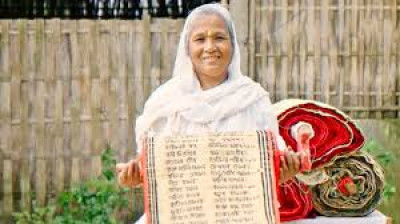
He also actively worked to revive the historic Vrindavani Vastra weaving tradition and promoted Assamese folk art through exhibitions, workshops, and public awareness programs. His paintings were displayed at major galleries including the Birla Academy of Art and Culture, Lalit Kala Akademi, Bhubaneswar, Lucknow, Kolkata, Guwahati, and several other cities.
Unique Artistic Style
Neel Pawan Baruah became famous for combining Assamese mythology, folk traditions, nature, and modern artistic expression into a unique visual language. He experimented with unusual materials and gained international attention for creating miniature paintings on discarded Charminar cigarette packets and matchboxes, transforming everyday objects into remarkable works of art.
His paintings often explored themes such as humanity, spirituality, mythology, nature, social harmony, environmental awareness, and Assamese identity.
Some of his most recognized artworks include:
- Green Bird
- Kaliya Daman
- Shankhachakra Gadapadma
- Sleeping Man
- Victory of Vietnam
- Scream
- Three Powers
- Patchitra
- Three Faces of the Goddess
- Shayit Manuh
- Bor Dhol
- Chinor
Literary Contributions
Besides painting, Neel Pawan Baruah was also interested in literature and poetry. He published several books and collections that reflected his artistic philosophy and creative ideas.
His known publications include:
- Anya Ek Gati
- Basundhara - Part 1
- Basundhara - Part 2
- Neel Pawan Baruah's Paintings and Poems
- A Handbook of Folklore Material of North-East India (Co-author)
Personal Life
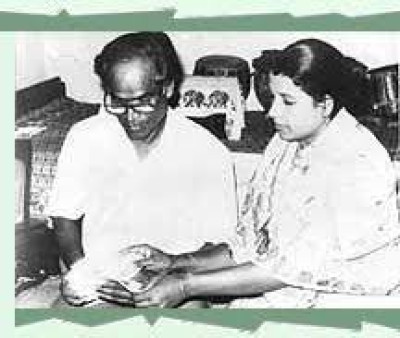
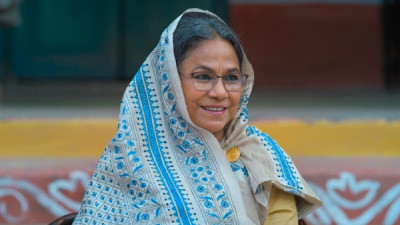
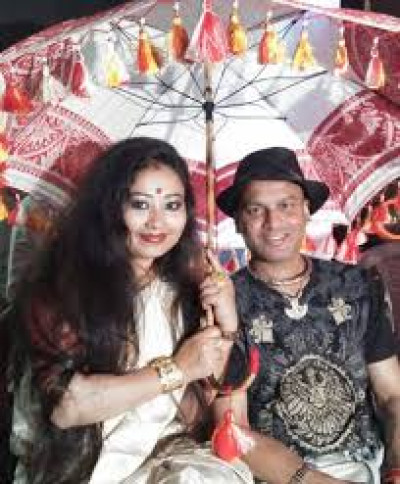
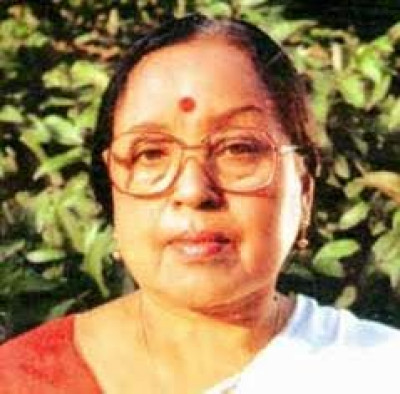
In 1976, Neel Pawan Baruah married legendary Assamese playback singer Dipali Barthakur. After she was diagnosed with motor neuron disease, he devoted much of his life to caring for her with exceptional love and dedication. Their relationship is often remembered as one of the most inspiring examples of lifelong companionship in Assam's cultural history.
Awards and Recognition
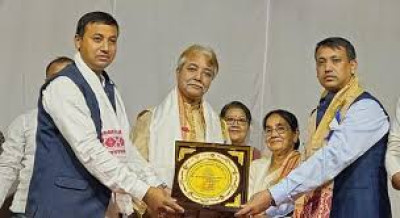
Throughout his distinguished career, Neel Pawan Baruah received numerous honours, including:
- Assam Sourav Award (2021)
- Honorary Doctorate from Gauhati University (2018)
- Achiever Award for Excellence in Art (2016)
- Chatak Award (2016)
- Rabindra Jayanti Artist Honour
- Jyotirupa Artist Award (2008)
- Leo Expo Award (2007)
- Bishnu Rabha Award (2005)
- Pranab Baruah Award (2004)
- Artist Pension by the Government of Assam (1989)
- Fellowship from Assam National School
Death
Neel Pawan Baruah passed away on 28 October 2022 at Gauhati Medical College and Hospital after suffering from post-COVID health complications. He was 86 years old. His final rites were performed with full state honours, reflecting the immense respect he earned for his lifelong contribution to Assamese art and culture.
Legacy
Neel Pawan Baruah transformed the landscape of modern Assamese art through his creativity, innovation, and commitment to preserving cultural heritage. His paintings continue to inspire artists, researchers, students, and art lovers across India. The establishment of the Neel Pawan Baruah Museum of Modern Art at Tezpur University has further preserved his artistic legacy for future generations. Today, he is remembered as one of the greatest painters and cultural icons in the history of Assam.
FAQs Neel Pawan Baruah
1. Who was Neel Pawan Baruah?
Neel Pawan Baruah was a renowned Assamese painter, sculptor, art educator, and cultural activist known for his major contribution to modern and contemporary art in Assam.
2. When and where was Neel Pawan Baruah born?
He was born on 1 June 1936 in Tamulisinga village near Teok in Jorhat district of Assam, India.
3. Why is Neel Pawan Baruah famous?
He is famous for pioneering modern Assamese art, establishing the Assam Fine Arts and Crafts Society, creating innovative artworks on cigarette packets and matchboxes, and promoting traditional Assamese folk arts.
4. Which are the most famous paintings of Neel Pawan Baruah?
Some of his most celebrated works include Green Bird, Kaliya Daman, Shankhachakra Gadapadma, Sleeping Man, Victory of Vietnam, Scream, Three Powers, Patchitra, and Three Faces of the Goddess.
5. What awards did Neel Pawan Baruah receive?
His major honours include the Assam Sourav Award (2021), Bishnu Rabha Award (2005), Leo Expo Award (2007), Honorary Doctorate from Gauhati University (2018), and several other prestigious cultural awards.
6. What is Basundhara Kala Niketan?
Basundhara Kala Niketan was the first private art school in Assam, founded by Neel Pawan Baruah in 1971 to promote fine arts and train young artists.
7. Was Neel Pawan Baruah associated with Dipali Barthakur?
Yes, he married legendary Assamese singer Dipali Barthakur in 1976 and devoted himself to caring for her during her long illness.
8. What was unique about Neel Pawan Baruah's art style?
He combined Assamese folk traditions, mythology, modern abstraction, and experimental techniques, and became internationally known for creating miniature artworks on cigarette packets and matchboxes.
9. When did Neel Pawan Baruah pass away?
Neel Pawan Baruah passed away on 28 October 2022 at Gauhati Medical College and Hospital at the age of 86.
10. What is the legacy of Neel Pawan Baruah?
His legacy lives on through his paintings, art institutions, folk art revival initiatives, and the Neel Pawan Baruah Museum of Modern Art at Tezpur University, which preserves his artworks for future generations.