In Depth
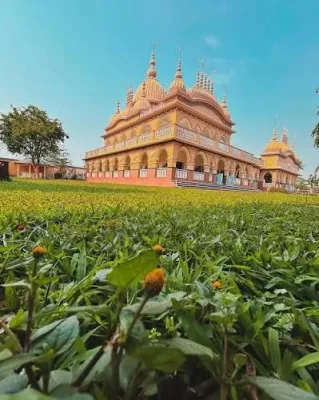
Believed to be more than 300 years old, the Namghar is especially known for its sacred idol of Lord Narasimha, an incarnation of Lord Vishnu. Its annual Narasimha Jatra Bhaona attracts particular interest among devotees and those wishing to experience Assam's living cultural heritage. For travellers exploring the religious landmarks of Jorhat, Moinaporia Bornamghar offers an opportunity to understand the spiritual traditions and community practices that have shaped village life in Upper Assam.
Quick Information About Moinaporia Bornamghar
| Information | Details |
|---|---|
| Name | Moinaporia Bornamghar |
| Alternative names | Moinaporia Namghar, Moina Poria Naamghar |
| Location | Moinaporia village, Ladoigarh area, Jorhat district, Assam |
| Approximate distance from Jorhat town | 12-14 km |
| Approximate distance from NH-37 | Around 2 km |
| Historical period | Traditionally dated to the late 17th century |
| Religious tradition | Ekasarana Vaishnavism |
| Main deity | Lord Narasimha, an incarnation of Lord Vishnu |
| Main attraction | Narasimha idol and Narasimha Jatra Bhaona |
| Important activities | Naam-Kirtan, Paath-Prasanga and devotional gatherings |
| Major annual observance | Narasimha Jatra Bhaona around Bhado Sankranti |
| Suggested visiting time | 1-2 hours |
| Reported visiting hours | 6:00 AM-12:00 PM and 4:00 PM-8:00 PM; confirm locally |
| Nearest airport | Jorhat Airport, also known as Rowriah Airport |
| Nearest railway station | Jorhat Town Railway Station |
| Best time to visit | October to March for comfortable travel; festival dates offer a different cultural experience |
| Entry information | Confirm local arrangements; no verified fee information was supplied |
History of Moinaporia Bornamghar
The history of Moinaporia Bornamghar is closely connected with the settlement history of Moinaporia village and the spread of Vaishnavite religious practices in Assam. Local accounts trace the origins of the village to families whose ancestors had lived near the Mornoi River in the Lakhimpur region.
According to traditional narratives, some families eventually moved south across the Brahmaputra and settled in the area that became Moinaporia. They are said to have first established a settlement at Fehumukoli before moving to the present village. Over time, additional families joined the community, helping the settlement grow.
The name Moinaporia is traditionally linked to the settlers' association with the Moin River. Although these details form part of local historical accounts, individual dates and migration stories should be understood as community traditions unless supported by further documentary evidence.
The village's Namghar developed as a shared centre for worship and community activities. It reflects the wider influence of the Ekasarana Vaishnavite movement associated with Mahapurush Srimanta Sankardeva and his disciples, including Srimanta Madhavdeva. Across Assam, Namghars became important spaces for devotional practice, cultural expression and collective village life.
Religious Significance of Lord Narasimha
The most distinctive feature of Moinaporia Bornamghar is its association with Lord Narasimha, the half-man, half-lion incarnation of Lord Vishnu. In Hindu tradition, Narasimha represents the protection of devotees and the triumph of righteousness over oppression.
According to local belief, the installation of the Narasimha idol followed a dream experienced by Shri Shri Loknath Goswami, a former Satradhikar associated with Shri Shri Patiyari Satra and regarded in the tradition as a spiritual guide to the villagers. In the account, Lord Narasimha expressed a wish to reside permanently at the Namghar. The idol was subsequently installed, becoming central to the shrine's identity.
This story is an important part of the Namghar's devotional heritage and is preserved through local belief and religious practice. Visitors can learn more about the tradition from local devotees or members of the Namghar management committee.
Narasimha Jatra Bhaona: The Main Cultural Attraction
Moinaporia Bornamghar is particularly associated with Narasimha Jatra Bhaona, a traditional religious performance centred on the story and significance of Lord Narasimha. Bhaona is an important form of Assamese devotional theatre that combines dramatic storytelling, dialogue, music, costumes and religious themes.
According to local tradition, the annual Narasimha Jatra Bhaona has been observed since 1923. It is associated with Sankranti during the Assamese month of Bhado, which generally falls around August or September, although the exact date varies according to the calendar.
The event brings the religious and cultural life of the village together. Devotees and performers participate in preserving a tradition that connects worship with theatrical storytelling. Visitors interested in attending should confirm the festival date with local organisers, as the programme may vary from year to year.
Daily Prayers and Religious Observances
Regular Naam-Kirtan and Paath-Prasanga form an important part of the Namghar's activities. Naam-Kirtan involves the congregational recitation and singing of devotional names, while Paath-Prasanga includes religious readings and discussions.
The annual religious calendar includes observances associated with Srimanta Sankardeva and Srimanta Madhavdeva, as well as Krishna Janmashtami and other important Vaishnavite occasions. Special devotional programmes are held during the Assamese month of Bhado, a significant period for religious observance in many parts of Assam.
Local accounts also describe recurring prayers and gatherings on particular weekdays and lunar dates. The schedule may differ according to the village's religious calendar, so visitors wishing to attend a specific ceremony should check locally.
Things to See at Moinaporia Bornamghar
1. The Sacred Lord Narasimha Idol
The Narasimha idol is the main religious attraction of the Namghar. Its association with local devotional tradition gives the prayer hall a distinctive identity among the religious sites of Jorhat.
2. The Namghar Prayer Hall
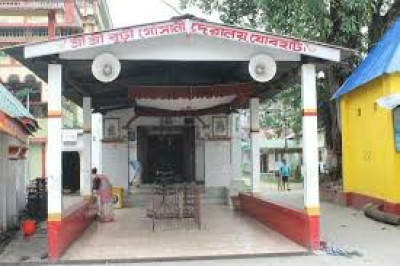
Observe the traditional prayer space and learn how it serves the spiritual life of the village. As a functioning place of worship, it should be approached respectfully, with care taken not to disturb prayers or ceremonies.
3. Traditional Bhaona Performances
If your visit coincides with a scheduled performance, Bhaona offers an opportunity to experience a traditional Assamese art form that combines religious narratives and theatre. The annual Narasimha Jatra Bhaona is particularly associated with this Namghar.
4. Naam-Kirtan and Scriptural Readings
Visitors may find regular devotional gatherings taking place, depending on the time of day and religious calendar. Ask permission before observing closely or taking photographs during a prayer session.
5. Village Culture and Community Traditions
Moinaporia Bornamghar is part of the cultural life of the surrounding village. Its continuing use for worship and community events illustrates the role Namghars play in preserving Assamese religious and social traditions.
Best Time to Visit Moinaporia Bornamghar
October to March is generally a comfortable period for travelling around Jorhat, with conditions often suitable for visiting cultural and historical attractions.
For those especially interested in religious traditions, visiting around the Narasimha Jatra Bhaona or during Bhado may provide a more meaningful cultural experience. However, festival dates should be confirmed with the local organisers before making travel arrangements.
A visit typically takes around one to two hours if you wish to see the prayer hall and learn about its history. Allow additional time if a special religious programme is scheduled.
Visiting Hours, Dress Code and Etiquette
The reference information lists morning visiting hours from 6:00 AM to 12:00 PM and evening hours from 4:00 PM to 8:00 PM. These timings have not been independently confirmed and may change during special occasions or religious events. Contact the local management committee or ask residents for the current schedule before travelling.
Visitors should wear modest clothing suitable for a place of worship. Remove footwear before entering the prayer hall, follow instructions from local devotees and maintain silence during prayers. Ask before photographing the deity, worshippers or religious performances.
No verified entry fee was provided in the reference information. Confirm any local arrangements before your visit.
How to Reach Moinaporia Bornamghar from Guwahati
By Road: Moinaporia Bornamghar is approximately 12-14 km east of Jorhat town, towards Sivasagar, and around 2 km from National Highway 37 according to the supplied reference. From Guwahati, travel towards Jorhat via the main highway network connecting Upper Assam. Once in Jorhat, continue east towards the Ladoigarh area and follow local roads to Moinaporia village.
By Train: Jorhat Town Railway Station is the nearest railway station listed in the reference material, at an estimated distance of around 18 km. Train services connect the Jorhat area with other parts of Assam and the wider region. Check current schedules and arrange local transport for the onward journey.
By Air: Jorhat Airport, also known as Rowriah Airport, serves the Jorhat area. The supplied reference lists an approximate distance of 25 km from the Namghar, although the actual distance depends on the route taken. From the airport, hire a taxi to reach Jorhat and continue towards Moinaporia village.
The road journey from Guwahati can take approximately 6-8 hours or longer, depending on traffic, weather, road conditions and stops. A taxi or private vehicle is convenient for reaching the village from Jorhat.
Where to Stay Near Moinaporia Bornamghar
The supplied reference does not identify a dedicated guest house or accommodation facility at the Namghar itself. Visitors can look for hotels, guest houses and homestays in Jorhat town, where there are generally more choices for different budgets.
Staying in Jorhat is practical for travellers who want to visit Moinaporia Bornamghar alongside other attractions in the district. Confirm the accommodation's location, facilities, availability and transport options directly before booking.
If you plan to attend Narasimha Jatra Bhaona or another major religious event, reserve accommodation in advance. Ask local contacts whether any community arrangements are available during the festival, but do not assume that overnight stays are permitted on the Namghar premises.
Whom to Contact for Visit Information
No verified phone number, email address or named contact for Moinaporia Bornamghar was included in the supplied reference material.
For current visiting hours, festival schedules, permission to attend ceremonies and other local arrangements, contact the Namghar's village management committee through local residents or community representatives. If travelling specifically for Narasimha Jatra Bhaona, confirm the date and programme before departure.
Places to Visit Near Moinaporia Bornamghar
If you have additional time in Jorhat, you can explore other cultural and historical attractions in the district. These may include Dhekiakhowa Bornamghar, a historic Vaishnavite prayer centre, and Jorhat's tea heritage attractions. You can also explore the town's local markets and cultural sites.
Travellers planning to continue towards Sivasagar can consider adding its Ahom-era historical monuments to a wider Upper Assam itinerary. Check travel distances and opening arrangements before planning multiple stops in one day.
Travel Tips for Visitors
Confirm visiting hours and religious programme dates before leaving Jorhat.
Wear modest clothing and remove footwear before entering the prayer hall.
Maintain silence during devotional singing and religious readings.
Ask permission before taking photographs, especially during worship or Bhaona.
Respect local customs and follow guidance from the management committee.
Carry water and allow extra travel time when using rural roads.
Arrange accommodation in Jorhat if you plan to attend an evening programme.
Avoid littering and help preserve the cleanliness of the Namghar premises.
Moinaporia Bornamghar is more than a historic prayer hall; it is a living centre of Assamese Vaishnavite faith, village traditions and devotional theatre. Its association with Lord Narasimha and the annual Narasimha Jatra Bhaona makes it a distinctive cultural destination in Jorhat district. A respectful visit offers insight into the religious practices and community heritage that continue to shape life in Assam.
FAQs About Moinaporia Bornamghar
1. Where is Moinaporia Bornamghar located?
Moinaporia Bornamghar is located in Moinaporia village in the Ladoigarh area of Jorhat district, Assam. It is approximately 12-14 km east of Jorhat town and around 2 km from National Highway 37, according to the supplied reference.
2. Why is Moinaporia Bornamghar famous?
Moinaporia Bornamghar is known for its historic Vaishnavite prayer tradition, its idol of Lord Narasimha and the traditional Narasimha Jatra Bhaona. Regular Naam-Kirtan and religious gatherings also make it an important centre of village worship.
3. How old is Moinaporia Bornamghar?
Local accounts describe the Namghar as more than 300 years old, with its origins traditionally placed in the late seventeenth century. Exact historical details should be understood in the context of local tradition unless confirmed by documentary records.
4. Which deity is worshipped at Moinaporia Bornamghar?
The Namghar is especially associated with Lord Narasimha, an incarnation of Lord Vishnu. According to local belief, the idol was installed following a dream experienced by Shri Shri Loknath Goswami, a spiritual figure connected with Shri Shri Patiyari Satra.
5. What is Narasimha Jatra Bhaona at Moinaporia Bornamghar?
Narasimha Jatra Bhaona is a traditional religious theatrical performance associated with Lord Narasimha. Local tradition states that the annual observance has taken place since 1923 and is held around Sankranti in the Assamese month of Bhado.
6. What are the visiting hours of Moinaporia Bornamghar?
The supplied reference lists morning hours from 6:00 AM to 12:00 PM and evening hours from 4:00 PM to 8:00 PM. These timings may change, so visitors should confirm the current schedule locally before travelling.
7. How can I reach Moinaporia Bornamghar from Guwahati?
You can travel by road from Guwahati to Jorhat and then continue east towards Ladoigarh and Moinaporia village. Alternatively, take a train to Jorhat Town Railway Station or fly to Jorhat Airport and arrange a taxi for the remaining journey.
8. What is the best time to visit Moinaporia Bornamghar?
October to March is generally comfortable for sightseeing in Jorhat. Visitors interested in the annual Narasimha Jatra Bhaona should plan around the festival period in Bhado, usually around August or September, after confirming the exact date with local organisers.
9. Is there an entry fee or dress code at Moinaporia Bornamghar?
No verified entry fee was provided in the reference material. Modest clothing is recommended, and visitors should remove their footwear before entering the prayer hall. Follow local instructions and ask permission before taking photographs.
10. Where can I stay near Moinaporia Bornamghar, and whom should I contact?
Jorhat town is a practical base, with hotels, guest houses and homestays available to suit different budgets. No verified direct phone number or email for the Namghar was supplied, so contact the local village management committee through community representatives to confirm visiting arrangements and festival schedules.