In Depth
For nature lovers, birdwatchers and photographers, Deepor Beel is a worthwhile destination near the state capital. It is also an important environmental resource, helping store water, support aquatic life and contribute to the drainage system of the wider Guwahati region.
History and Ecological Importance of Deepor Beel
Deepor Beel is understood to have developed from an older channel of the Brahmaputra River. Changes in the river's course left behind a wetland basin that continues to receive water from local streams, rainfall and surrounding drainage systems. The Basistha and Kalmoni waterways are among the watercourses associated with the wetland's hydrology, while the Khonajan channel provides a connection towards the Brahmaputra system.
The wetland was declared a wildlife sanctuary by the Government of Assam in 1989 and was designated a Ramsar site in November 2002 under the international convention for the conservation of wetlands. It has also been recognised as an Important Bird Area because of its significance for bird populations and habitat conservation.
Deepor Beel is more than a scenic lake. Its wetland ecosystem supports aquatic plants, fish, birds and other wildlife. It also plays a role in storing excess rainwater and supporting natural drainage. Protecting the wetland is important for biodiversity as well as for the environmental health of the rapidly growing city nearby.
Birds and Wildlife at Deepor Beel
Birdwatching is one of the main reasons visitors come to Deepor Beel. The wetland provides feeding and resting habitat for numerous resident and migratory birds. Depending on the season and water conditions, birdwatchers may look for pelicans, storks, eagles, ducks, geese, herons and other waterbirds.
Species reported from the wetland and its surrounding landscape include spot-billed pelicans, greater and lesser adjutant storks, greylag geese, gadwalls and white-bellied sea eagles. Some globally threatened bird species have also been recorded in the wider wetland ecosystem. Sightings are never guaranteed, so visitors should bring binoculars, observe quietly and avoid approaching birds too closely.
Deepor Beel is also associated with occasional visits by wild Asian elephants from nearby forest areas, including the Rani and Garbhanga forest landscape. Such sightings are unpredictable and should not be treated as a regular tourist activity. If elephants are seen, maintain a safe distance and follow directions from local authorities.
The wetland supports fish and other aquatic organisms, while reptiles and smaller wildlife also contribute to the ecosystem. Water lilies and other aquatic plants add to its natural character, although the vegetation visible at any given time depends on water levels and seasonal conditions.
What to See and Do at Deepor Beel
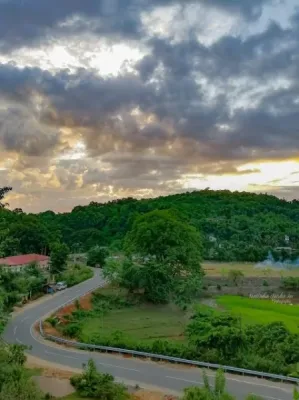
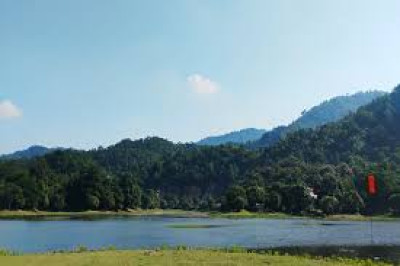
The main attraction is the wetland landscape itself. Visitors can enjoy views across the water, watch birds from suitable vantage points and observe the interaction between the wetland and the surrounding hills. Early morning is often useful for birdwatching because many birds are active during the cooler hours.
Traditional fishing boats and local fishing activity may be visible in authorised areas. These activities reflect the wetland's importance to surrounding communities, but visitors should not interfere with fishing operations or enter restricted zones.
Observation points and watchtowers may be available in particular locations, depending on access and maintenance. If you are visiting for photography, use a camera lens that allows you to photograph birds from a distance rather than approaching their nesting or feeding areas.
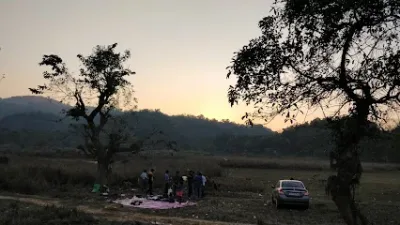
Deepor Beel is sometimes described as a picnic or day-out destination. However, it is a protected wetland, and not every part is suitable or open for picnicking, boating or recreation. Choose only locations where such activities are explicitly permitted. Avoid littering, loud music, feeding wildlife and disturbing birds.
Best Time to Visit Deepor Beel
October to March is generally considered a suitable period to visit Deepor Beel, especially for observing migratory birds. The cooler weather can make outdoor exploration more comfortable, and winter is a particularly interesting season for birdwatchers.
Morning visits are recommended for people interested in bird activity and photography. The light and visibility may also be favourable during clear mornings. Sunset can offer attractive landscape views, but visitors should check access hours and leave before restricted areas close.
During the monsoon, the wetland's water levels and surrounding access conditions can change considerably. Rain may make paths muddy or difficult to use. Before visiting in wet weather, confirm local conditions and any temporary restrictions.
How to Reach Deepor Beel from Guwahati
Deepor Beel lies roughly 10-18 km from central Guwahati, depending on the starting point and the particular access area. Because it is a large wetland rather than a single enclosed tourist attraction, visitors should confirm the exact location of the birdwatching point or entrance they intend to reach.
By road: Taxis, app-based cabs and private vehicles can travel towards the southwestern outskirts of Guwahati using the city's connecting roads and the NH-27 corridor. Local buses may be available on nearby routes, but the final approach can require a short walk or a separate local vehicle.
From Guwahati Railway Station: Hire a taxi or use local transport towards the Deepor Beel area. The journey distance and duration depend on the access point and traffic.
From Lokpriya Gopinath Bordoloi International Airport: The airport is relatively close to the wetland compared with many other city attractions. A taxi or app-based cab is a convenient option. Allow extra time if travelling during peak traffic.
Public transport fares, taxi prices and journey times change, so confirm them locally rather than relying on older estimates.
Where to Stay Near Deepor Beel
Visitors can stay in hotels, resorts and homestays in the Gotanagar, Boragaon, Azara and airport areas of Guwahati. The following properties and contact details were supplied in the reference information. Verify current availability, exact addresses and phone numbers directly before booking.
These details have not been independently verified here. Confirm that the properties are operating, that the contact numbers are current and that the location suits your intended wetland access point.
Whom to contact for a visit to Deepor Beel: The Divisional Forest Officer, Guwahati Wildlife Division, A.T. Road, Santipur, Guwahati-781009, Tel.- +91-361-2656771(P), +91-94350 31789 (Mobile).
Conservation and Responsible Tourism
Deepor Beel's ecological value makes responsible visitor behaviour essential. Do not leave plastic, food waste or other rubbish around the water. Avoid loud sounds, feeding birds, damaging vegetation or entering areas marked as restricted. Keep a respectful distance from wildlife and never approach elephants or attempt to photograph them at close range.
Visitors should also respect the people who depend on the wetland for fishing and other traditional activities. Following local guidance helps protect the habitat and supports a safer experience for everyone.
Quick Information About Deepor Beel
| Information | Details |
|---|---|
| Name | Deepor Beel |
| Alternative Name | Dipor Bil |
| Location | Southwest of Guwahati, Assam |
| District | Kamrup Metropolitan |
| Type | Freshwater wetland and wildlife sanctuary |
| Sanctuary Declaration | 1989, according to the supplied reference |
| Ramsar Designation | November 2002 |
| Important Bird Area | Recognised as an Important Bird Area |
| Approximate Distance from Guwahati City Centre | Around 10-18 km, depending on the starting point |
| Nearest Airport | Lokpriya Gopinath Bordoloi International Airport |
| Nearest Major Railway Station | Guwahati Railway Station |
| Main Attractions | Migratory birds, resident birds, wetland vegetation, scenic views and local fishing activity |
| Wildlife | Wetland birds, fish, reptiles and occasional elephant visits from nearby forest areas |
| Best Time to Visit | October to March, especially during the migratory bird season |
| Suggested Visit Duration | Around 2-4 hours, depending on access and activities |
| Entry Fee | Confirm locally; access arrangements may vary by location |
| Boating | Only where currently authorised and available |
| Picnic | Follow sanctuary rules and use only permitted areas |
| Nearby Accommodation | Hotels, resorts and homestays around Gotanagar, Boragaon, Azara and the airport area |
| Conservation Authority | Assam Forest Department and relevant wetland authorities |
Why Visit Deepor Beel?
Deepor Beel is a distinctive natural attraction near Guwahati, combining birdwatching, freshwater biodiversity and scenic wetland views. Its importance as a Ramsar site makes it especially valuable for travellers interested in nature and conservation. Whether you are a bird enthusiast, a photographer or a visitor seeking a quieter outdoor experience, Deepor Beel offers a different perspective on Assam's natural heritage. Plan your trip around the season, confirm the permitted access points and help keep this important wetland clean and undisturbed.
FAQs About Deepor Beel
1. Where is Deepor Beel located?
Deepor Beel is a freshwater wetland situated southwest of Guwahati in Assam's Kamrup Metropolitan district. It lies near the city's airport-side outskirts and is accessible by road from several parts of Guwahati.
2. Why is Deepor Beel famous?
Deepor Beel is known for its rich birdlife, freshwater ecosystem and international importance as a Ramsar wetland. It attracts birdwatchers, nature enthusiasts and photographers interested in resident and migratory birds.
3. Is Deepor Beel a wildlife sanctuary?
Yes. Deepor Beel was declared a wildlife sanctuary by the Government of Assam in 1989. It was also designated a Ramsar site in November 2002 in recognition of its ecological importance.
4. What is the best time to visit Deepor Beel?
October to March is generally a good time to visit, particularly for migratory birdwatching. Early mornings are often suitable for observing birds, while clear evenings may provide attractive views of the wetland landscape.
5. Which birds can be seen at Deepor Beel?
Birds recorded in the wetland and surrounding landscape include spot-billed pelicans, adjutant storks, ducks, geese, herons and eagles. The species visible during a visit depend on the season, weather and habitat conditions.
6. Can visitors see wild elephants at Deepor Beel?
Wild Asian elephants sometimes visit the wider wetland landscape from nearby forest areas. Sightings are unpredictable, and visitors should never approach, follow or attempt to attract elephants. Maintain a safe distance and obey local authorities.
7. What is the entry fee for Deepor Beel?
Entry charges may depend on the access point and any organised facilities or activities available. Confirm current fees locally before travelling. Do not assume that every section of the protected wetland is open to visitors.
8. How can I reach Deepor Beel from Guwahati?
You can travel by taxi, app-based cab, private vehicle or available local transport towards the southwestern part of Guwahati. The nearest approach depends on the birdwatching area or access point you plan to visit.
9. Are boating and picnics allowed at Deepor Beel?
Boating or picnicking may be possible only in designated areas where these activities are permitted. Since Deepor Beel is a protected wetland, visitors should check local regulations and avoid disturbing birds, aquatic habitats or community fishing activities.
10. Where can I stay near Deepor Beel?
Accommodation options are available around Gotanagar, Boragaon, Azara and the Guwahati airport area. Options in the supplied reference include Radisson Blu Hotel Guwahati, Eagle Nest Home Stay, Hotel Hari Gayatri Regent, Kumars Green Resort and Collection O Deepor Beel. Verify current operating status, contact numbers, rates and availability before booking.