In Depth
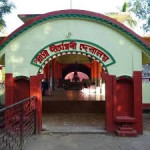
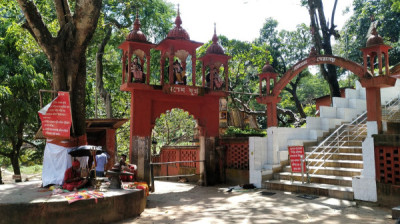
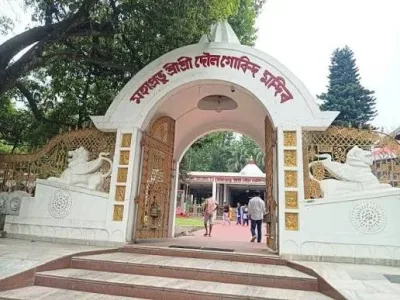
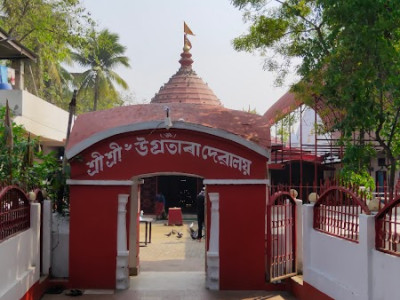
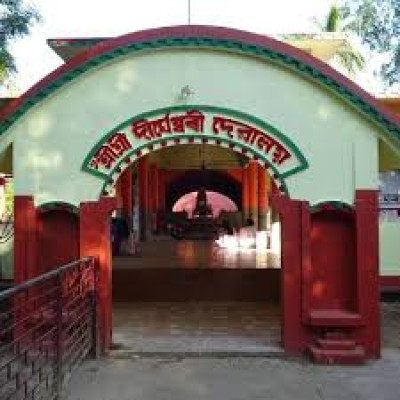
Often regarded by devotees as one of Assam's most significant Shakti shrines after Kamakhya Temple, Dirgheswari attracts pilgrims, history enthusiasts and visitors exploring the heritage of Guwahati. Its peaceful setting, distinctive underground sanctum and centuries-old stone carvings make it an interesting destination for anyone wishing to discover the spiritual and cultural history of Assam.
History of Dirgheswari Temple
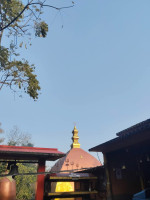
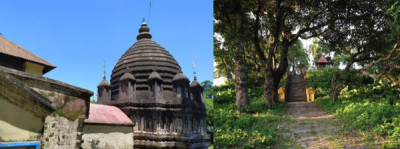
The present brick structure of Dirgheswari Temple is associated with the reign of Ahom King Swargadeo Siva Singha, who ruled from 1714 to 1744 CE. Historical accounts place its construction around 1737 CE, under the supervision of Ahom official Tarun Duwarah Barphukan. The temple's royal association reflects the importance given to religious institutions during the Ahom period.
An inscription at the temple records details connected with royal patronage and land grants for its maintenance. Later, Ahom King Swargadeo Rajeswar Singha is also associated with a visit and further grants to the shrine. Tradition states that a silver Japi, a ceremonial Assamese headgear, was offered to the temple and is used as a covering for the principal deity.
These historical associations make Dirgheswari Temple more than a place of worship. It is also a reminder of the Ahom rulers' contribution to Assam's religious and architectural heritage.
Religious and Mythological Significance
Dirgheswari Temple is dedicated to Goddess Durga and is closely connected with the Shakta tradition, in which the Divine Mother is worshipped as the supreme power. Local religious beliefs associate Sitachal Hill with the sacred geography of Goddess Sati and the wider Shakti Peetha tradition. The exact identification of the body part believed to have fallen here varies across accounts, so the association is best understood as a local tradition rather than a universally established historical fact.
Another legend connects the hill with Sage Markandeya, who is believed to have performed intense meditation and prayers at this location. According to local belief, Goddess Durga appeared to bless the sage. Rock surfaces bearing sacred footprints are also associated with the Goddess and are treated with reverence by devotees.
The temple is sometimes referred to in local traditions as Gupt Kamakhya. Such names reflect its spiritual relationship with the broader Shakti worship tradition of Assam.
The Mahishasura Rock Formation
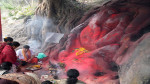
One of the distinctive features associated with Dirgheswari Temple is a natural rock formation near the temple area that resembles the severed head of Mahishasura, the buffalo demon from Hindu mythology. The story recalls the battle between Goddess Durga and Mahishasura, whose defeat represents the victory of divine power over evil.
In Hindu tradition, Goddess Durga is worshipped as Mahishasuramardini, the destroyer of Mahishasura. The rock formation is locally connected with this story and is a point of interest for visitors. It should be appreciated as a natural formation associated with religious belief rather than as archaeological proof of the mythological battle.
Ancient Rock-Cut Sculptures and Temple Architecture
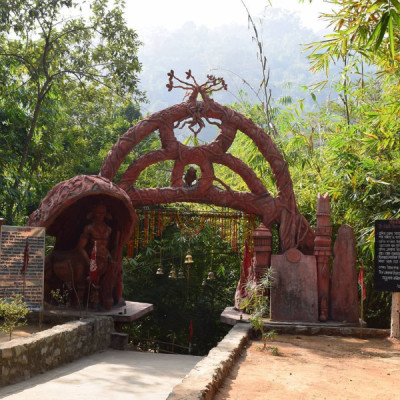
The temple surroundings are particularly interesting for their old rock carvings and sculptural remains. Images and engravings found across Sitachal Hill are generally associated with the early medieval period, with several accounts dating them to around the 10th to 12th centuries. These remains indicate that the hill was a significant religious location even before the construction of the present Ahom-era temple.
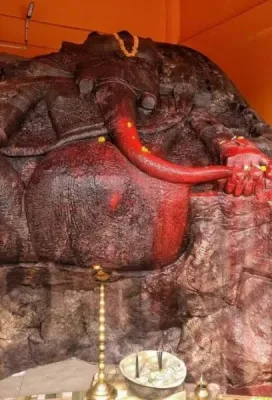
Among the notable carvings are depictions of Lord Ganesha, Lord Shiva, Hanuman and other Hindu figures. The large rock image of Lord Ganesha is one of the prominent features of the site. These sculptures offer a glimpse into the region's early artistic traditions and the development of Hindu worship in ancient Assam.
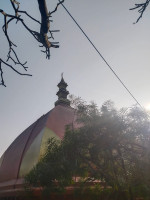
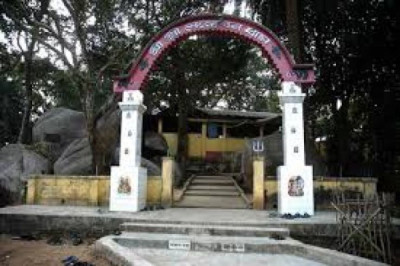
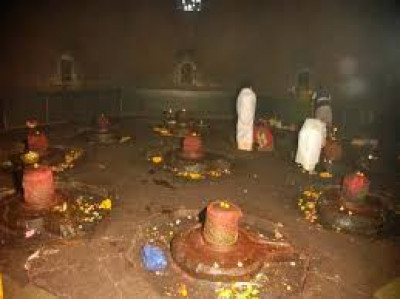
The inner sanctum, or garbha griha, is another unusual feature. It is situated below ground level in a compact, cave-like chamber, where the principal deity is worshipped. This arrangement, combined with the rocky landscape, gives the shrine a distinctive character.
Durga Puja and Other Festivals
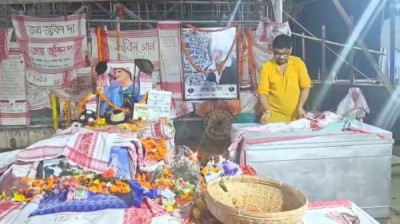
Durga Puja is the most important annual celebration at Dirgheswari Temple. During this period, devotees visit the shrine to offer prayers and participate in traditional religious ceremonies. The temple becomes especially active during the festival, which celebrates Goddess Durga's victory over Mahishasura.
Traditional rituals at the temple have included animal sacrifice, particularly during Durga Puja. Visitors should be aware that religious practices may differ from those at other temples and should approach the ceremonies respectfully. Navratri and Shivratri are also observed by devotees, although the scale and programme of celebrations can vary from year to year.
Location and Natural Surroundings
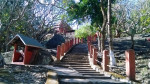
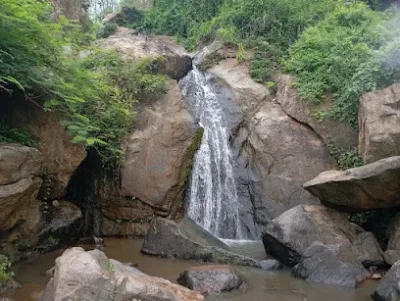
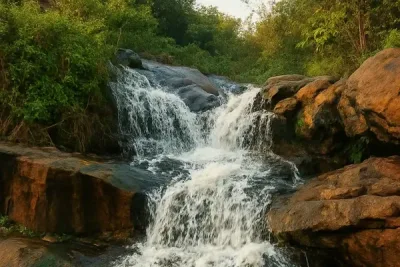
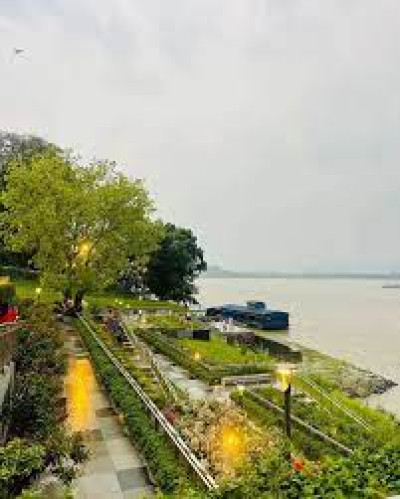
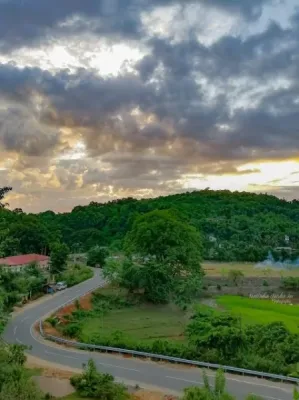
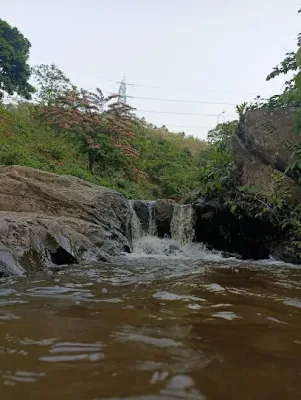
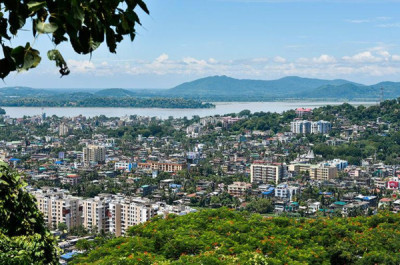
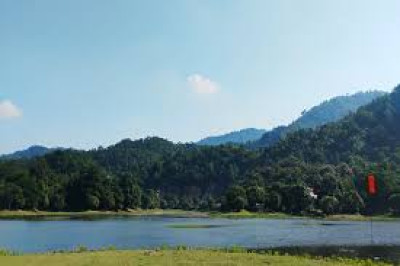
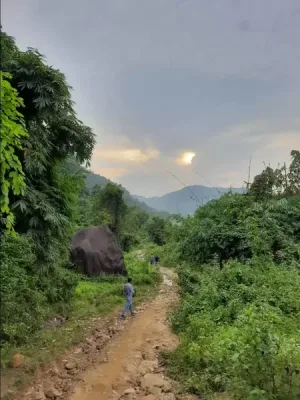
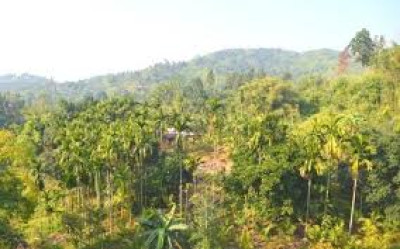
Dirgheswari Temple stands on Sitachal Hill in North Guwahati, across the Brahmaputra from the main city. Its elevated location offers a different perspective of the river and the surrounding landscape. The hill, trees and rocky terrain create a quieter environment compared with the busier parts of Guwahati.
The site is also associated with local accounts of the strategic importance of the surrounding river landscape during the Ahom period. One such tradition connects a nearby rock with Lachit Borphukan, the celebrated Ahom military commander, who is said to have observed movements on the Brahmaputra from the area. This association adds another layer to the site's historical interest.
Best Time to Visit Dirgheswari Temple
The months from October to March are generally the most comfortable for visiting Dirgheswari Temple. The weather is usually more pleasant during this period, making it suitable for temple visits, sightseeing and exploring the surrounding hill.
Durga Puja is a particularly meaningful time for devotees who wish to experience the temple's main annual celebration. Visitors looking for a quieter atmosphere may prefer ordinary weekdays outside major festivals. During the monsoon, rain can make hill roads and outdoor areas slippery, so extra care is advisable.
Temple access and sanctum arrangements may change during certain religious observances. It is sensible to confirm the current schedule locally before travelling.
How to Reach Dirgheswari Temple from Guwahati
Dirgheswari Temple is located in North Guwahati, on the opposite bank of the Brahmaputra River from the main city.
By Road: Visitors can travel from Guwahati to North Guwahati by road, using the available bridge connections and local roads. The distance is commonly quoted at around 30 km from central Guwahati, although the actual distance and journey time depend on the starting point and route. Private cars, taxis and app-based cab services, where available, can be used for the journey.
By Ferry: Another option is to cross the Brahmaputra using an operational ferry service, subject to its route and timetable. After reaching the North Guwahati side, visitors can hire a local taxi or auto-rickshaw to reach the temple. Ferry services can be affected by river conditions, weather and seasonal schedules, so check availability before setting out.
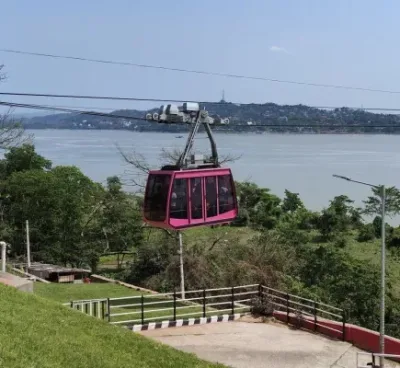
By Ropeway: The Guwahati ropeway connects the Guwahati and North Guwahati sides of the river. If the service is operating, visitors may use it to cross the Brahmaputra and then arrange local transport to the temple. Confirm operating status, ticket availability and onward transport before planning this route.
By Air and Rail: The nearest major airport is Lokpriya Gopinath Bordoloi International Airport in Guwahati. Guwahati Railway Station is the principal railhead for visitors arriving by train. From either location, travellers can continue to North Guwahati by road or by a suitable river-crossing connection.
Where to Stay Near Dirgheswari Temple
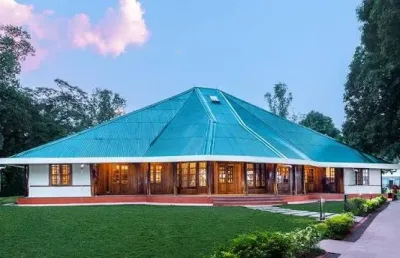
There are limited accommodation options immediately around the temple. Most visitors prefer to stay in Guwahati, where they can find budget hotels, guest houses, business hotels and higher-end properties. Paltan Bazaar, Pan Bazaar, Fancy Bazaar and other central areas offer a range of choices and access to transport.
Travellers who want to stay closer to the shrine can look for available guest houses and hotels in North Guwahati. It is advisable to check the exact location, recent guest reviews, transport arrangements and availability before booking, particularly during Durga Puja and other busy travel periods.
Why Visit Dirgheswari Temple?
Dirgheswari Temple is a rewarding destination for visitors interested in Assam's temples, Ahom history and traditional Shakti worship. Its underground shrine, ancient rock sculptures, connection with Goddess Durga and peaceful location overlooking the Brahmaputra distinguish it from many other religious sites around Guwahati.
Whether you are a pilgrim, a heritage enthusiast or a traveller exploring North Guwahati, a visit to Dirgheswari Devalaya offers an opportunity to experience an important part of Assam's spiritual and historical landscape.
Quick information table
| Attribute | Details |
|---|---|
| Name | Dirgheswari Temple (Dirgheswari Devalaya) |
| Location | Sitachal Hill, North Guwahati, Assam |
| District | Kamrup Metropolitan, Assam |
| Main Deity | Goddess Durga |
| Temple Type | Hindu Shakti shrine |
| River | Brahmaputra River |
| Historical Period | Ahom period |
| Royal Patron | Ahom King Swargadeo Siva Singha |
| Approximate Construction Period | 18th century |
| Famous For | Goddess Durga worship, ancient rock carvings and Ahom history |
| Important Festival | Durga Puja |
| Other Observances | Navratri and Shivratri |
| Best Time to Visit | October to March |
| Distance from Guwahati | Approximately 30 km by road; route-dependent |
| Nearest City | Guwahati |
| Entry Fee | No regular entry fee is generally reported; confirm locally |
| Visiting Hours | Commonly reported as early morning to evening; confirm current temple timings |
| How to Reach | Road, or river crossing followed by local road transport |
| Accommodation | Hotels and guest houses in Guwahati and North Guwahati |
FAQs on Dirgheswari Temple
Q1. Where is Dirgheswari Temple located in Assam?
Dirgheswari Temple is located on Sitachal Hill in North Guwahati, on the northern bank of the Brahmaputra River in Assam. It can be reached from Guwahati by road or by crossing the river and arranging local transport.
Q2. Which goddess is worshipped at Dirgheswari Temple?
The temple is dedicated to Goddess Durga and is an important centre of Shakti worship in Assam. Devotees visit the shrine throughout the year to offer prayers and seek the blessings of the Goddess.
Q3. Who built Dirgheswari Temple?
The present brick temple is associated with Ahom King Swargadeo Siva Singha, who ruled from 1714 to 1744 CE. It is generally believed to have been constructed around 1737 CE under the supervision of Ahom official Tarun Duwarah Barphukan.
Q4. Why is Dirgheswari Temple famous?
Dirgheswari Temple is known for its religious significance, Ahom-era history, underground sanctum and ancient rock-cut sculptures. The natural rock formation associated with Mahishasura and the temple's Durga Puja celebrations are also notable attractions.
Q5. Is Dirgheswari Temple considered a Shakti Peeth?
The temple is regarded by local devotees as an important Shakti shrine and is associated with the Shakti Peetha tradition. However, accounts differ about its exact mythological identification and the sacred body part believed to be connected with the site.
Q6. What is the best time to visit Dirgheswari Temple?
October to March is generally the most comfortable period to visit because the weather is more suitable for sightseeing. Durga Puja is an especially significant time for devotees, although the temple may be busier than usual.
Q7. How far is Dirgheswari Temple from Guwahati?
The temple is commonly described as approximately 30 km from central Guwahati by road. The actual distance depends on your starting point and chosen route. A river crossing followed by local transport may provide an alternative.
Q8. Can visitors reach Dirgheswari Temple by ferry or ropeway?
Visitors may be able to cross the Brahmaputra by ferry or the Guwahati ropeway, depending on current operating schedules. From the North Guwahati side, local taxis or auto-rickshaws can be used to continue to the temple. Check service availability before travelling.
Q9. What are the temple timings and is there an entry fee?
The temple is commonly reported to open early in the morning and remain accessible into the evening. No regular entry fee is generally reported. However, opening hours, access arrangements and special festival schedules can change, so confirm them locally before visiting.
Q10. Are hotels available near Dirgheswari Temple?
There are limited accommodation choices immediately around the temple. Visitors can find a wider selection of hotels and guest houses in Guwahati, including areas such as Paltan Bazaar, Pan Bazaar and Fancy Bazaar. North Guwahati may also offer options closer to the shrine.