In Depth
Location of Ugratara Temple
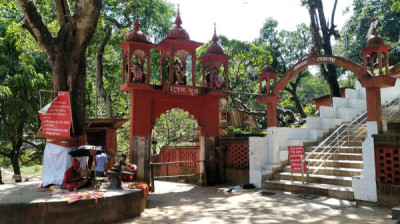
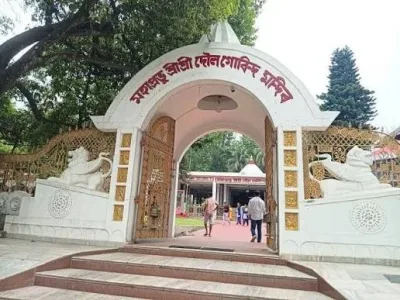
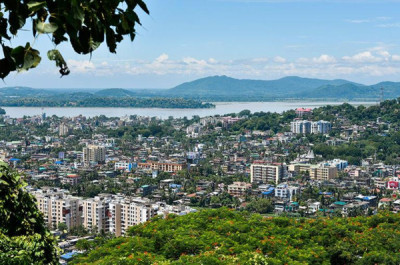
The temple is located in the eastern part of central Guwahati and is easily accessible from major parts of the city. Its location near the Brahmaputra and Jor Pukhuri makes it an interesting destination for visitors exploring Guwahati's religious heritage.
Ugratara Temple is especially distinctive because the principal object of worship inside the sanctum is not a conventional statue. Instead, a small water-filled natural pit is revered as the manifestation of the goddess.
History of Ugratara Temple
The present Ugratara Temple was constructed in 1725 AD during the reign of Ahom King Siva Singha. The temple became an important centre of Shakti worship in the region and has continued to attract devotees for generations.
The temple building suffered substantial damage during the great Assam earthquake of 1897, particularly affecting its upper portion. It was subsequently repaired and modified, and the present structure reflects these later restoration efforts.
The nearby Jor Pukhuri tanks are also connected with the history of the temple. According to the Guwahati Metropolitan Development Authority, the twin ponds were created during the reign of Siva Singha to meet the water requirements of Ugratara Temple and were historically connected with the Brahmaputra through the Naojan channel.
Mythology and Religious Significance
Ugratara Temple is associated with Goddess Ugratara, a powerful form of the divine mother within Shakti traditions. Assam Tourism identifies the temple as an important Shakti Peetha and records the belief that the navel of Goddess Sati fell at this location.
Like many ancient pilgrimage sites, the temple's history is closely connected with religious traditions and legends. The belief surrounding Sati's body parts is an important part of the temple's spiritual identity, while different traditions have also associated Ugratara with tantric forms of worship.
The temple is therefore significant not only for regular devotees but also for visitors interested in the religious traditions, mythology and spiritual heritage of Assam.
The Sacred Sanctum of Ugratara Temple
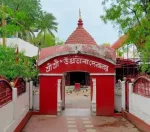
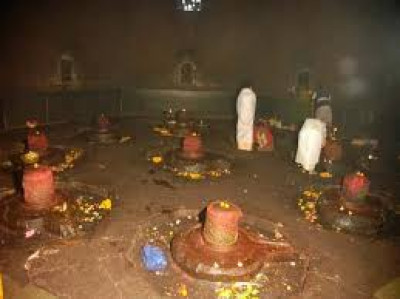
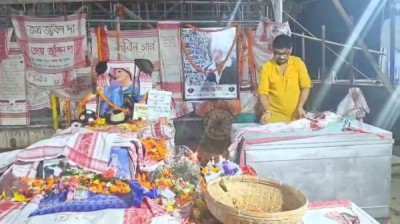
One of the most unusual features of Ugratara Temple is its garbhagriha, or inner sanctum. Unlike many Hindu temples where the principal deity is represented by a carved or sculpted idol, Ugratara is worshipped here through a small pit filled with water.
The sacred water-filled pit is covered and decorated according to temple traditions and is regarded by devotees as the presence of Goddess Ugratara. This distinctive form of worship gives the temple a character that differs from many other Shakti shrines.
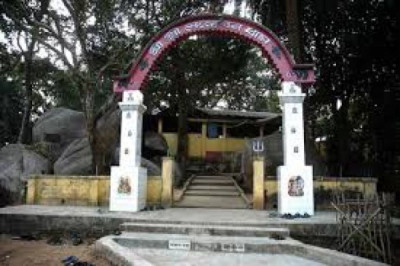
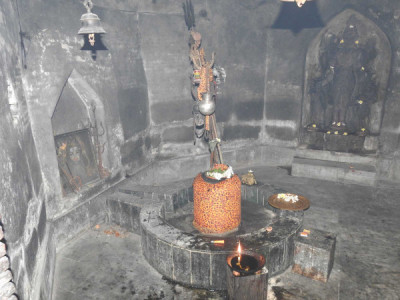
There is also a Shiva shrine beside the main Ugratara Temple, creating an additional connection between the worship of the Goddess and Lord Shiva.
Jor Pukhuri and Ugratara Temple
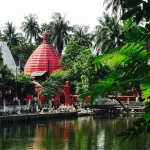
The historic Jor Pukhuri is one of the most recognizable features near Ugratara Temple. The name refers to the pair of adjoining water bodies located beside the temple.
The tanks have historical links with the Ahom period and were originally associated with the water requirements of the temple. The area has since been developed as a public recreational space, with pathways, landscaping, lighting and facilities for visitors.
The Guwahati Metropolitan Development Authority states that the Jor Pukhuri redevelopment was opened in January 2023 and includes facilities intended to improve the visitor experience while conserving the ponds and their surrounding environment.
Visitors can combine a temple visit with a walk around the Jor Pukhuri area, where birds, turtles and other features of the pond environment can be observed.
Architecture and Temple Features
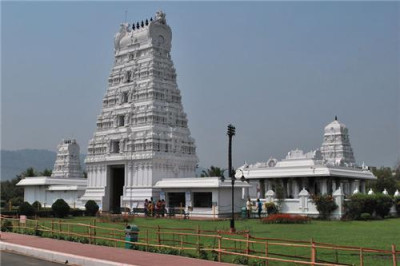
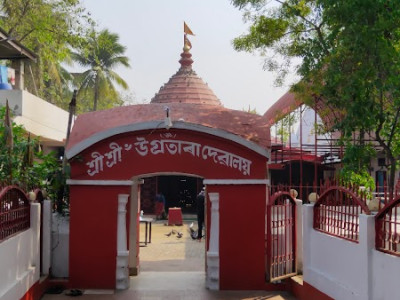
The present Ugratara Temple reflects traditional Assamese religious architecture and the history of several periods of repair and modification. The original structure dates to the 18th-century Ahom period, while later restoration changed parts of the building after earthquake damage.
The temple's relatively compact setting, sacred sanctum, adjoining Shiva shrine and nearby historic ponds create a distinctive religious landscape within urban Guwahati.
What to See at Ugratara Temple?
The Sacred Water-Filled Sanctum
The main attraction is the garbhagriha where the goddess is represented by a sacred water-filled pit rather than a conventional idol. This is one of the most distinctive aspects of Ugratara worship.
Ugratara Temple Structure
Visitors can observe the temple's traditional architectural elements and the later modifications that followed damage to the original upper structure.
Adjacent Shiva Temple
A Shiva shrine stands beside the main temple. Its presence reflects the close religious relationship between Goddess Ugratara and Lord Shiva in Hindu traditions.
Jor Pukhuri
The twin ponds immediately beside the temple are an important historical and visual feature. The renovated surroundings provide an opportunity for a short walk after visiting the shrine.
Religious Atmosphere
Ugratara remains an active place of worship, so visitors can experience regular prayers, offerings and other religious activities depending on the time of their visit.
Festivals at Ugratara Temple
Navratri is one of the major religious occasions associated with Ugratara Temple. During the festival period, devotees visit the shrine to offer prayers and seek blessings from the goddess.
The temple also attracts visitors during other important Hindu religious occasions. Special worship and traditional rituals can make the temple considerably busier during festival periods.
Historical accounts of the temple also describe traditional Tantric practices and sacrificial rituals associated with certain festival observances. These practices are part of the temple's documented religious tradition, but visitors should not assume that every historical ritual occurs in the same form today.
Temple Timings and Entry Fee
Commonly published visiting hours for Ugratara Temple are approximately 6:00 AM to 1:00 PM and 5:30 PM to 8:00 PM.
The temple generally does not charge an admission fee. Visitors should remember that worship services, special pujas and festival arrangements can follow different schedules.
It is advisable to confirm the current temple timings before travelling, particularly if you are planning an early morning visit or attending a specific religious ceremony.
Best Time to Visit Ugratara Temple
Ugratara Temple can be visited throughout the year. October to March is generally comfortable for exploring Guwahati and visiting nearby attractions.
Navratri is an important period for devotees who want to experience the temple during a major religious festival. However, visitor numbers can increase considerably during festival days.
For a quieter experience, early morning or the evening after the temple reopens can be preferable. A visit to Jor Pukhuri can also be combined with the temple, particularly when the weather is comfortable.
How to Reach Ugratara Temple from Guwahati?
By Road: Ugratara Temple is centrally located at Uzan Bazar and can be reached easily by taxi, app-based cab, auto-rickshaw, city bus or private vehicle.
Visitors can travel towards Uzan Bazar and continue towards the Jor Pukhuri area. The temple is situated close to the western side of the twin ponds.
By Local Transport: Local buses and auto-rickshaws connect Uzan Bazar with different parts of Guwahati. App-based taxis are another convenient option, particularly for visitors travelling from hotels, the railway station or other tourist attractions.
Parking immediately beside the temple can be limited during busy periods, so visitors may need to park a short distance away and walk to the shrine.
By Train: Guwahati Railway Station is the nearest major railway station. From the station, visitors can hire an auto-rickshaw, taxi or app-based cab to reach Uzan Bazar.
By Air: Visitors arriving at Lokpriya Gopinath Bordoloi International Airport can hire a prepaid taxi or app-based cab to travel to Uzan Bazar.
The airport is outside central Guwahati, so travel time depends on traffic and the selected route.
Where to Stay Near Ugratara Temple?
Because Ugratara Temple is located within Guwahati city, visitors have many accommodation choices nearby. Hotels and guest houses are available around Uzan Bazar, Pan Bazar, Paltan Bazar, Fancy Bazar and other central areas.
Staying in central Guwahati is convenient for travellers who want to visit Ugratara along with Kamakhya Temple, Umananda Temple, Sukreswar Temple, Navagraha Temple and other attractions.
Places to Visit Near Ugratara Temple
Ugratara Temple can easily be included in a Guwahati temple and heritage itinerary. Nearby attractions include Jor Pukhuri, Dighalipukhuri, Assam State Museum, Nehru Park and other central Guwahati landmarks.
Visitors interested in religious tourism can also visit Kamakhya Temple, Umananda Temple, Sukreswar Temple and Navagraha Temple during their stay in Guwahati.
Travel Tips for Visitors
Dress respectfully because Ugratara is an active place of worship.
Follow temple rules regarding photography and entry into restricted areas.
Keep the temple premises and Jor Pukhuri surroundings clean.
Avoid disturbing birds and other animals around the ponds.
During Navratri and other festivals, expect larger crowds.
Confirm temple timings if you are planning to attend a specific puja.
If you are visiting Jor Pukhuri Park separately, check its current opening hours and entry rules because the park has its own visitor timings and ticket arrangements.
Why Visit Ugratara Temple?
Ugratara Temple is one of Guwahati's important Shakti shrines and offers visitors an opportunity to experience a distinctive form of Goddess worship. Its 18th-century Ahom history, connection with Shakti traditions and unusual water-filled sanctum make it different from many conventional temples.
The nearby Jor Pukhuri adds historical and scenic interest to the visit, while the temple's location in Uzan Bazar makes it convenient to combine with other Guwahati attractions.
For travellers interested in Assam's religious heritage, Ahom history, mythology and traditional worship, Ugratara Temple provides a meaningful cultural experience in the heart of Guwahati.
Quick Info About Ugratara Temple
| Information | Details |
|---|---|
| Tourist Place | Ugratara Temple |
| Also Known As | Sri Sri Ugratara Devalaya |
| Location | Uzan Bazar, Guwahati, Assam |
| Address Area | Lamb Road, Uzan Bazar |
| District | Kamrup Metropolitan |
| Main Deity | Goddess Ugratara |
| Religious Tradition | Shaktism |
| Temple Type | Shakti Shrine |
| Construction | 1725 AD |
| Ahom King | Siva Singha |
| Major Festival | Navratri |
| Nearby Landmark | Jor Pukhuri |
| Sanctum | Sacred water-filled pit |
| Adjacent Shrine | Shiva Temple |
| Timings | Commonly 6:00 AM-1:00 PM and 5:30 PM-8:00 PM |
| Temple Entry | Generally free |
| Best Time | October to March |
| Nearest Railway Station | Guwahati Railway Station |
| Nearest Airport | Lokpriya Gopinath Bordoloi International Airport |
| Recommended Duration | 1-2 hours |
| Main Access | Road and local transport |
FAQs About Ugratara Temple, Guwahati
Where is Ugratara Temple located?
Ugratara Temple is located on Lamb Road in Uzan Bazar, Guwahati, Assam, beside the historic Jor Pukhuri twin ponds.
Which goddess is worshipped at Ugratara Temple?
Goddess Ugratara is the principal deity worshipped at the temple. She is regarded as a powerful form of the divine mother in Shakti traditions.
When was Ugratara Temple built?
The present Ugratara Temple was constructed in 1725 AD during the reign of Ahom King Siva Singha. The temple was later repaired after earthquake damage.
Is Ugratara Temple a Shakti Peetha?
Ugratara is recognised by Assam Tourism as an important Shakti Peetha, with the traditional belief that the navel of Goddess Sati fell at this location.
Does Ugratara Temple have an idol of Goddess Ugratara?
The main sanctum does not contain a conventional idol. Instead, a small pit filled with water is worshipped as the manifestation of Goddess Ugratara.
What are the timings of Ugratara Temple?
The commonly published timings are approximately 6:00 AM to 1:00 PM and 5:30 PM to 8:00 PM. Visitors should confirm the current schedule because timings can change during festivals and special ceremonies.
What is Jor Pukhuri near Ugratara Temple?
Jor Pukhuri is a pair of historic ponds located beside Ugratara Temple. The ponds were developed during the Ahom period and were historically connected with the temple's water requirements.
What is the best time to visit Ugratara Temple?
October to March is generally comfortable for sightseeing in Guwahati. Navratri is an important period for devotees, while early morning or evening can provide a quieter temple experience.
How can I reach Ugratara Temple from Guwahati Railway Station?
The temple can be reached from Guwahati Railway Station by taxi, auto-rickshaw or app-based cab. Uzan Bazar is well connected with central Guwahati.
Is entry to Ugratara Temple free?
The temple generally does not charge an admission fee. However, visitors should distinguish the temple from Jor Pukhuri Park, which has its own entry rules and charges.
Conclusion
Ugratara Temple is a historic and spiritually important shrine in Uzan Bazar, Guwahati. Built during the Ahom period in 1725, the temple is associated with Goddess Ugratara and is particularly notable for its water-filled sanctum instead of a conventional deity statue.
Its connection with Shakti traditions, the historic Jor Pukhuri ponds, traditional religious practices and central Guwahati location make Ugratara Temple an important destination for anyone exploring the spiritual and cultural heritage of Assam.