In Depth
The city was historically known as Pragjyotishpura and served as an important center of the ancient Kamarupa kingdom. Today, it continues to attract travelers from across India due to its strategic location, cultural richness and easy connectivity.
Historical and Cultural Significance
Guwahati has deep mythological and historical roots. According to legends, it is associated with Narakasura, an ancient ruler mentioned in Hindu scriptures. The city has been an important religious and cultural hub for centuries.
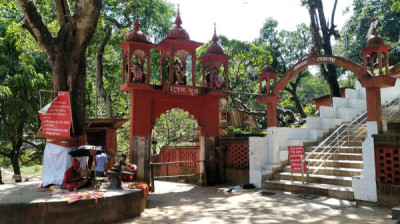
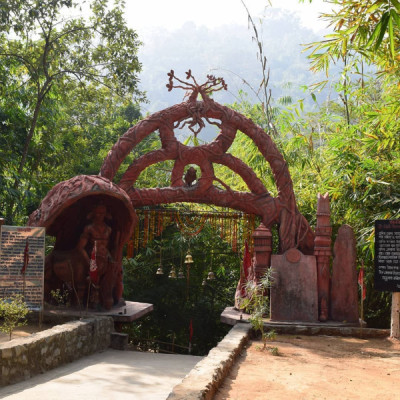
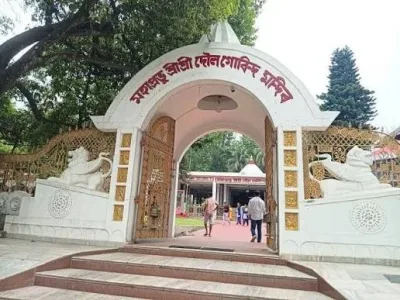
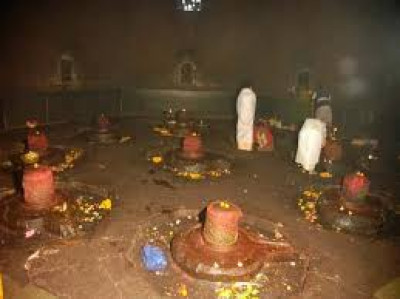
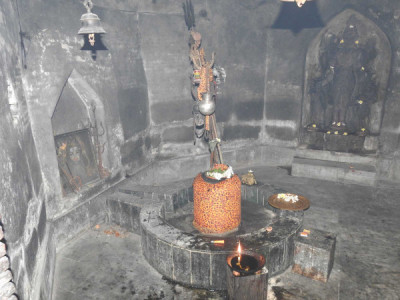
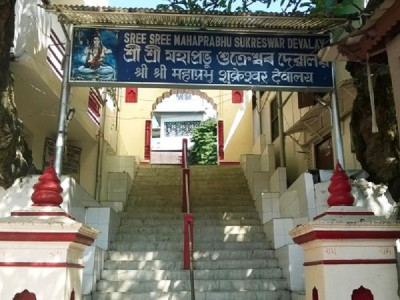
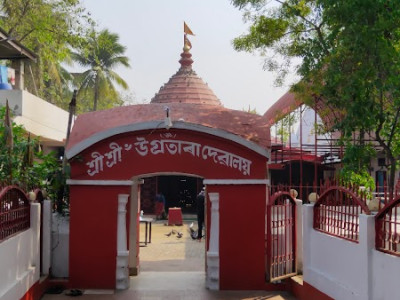
It is famously known as the "City of Temples" because of the presence of several ancient shrines. The most prominent among them is the sacred Kamakhya Temple, one of the most powerful Shakti Peethas in India. Located atop Nilachal Hill, this temple attracts lakhs of devotees, especially during the Ambubachi Mela.
Other important temples include:
- Umananda Temple, located on a small island in the Brahmaputra
- Navagraha Temple, associated with ancient astronomy
- Basistha Temple, known for its peaceful natural surroundings
These religious sites highlight the spiritual depth of Guwahati and make it a must-visit destination for pilgrims.
Geography and Natural Beauty
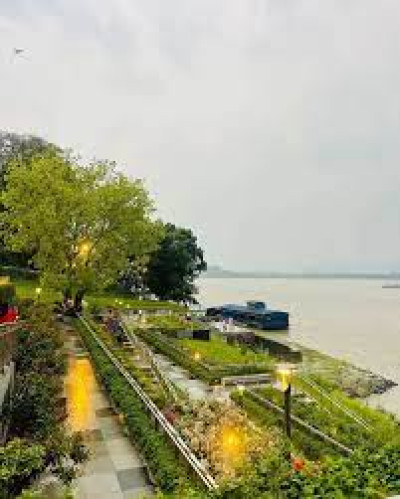
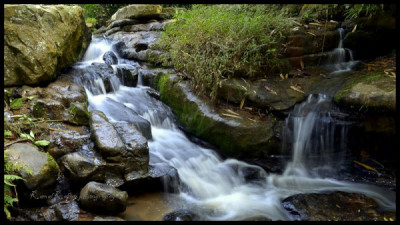
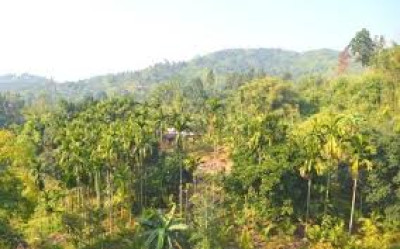
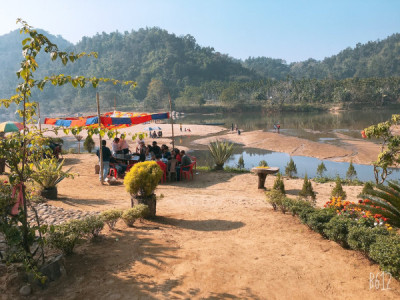
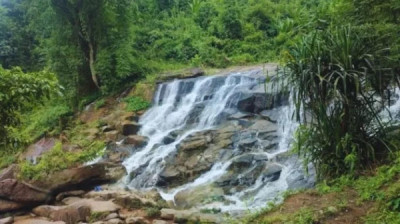
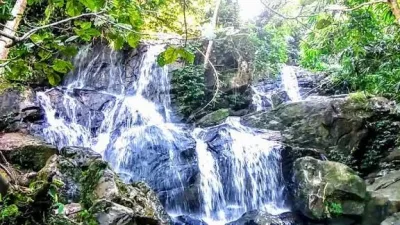
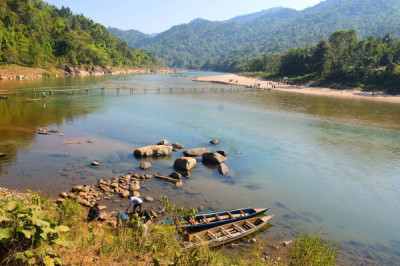
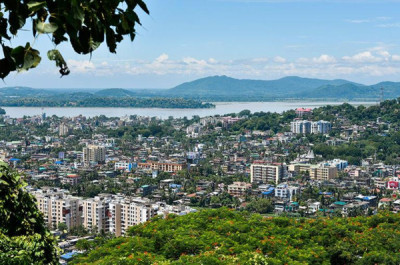
Guwahati is surrounded by hills and lush greenery, creating a scenic environment for visitors. The Brahmaputra River flows alongside the city, offering breathtaking views, especially during sunrise and sunset.
One of the most unique attractions near the city is Peacock Island, considered the smallest inhabited river island in the world. It is home to the Umananda Temple and offers a peaceful escape from the city.
Nature lovers can also explore Dipor Bil, a freshwater lake known for birdwatching and natural beauty. The city also serves as a base for exploring nearby wildlife destinations.
Top Places to Visit in Guwahati
1. Kamakhya Temple
The most iconic attraction in Guwahati, Kamakhya Temple is a major pilgrimage center dedicated to Goddess Kamakhya. The temple's spiritual aura and unique rituals make it one of the most visited sites in Northeast India.
2. Umananda Temple
Located on Peacock Island, this temple offers a rare combination of spirituality and scenic beauty. A ferry ride to the island adds to the overall experience.
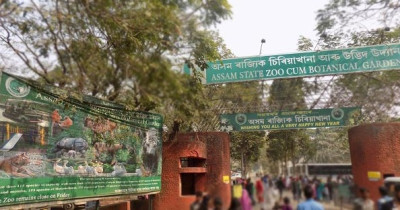
3. Assam State Zoo and Botanical Garden
One of the best places for families, this zoo houses various animals including rhinos, leopards and exotic birds. The adjoining botanical garden enhances the natural charm.
4. Fancy Bazaar and Paltan Bazaar
These markets are perfect for shopping lovers. Visitors can buy traditional Assamese handicrafts, silk products and local items.
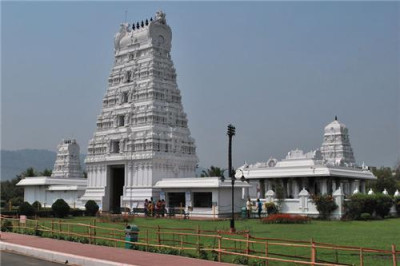
5. Navagraha Temple
Situated on Chitrachal Hill, this temple is dedicated to the nine celestial bodies and holds astronomical significance.
Nearby Attractions
Guwahati is well connected to several major tourist destinations in Assam:
- Kaziranga National Park – Famous for one-horned rhinoceros
- Shillong – Known as the Scotland of the East
- Pobitora Wildlife Sanctuary – High density of rhinos
- Hajo – A multi-religious pilgrimage site
- Sualkuchi – Silk weaving village
How to Reach Guwahati
By Air
Guwahati is served by Lokpriya Gopinath Bordoloi International Airport, which is well connected to major cities like Delhi, Mumbai, Kolkata and Bangalore.
By Rail
The city has a major railway station with regular trains connecting it to different parts of India.
By Road
Guwahati is connected through national highways, making it easily accessible by buses and private vehicles from nearby states.
Where to Stay in Guwahati
Guwahati offers a wide range of accommodation options for all types of travelers. From luxury resorts to budget hotels, visitors can find comfortable stays across the city.
Some popular stay options include:
- Luxury resorts near Sonapur and outskirts
- Mid-range hotels in GS Road and Paltan Bazaar
- Budget hotels near railway station
Travelers visiting nearby wildlife destinations can also choose resorts in Kaziranga and Pobitora for a more nature-focused experience.
Best Time to Visit Guwahati
The best time to visit Guwahati is between October and April. During this period, the weather remains pleasant and ideal for sightseeing, temple visits and outdoor activities.
Monsoon season (June to September) brings heavy rainfall, while summers can be humid.
Conclusion
Guwahati is more than just a city; it is a blend of spirituality, history and modern life. Whether you are a pilgrim, nature lover or cultural explorer, this destination offers something for everyone. With its rich heritage, scenic beauty and excellent connectivity, Guwahati stands as the perfect starting point to explore Northeast India.
Quick Info Table On Guwahati
| Category | Details |
|---|---|
| Location | Assam, India |
| Known As | Gateway to Northeast India |
| Famous For | Temples, Brahmaputra River, Culture |
| Best Time to Visit | October to April |
| Nearest Airport | Lokpriya Gopinath Bordoloi International Airport |
| Railway Station | Guwahati Railway Station |
| Major Attractions | Kamakhya Temple, Umananda Temple, Assam State Zoo |
| Ideal Trip Duration | 2 to 4 Days |
| Language | Assamese, Hindi, English |
| Nearby Destinations | Kaziranga, Shillong, Pobitora |
FAQs on Guwahati