In Depth
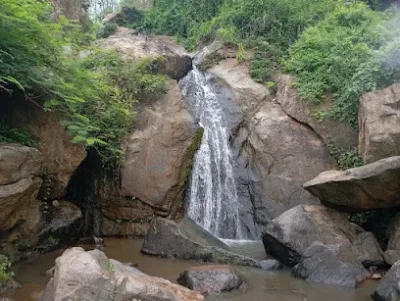
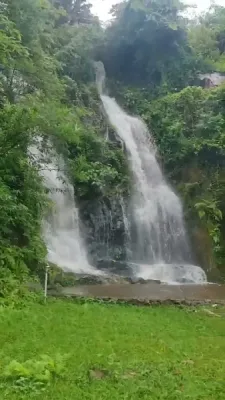
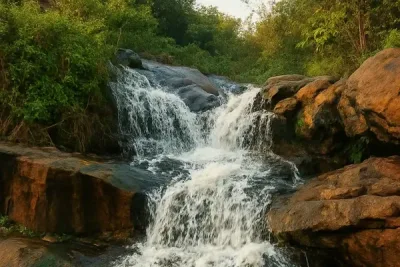
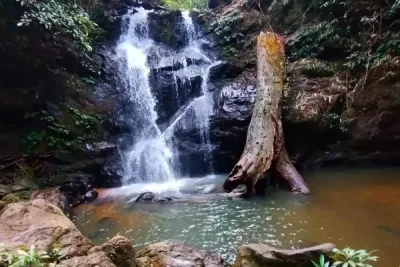
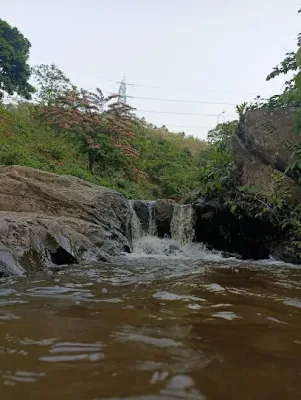
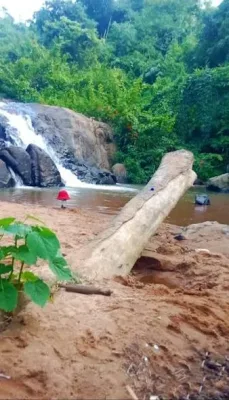
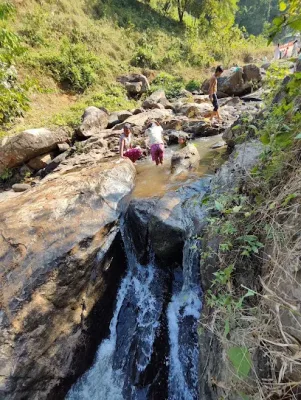
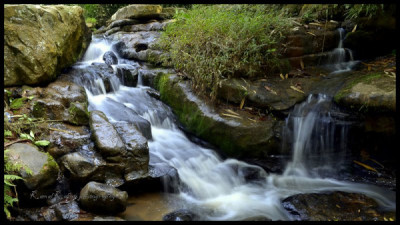
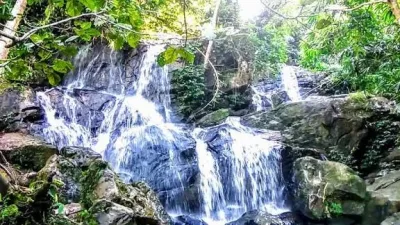
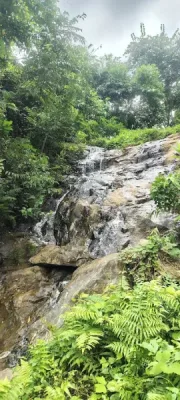
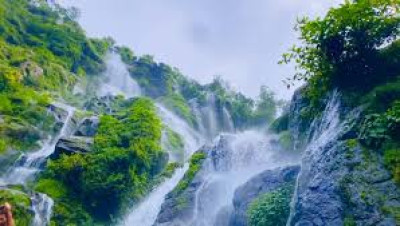
The waterfall is characterised by water flowing down rocky slopes and forming small cascades and natural pools along the way. Its surroundings create a peaceful setting where visitors can enjoy the sound of running water, observe the forest landscape and spend time in nature. During periods of good water flow, the cascading water and surrounding greenery make the location particularly attractive for photography and outdoor exploration.
What to See and Do
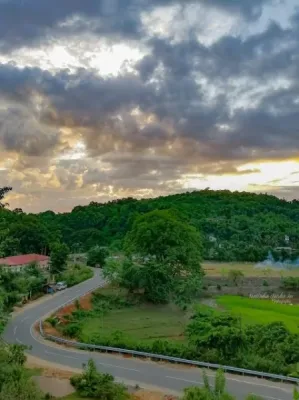
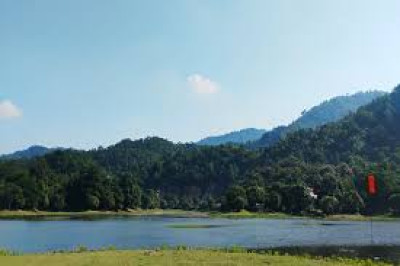
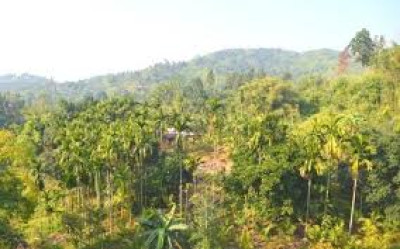
One of the appealing aspects of Nepal Dhara Waterfall is its natural setting near the Rani forest landscape. The area features trees, rocky surfaces, vegetation and uneven trails that give the visit a sense of adventure. Unlike developed tourist attractions with extensive visitor facilities, this location is better suited to people who appreciate relatively simple nature experiences. The forest environment and streamside scenery offer a chance to enjoy a quieter side of Assam.
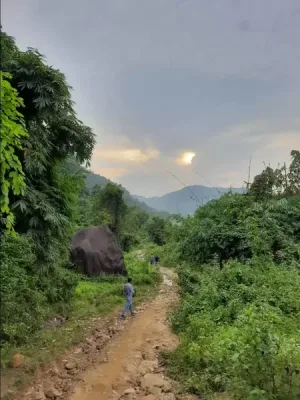
Reaching the waterfall may involve a short walk from the nearest accessible road or parking point. Depending on the selected approach and weather conditions, some sections can require walking over uneven or rocky ground. Visitors should wear comfortable trekking shoes with a good grip and avoid rushing along wet surfaces. The trail may become slippery during the rainy season, so extra care is necessary when approaching the stream and waterfall.
Best Time to Visit
The monsoon season, generally from June to September, can bring stronger water flow and lush vegetation to the surrounding landscape. During this period, the waterfall may appear more impressive, with water cascading over the rocks and the forest becoming greener. However, heavy rainfall can also increase the risks associated with slippery paths, sudden changes in stream levels and difficult access. Visitors should avoid approaching the water during heavy rain or when currents are strong. Checking local weather and access conditions before travelling is essential.
The winter months from November to February offer a different experience. The weather is usually more comfortable for walking and exploring the surrounding landscape, making this period suitable for visitors who prefer a relaxed outdoor trip. Water flow may be lower than during the monsoon, and the appearance of the waterfall can vary depending on recent rainfall. Winter is generally a practical choice for those planning a nature outing from Guwahati without the challenges of heavy monsoon conditions.
Nepal Dhara Waterfall is also attractive to photography enthusiasts. The combination of flowing water, rocky formations, green vegetation and forest scenery provides opportunities for nature and landscape photography. Visitors can capture the cascade from safe viewpoints and observe how sunlight changes the appearance of the surrounding landscape. Early visits during daylight can offer a quieter experience, although actual crowd levels depend on weekends, holidays and local visitor activity.
For people interested in short trekking and outdoor recreation, the approach to Nepal Dhara can be part of the experience. Walking through the natural surroundings allows visitors to observe local vegetation, small water channels and the varied terrain of the Rani landscape. The walk should be treated as a nature trail rather than a marked adventure route unless local authorities confirm otherwise. Visitors unfamiliar with the area should seek guidance from local residents and avoid exploring unmarked paths alone.
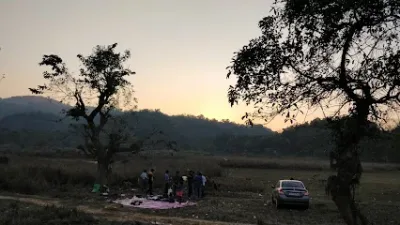
The waterfall can also be considered for a small group outing or picnic, provided local rules permit such activities. Visitors should not assume that designated picnic platforms, food stalls, toilets or organised facilities are available at the site. It is advisable to carry drinking water, snacks, basic supplies and a small bag for collecting personal waste. Cooking or lighting fires should be avoided unless specifically permitted in a designated area.
The Rani region is known for its forested surroundings and natural landscapes, making it an interesting area for people exploring nature destinations around Guwahati. Visitors can combine a trip to Nepal Dhara with other locally accessible attractions in the wider region, depending on road conditions and available time. However, the waterfall's exact access route should be confirmed before adding other destinations to the itinerary, particularly because different references associate the name Nepal Dhara with more than one location.
Travelling to Nepal Dhara Waterfall from Guwahati is generally planned as a road excursion. The journey towards the Rani area takes visitors away from the central city and into a greener landscape. Private cars and hired taxis are convenient options, especially for groups carrying food, water and other supplies. Public transport may be available towards parts of the Rani region, but the final approach to the waterfall may require local transport and walking. Confirm the precise route with a local contact before departure rather than relying only on the waterfall name in online maps.
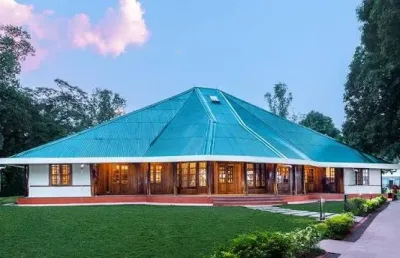
There are no major hotels or established luxury resorts directly beside the waterfall according to the supplied travel references. Most visitors are likely to plan a day trip and return to Guwahati, where a wider range of budget hotels, guesthouses, homestays and premium accommodation is available. Staying in Guwahati is therefore a convenient option for travellers who want to explore Nepal Dhara along with other attractions around the city.
Visitors should follow responsible travel practices to protect the forest and stream environment. Avoid leaving plastic bottles, food packaging or other waste behind. Do not damage plants, disturb wildlife or create unnecessary noise in the forest. Swimming in natural pools should be avoided unless the depth, current and safety of the water have been properly assessed. Rocks around waterfalls can be slippery even when they appear dry, and children should always be supervised near water.
Nepal Dhara Waterfall offers an appealing combination of forest scenery, flowing water and outdoor exploration for travellers interested in lesser-known natural attractions in Assam. Its proximity to Guwahati makes it a possible day-trip destination for nature lovers, photographers and people who enjoy short walks through green surroundings. With suitable preparation, attention to local access conditions and respect for the natural environment, a visit to Nepal Dhara can provide a refreshing experience in the Rani region of Assam.
Where to stay near Nepal Dhara Waterfall
According to your reference material, there are no major hotels or commercial resorts directly beside the waterfall. Staying in Guwahati is the more practical option, with a day trip to the waterfall and a return to the city.
How to reach Nepal Dhara Waterfall from Guwahati
By Road
Nepal Dhara Waterfall is described in the supplied references as being approximately 35-40 km from Guwahati in the Rani area of Kamrup district. Visitors can travel by private vehicle or hire a taxi towards Rani and continue to the locally identified waterfall access point. The final stretch may involve a short walk through forested or rocky terrain.
By Bus or Shared Transport
Visitors can enquire about buses or shared vehicles travelling from Guwahati towards Rani. Depending on the actual access point, additional local transport may be needed to reach the starting point of the walking trail. Confirm return transport in advance, particularly if you plan to visit later in the day.
By Train
Guwahati Railway Station is the main railhead for visitors arriving from other cities. From the station, hire a taxi or use local transport to travel towards the Rani area.
By Air
Lokpriya Gopinath Bordoloi International Airport is the nearest major airport. Visitors can hire a taxi from the airport towards Rani and the waterfall access point.
Important Route Advisory
The name Nepal Dhara appears in references associated with both Rani and the Khanapara/Pathar Quarry side of Guwahati. These descriptions may refer to different locations. Confirm the exact map pin, road approach and local access permission before travelling. Do not enter quarry premises, restricted forest areas or closed trails without authorisation.
Travel Tips
Start early and plan to return before dark.
Wear trekking shoes with good grip.
Carry drinking water and basic first-aid supplies.
Avoid visiting during heavy rainfall or when stream levels are high.
Check whether local gates or access points have restricted opening hours.
Do not assume that food stalls, toilets or parking facilities are available at the waterfall.
Quick information table
| Particulars | Details |
|---|---|
| Tourist Place | Nepal Dhara Waterfall |
| Location | Rani area, Kamrup district, Assam |
| Nearby Natural Area | Rani Reserve Forest |
| Distance from Guwahati | Approximately 35-40 km, depending on the starting point and route |
| Popular For | Natural waterfall, forest surroundings, short trekking and photography |
| Natural Features | Rocky slopes, flowing water, greenery and natural pools |
| Best Time to Visit | June to September for stronger water flow; November to February for more comfortable weather |
| Ideal Trip Duration | Half-day or full-day excursion |
| Activities | Nature walks, short trekking, photography and picnicking where permitted |
| Trek Difficulty | Short walk or moderate trail; conditions vary with weather |
| Entry Fee | Not confirmed; check locally |
| Visiting Hours | Visit during daylight; confirm local access restrictions |
| Nearest Major City | Guwahati |
| How to Reach | Road journey from Guwahati followed by a local approach and forest walk |
| Accommodation | Hotels and guesthouses in Guwahati |
| Ideal For | Nature lovers, photographers, trekkers and small groups |
FAQs about Nepal Dhara Waterfall
1. Where is Nepal Dhara Waterfall located in Assam?
Nepal Dhara Waterfall is described in the supplied references as being in the Rani region of Kamrup district, Assam, near the forested landscape of Rani Reserve Forest. Confirm the exact access point before travelling because some references mention a different location near Khanapara.
2. How far is Nepal Dhara Waterfall from Guwahati?
The Rani-area location is approximately 35-40 km from Guwahati, depending on the starting point and road route.
3. What is Nepal Dhara Waterfall famous for?
Nepal Dhara is known for its natural cascades, rocky slopes, forest surroundings, green landscape and opportunities for short nature walks and photography.
4. What is the best time to visit Nepal Dhara Waterfall?
June to September generally brings stronger water flow and greener surroundings. November to February offers more comfortable weather for walking and outdoor exploration. Avoid visiting during heavy rainfall.
5. Is Nepal Dhara Waterfall suitable for trekking?
The approach may involve a short walk or moderate trail over uneven and rocky ground. Proper footwear and caution are recommended, especially during wet weather.
6. Can I visit Nepal Dhara Waterfall with my family?
Families can consider a visit if the access route and weather conditions are suitable. Children should be supervised closely around the stream, rocks and slippery sections.
7. Is Nepal Dhara Waterfall a good picnic spot near Guwahati?
The natural surroundings may suit a small outdoor outing, but visitors should check local rules and available facilities. Carry food and drinking water, and take all waste back with you.
8. Are hotels or resorts available near Nepal Dhara Waterfall?
The supplied references do not identify major hotels or resorts directly beside the waterfall. Guwahati is the recommended base for accommodation, with options ranging from budget guesthouses to luxury hotels.
9. How can I reach Nepal Dhara Waterfall from Guwahati?
You can travel by private vehicle or hired taxi towards the Rani area, followed by the local approach and a short walk where required. Confirm the exact location and route before departure.
10. Is Nepal Dhara Waterfall safe during the monsoon?
The waterfall may have stronger water flow during the monsoon, but heavy rain can make rocks and trails slippery and increase stream currents. Avoid approaching the water during unsafe conditions and follow local advice.