In Depth
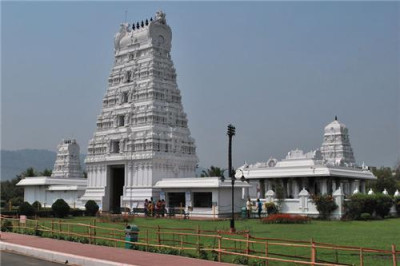
Dedicated to Lord Shiva, the temple is an important place of worship for devotees as well as a popular destination for visitors interested in the religious and cultural heritage of Guwahati.
History of Lankeshwar Temple
Lankeshwar Temple has a strong connection with Hindu mythology and local religious traditions. According to a popular legend, Ravana, the king of Lanka and a devoted worshipper of Lord Shiva, is believed to have worshipped Lord Shiva at this hill. The association with Ravana is traditionally connected with the name Lankeshwar, which refers to the Lord associated with Lanka.
The exact historical origin and age of the temple are not clearly documented in widely available sources. However, the shrine is regarded as an ancient place of Shiva worship and has continued to attract devotees over generations. Its religious importance, natural setting and hilltop location have made it one of the notable Shiva temples of Guwahati.
Religious Significance of Lankeshwar Temple
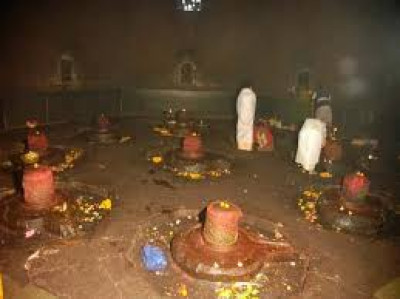
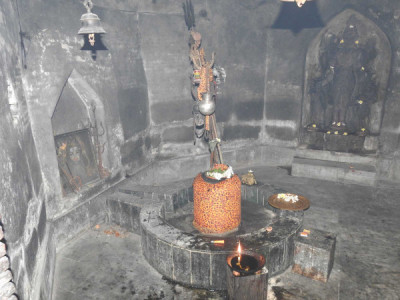
The principal deity of Lankeshwar Temple is Lord Shiva, worshipped in the form of a sacred Shiva Linga. Devotees visit the shrine to offer prayers, perform Abhishek and seek the blessings of Lord Shiva.
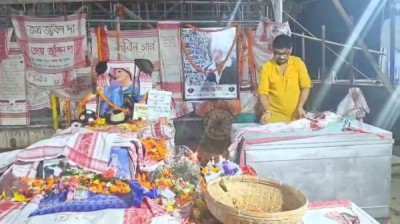
The temple is particularly significant for followers of Shaivism and becomes more active during important religious occasions. Maha Shivratri is the most prominent festival associated with the temple, when devotees gather for prayers, worship and darshan.
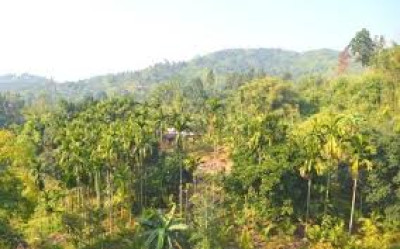
The surrounding environment also adds to the spiritual character of the temple. The combination of the hill, trees, quiet pathways and religious atmosphere gives visitors an opportunity to spend time in peaceful surroundings.
The 452 Steps to Lankeshwar Temple
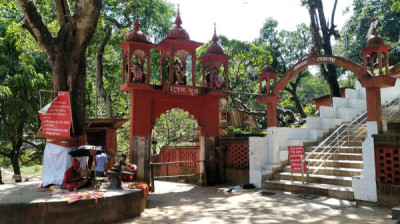
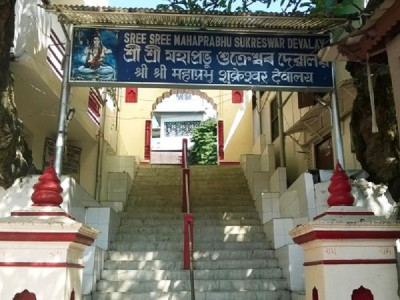
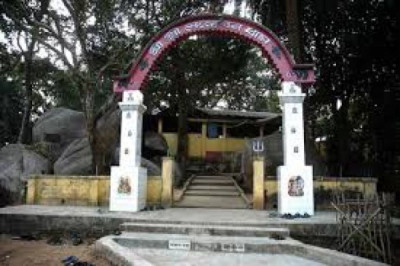
One of the most distinctive features of a visit to Lankeshwar Temple is the climb to the hilltop shrine. Visitors traditionally ascend about 452 marble steps from the foothill area to reach the main temple.
The staircase makes the journey itself an important part of the visit. As visitors climb higher, the surroundings gradually become quieter and the greenery around the hill becomes more noticeable. The climb may require some physical effort, particularly for elderly visitors and people unaccustomed to walking uphill.
It is advisable to climb slowly, carry drinking water and take short breaks whenever necessary. Comfortable footwear is recommended.
What to See at Lankeshwar Temple?
Main Shiva Temple
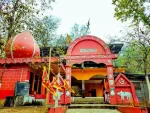
The main shrine at the top of the hill is dedicated to Lord Shiva, worshipped as Lankeshwar. The sanctum is the spiritual centre of the temple complex where devotees offer prayers and seek blessings.
Lord Hanuman Statue
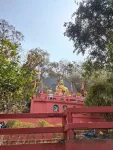
A prominent Hanuman statue is one of the attractions encountered during the visit. The large seated figure adds to the religious character of the hilltop complex and is an important point of interest for devotees.
Ganesha Shrine
A shrine dedicated to Lord Ganesha can also be found along the temple approach. Devotees commonly seek the blessings of Ganesha before continuing their religious visit.
Shani Temple
A shrine associated with Shani Bhagavan is located along the temple pathway. The presence of different deities makes the climb more than just a route to the main shrine and allows visitors to explore several religious elements of the complex.
Hilltop Views and Natural Surroundings
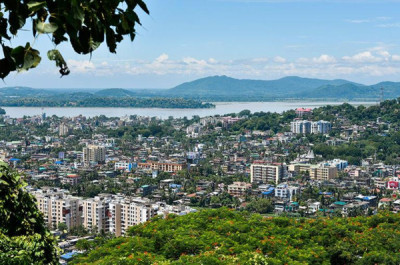
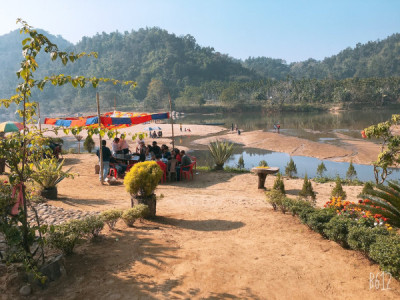
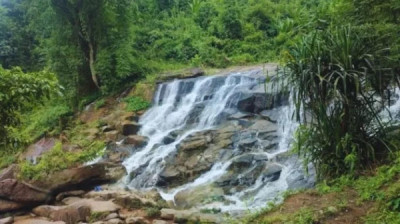
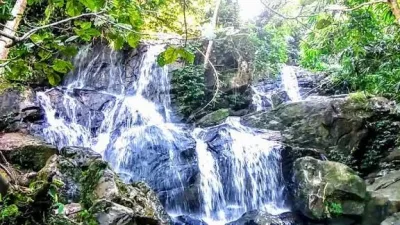
The hilltop setting is one of the major attractions of Lankeshwar Temple. Dense greenery surrounds the temple area, while the elevated location provides views of the landscape around western Guwahati. On a clear day, visitors can also enjoy views towards the Brahmaputra River.
Maha Shivratri at Lankeshwar Temple
Maha Shivratri is the major religious festival celebrated at Lankeshwar Temple. The occasion is dedicated to Lord Shiva and attracts devotees who visit the shrine for darshan and special prayers.
During Maha Shivratri, the temple atmosphere becomes more vibrant as worshippers gather for religious observances. Visitors planning to attend during the festival should expect increased crowds and should allow additional time for the uphill journey and darshan.
Temple Timings
The commonly published visiting hours for Lankeshwar Temple are approximately 5:00 AM to 9:00 PM. However, temple schedules may vary during festivals, special religious ceremonies or other occasions.
Visitors travelling specifically for early morning or evening worship should confirm the latest timings locally before starting their journey.
Best Time to Visit Lankeshwar Temple
Lankeshwar Temple can be visited throughout the year. October to March is generally comfortable for exploring Guwahati because the weather is more suitable for walking and climbing the hill.
Early morning is a good time for visitors who want a quieter atmosphere and a more comfortable climb. Maha Shivratri is an important time to experience the temple's religious atmosphere, although the temple can be considerably busier during the festival.
How to Reach Lankeshwar Temple from Guwahati?
By Road: Lankeshwar Temple is located in West Jalukbari and can be reached from different parts of Guwahati by taxi, auto-rickshaw, private vehicle and local public transport. The temple is near Gauhati University and can be approached through the Jalukbari area.
City buses serving the Jalukbari side of Guwahati can also be useful for reaching the vicinity of the temple. From the roadside area, visitors need to continue towards the foothill and then climb the staircase to the shrine.
By Rail: Guwahati Railway Station is the nearest major railway station for visitors arriving by train. From the railway station, travellers can hire a taxi or use local transport to reach West Jalukbari and continue to Lankeshwar Temple.
By Air: Visitors arriving by air can travel from Lokpriya Gopinath Bordoloi International Airport towards Jalukbari by taxi or other local transport. The journey time and distance can vary depending on traffic and the chosen route.
Where to Stay Near Lankeshwar Temple?
There are several accommodation options in Guwahati, making it convenient to visit Lankeshwar Temple as part of a city sightseeing itinerary. Visitors can choose hotels in Jalukbari, Adabari, Maligaon or central Guwahati depending on their travel plans and budget.
Staying in Guwahati is also useful for travellers who want to visit other attractions such as Kamakhya Temple, Umananda Temple, Assam State Museum, Srimanta Sankardev Kalakshetra and other places of interest in and around the city.
Whom to Contact at Lankeshwar Temple?
For temple-related enquiries, visitors can contact the temple administration locally. A commonly published contact number for Lankeshwar Temple is +91 9864426599. Since contact information and temple arrangements can change, visitors should verify the number and current arrangements before relying on it for travel planning.
Travel Tips for Visitors
Wear comfortable footwear because the temple requires a substantial uphill climb.
Carry drinking water, especially during warmer months.
Senior citizens and visitors with mobility difficulties should take the staircase slowly and plan sufficient time for the climb.
Dress respectfully while visiting the temple.
Avoid littering and help maintain the natural surroundings of the hill.
During Maha Shivratri and other busy religious occasions, allow additional time because visitor numbers may increase.
If you plan to visit specifically for a particular puja or ritual, confirm the schedule in advance.
Places to Visit Near Lankeshwar Temple
Lankeshwar Temple can be combined with other attractions in Guwahati and nearby areas. Depending on the available time, visitors can explore Kamakhya Temple, Umananda Temple, Assam State Museum, Srimanta Sankardev Kalakshetra and other cultural and religious destinations in the city.
Why Visit Lankeshwar Temple?
Lankeshwar Temple offers a combination of religious significance, mythology, hilltop scenery and natural surroundings. Its association with Lord Shiva and the traditional story of Ravana gives the temple a distinctive place in local religious heritage.
The climb of about 452 steps, the smaller shrines along the route, the large Hanuman statue and the peaceful hilltop environment make the journey different from visiting a temple located directly at street level. For travellers exploring the spiritual side of Guwahati, Lankeshwar Temple provides an opportunity to experience one of the city's ancient Shiva shrines in a natural setting.
Quick Info About Lankeshwar Temple
| Information | Details |
|---|---|
| Tourist Place | Lankeshwar Temple |
| Location | West Jalukbari, Guwahati, Assam |
| Near | Gauhati University |
| District | Kamrup Metropolitan |
| State | Assam |
| Main Deity | Lord Shiva |
| Deity Name | Lankeshwar |
| Temple Type | Hindu Shiva Temple |
| Location Type | Hilltop Temple |
| Steps | About 452 marble steps |
| Main Festival | Maha Shivratri |
| Timings | Commonly 5:00 AM - 9:00 PM |
| Entry Fee | Generally free |
| Nearest Railway Station | Guwahati Railway Station |
| Nearest Airport | Lokpriya Gopinath Bordoloi International Airport |
| Main Access | Road + uphill staircase |
| Best Time to Visit | October to March |
| Recommended Duration | About 1-2 hours |
| Contact | 98644 26599 |
FAQs About Lankeshwar Temple, Guwahati
Where is Lankeshwar Temple located?
Lankeshwar Temple is located at West Jalukbari in western Guwahati, Assam, near the Gauhati University campus.
Which god is worshipped at Lankeshwar Temple?
Lord Shiva is the principal deity worshipped at Lankeshwar Temple. The deity is traditionally known as Lankeshwar.
Why is Lankeshwar Temple called Lankeshwar?
According to Hindu mythology and local tradition, Ravana, the king of Lanka and a devotee of Lord Shiva, is believed to have worshipped Shiva at this location. This traditional association is linked to the name Lankeshwar.
How many steps are there at Lankeshwar Temple?
Visitors commonly climb about 452 marble steps from the foothill to reach the hilltop temple. The exact count may vary in descriptions, but the staircase is one of the best-known features of the temple.
What are the timings of Lankeshwar Temple?
The commonly published temple timings are approximately 5:00 AM to 9:00 PM. Timings can change during festivals and special occasions, so visitors should confirm locally before travelling.
What is the best time to visit Lankeshwar Temple?
October to March is generally a comfortable period for visiting Guwahati and climbing the temple hill. Early morning is particularly suitable for visitors seeking a quieter atmosphere.
How can I reach Lankeshwar Temple from Guwahati?
Lankeshwar Temple can be reached by taxi, auto-rickshaw, private vehicle and local public transport through the Jalukbari area. After reaching the foothill, visitors need to climb the staircase to the temple.
Is Lankeshwar Temple famous for Maha Shivratri?
Yes. Maha Shivratri is one of the major religious occasions at Lankeshwar Temple, attracting devotees for Shiva worship, prayers and darshan.
Is Lankeshwar Temple suitable for tourists?
Yes. In addition to being a religious destination, the temple attracts visitors interested in Guwahati's heritage, mythology, hilltop scenery and natural surroundings. The staircase should be considered when planning a visit.
What can I see at Lankeshwar Temple apart from the main Shiva shrine?
Visitors can see religious shrines and statues associated with deities such as Lord Ganesha, Shani Bhagavan and Lord Hanuman. The hilltop surroundings and views of the landscape are also important attractions.
Conclusion
Lankeshwar Temple is an important Shiva shrine in western Guwahati where religious tradition, mythology and natural surroundings come together. Located near Gauhati University, the hilltop temple is known for its association with Lord Shiva, the traditional story of Ravana and the long staircase leading to the shrine. Whether visiting for worship, Maha Shivratri, cultural interest or a peaceful hilltop experience, Lankeshwar Temple offers a distinctive spiritual destination within Guwahati.