In Depth
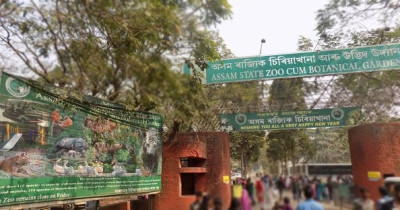
Spread across approximately 175 hectares, the complex combines animal exhibits with forested areas, landscaped gardens and botanical collections. Its location within Guwahati makes it an accessible choice for travellers who want to experience a wildlife-focused attraction without travelling far outside the city.
History of Guwahati Zoo
The Assam State Zoo was established in 1957 and opened to the public on 24 January 1958. Its development began around the time Guwahati hosted the 64th session of the Indian National Congress, when a temporary animal exhibition attracted public interest. The idea eventually developed into a permanent zoological facility.
The zoo grew over the following decades as additional animal exhibits and visitor facilities were introduced. In 1982, a botanical garden was incorporated into the complex, giving the institution its present name: Assam State Zoo cum Botanical Garden. The addition broadened its role beyond displaying wildlife by introducing more opportunities for botanical learning and environmental awareness.
Today, the institution contributes to wildlife education, conservation awareness, animal care and the understanding of Northeast India's biodiversity. It also serves as a green space within a rapidly expanding urban environment.
Animals to See at Guwahati Zoo
Wildlife is the main attraction for visitors to the Guwahati Zoo. Its collection includes species associated with Northeast India as well as animals from other regions. The exact collection may change as animals are transferred, rescued, born or relocated under zoo management programmes.
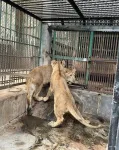
The greater one-horned rhinoceros is among the best-known animals associated with Assam's wildlife heritage. Visitors may also find species such as the hoolock gibbon, golden langur, clouded leopard, slow loris, pig-tailed macaque and other mammals represented in the zoo's collection. These animals provide an opportunity to learn about the habitats and conservation challenges of wildlife found in the northeastern region.
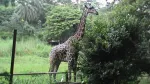
The zoo also displays selected animals from outside India, with species such as giraffes and hippopotamuses included in its published collection information. The availability and visibility of individual animals depend on their current housing, health, welfare requirements and enclosure conditions.
Visitors should remember that animals may rest, remain out of sight or use sheltered areas during hot weather. A visit is more rewarding when it focuses on observing animal behaviour and reading the information provided at exhibits rather than expecting every animal to be active at all times.
Birds and Reptiles at Assam State Zoo
Bird exhibits add another dimension to the wildlife experience. The zoo's published species information includes birds such as pheasants, parakeets, vultures, storks, cranes and other waterbirds. These exhibits can be particularly interesting for children and visitors who want to learn about differences in bird size, feeding habits, habitats and adaptations.
The reptile section provides an opportunity to understand animals that are often misunderstood or feared. Depending on the current collection, visitors may see snakes such as pythons, cobras and other reptile species. Educational displays can help explain their ecological importance and their role in maintaining the balance of natural ecosystems.
Visitors should avoid tapping on enclosure glass, shouting at animals or using flash photography where it may disturb them. Observing wildlife quietly is better for both animal welfare and the visitor experience.
Botanical Garden and Green Landscape
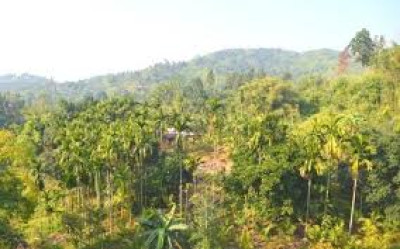
The botanical garden is an important part of the Guwahati Zoo experience. It contains a variety of plant species and landscaped sections that complement the animal exhibits. The grounds also retain areas of natural vegetation, giving the campus a greener character than many conventional urban attractions.
The garden is a useful place for students, gardening enthusiasts and people interested in plant diversity. Visitors may encounter different types of trees, ornamental plants, bamboo and other vegetation, depending on the areas open to the public. The orchid collection is another notable botanical attraction, although the varieties on display may change over time.
The forested surroundings provide shade on some walking routes, but visitors should still prepare for heat and humidity, especially during summer. Comfortable footwear, drinking water and sufficient time will make the visit easier.
Other Attractions and Facilities
Beyond the animal enclosures, the zoo's published attractions include a museum, reptile house and herbarium collection. These facilities can add educational value by presenting information about wildlife, forest resources, plant specimens and regional biodiversity. Availability and opening arrangements for individual facilities should be checked on arrival.
Visitor amenities have included drinking water, resting shelters, waste bins and refreshment facilities. Battery-operated vehicle or golf-cart rides may also be available for visitors who need assistance covering longer distances. These services can have separate charges and may not operate throughout the day, so confirm availability and pricing at the entrance.
The zoo is particularly suitable for a family outing or an educational excursion. School groups can use the visit to introduce children to animal diversity, habitat conservation and responsible behaviour around wildlife.
Guwahati Zoo Timings and Weekly Closure
The zoo's visiting schedule and weekly closure should be checked before setting out, because information published on different websites may not always match. Visitor information has commonly listed opening hours around 8:00 AM to 4:00 PM, with Friday as the weekly closing day. Seasonal schedules or administrative changes may affect these details.
For a comfortable visit, arrive in the morning rather than close to closing time. Allow enough time to walk between exhibits, take breaks and explore the botanical sections. If you are planning a family trip, school excursion or visit during a public holiday, check the official ticket portal for the latest visitor instructions.
Guwahati Zoo Ticket Price and Online Booking
Entry tickets are generally priced at a modest rate, making the zoo accessible to local residents and tourists. Reference information has listed approximate entry fees of Rs. 30 for Indian adults, Rs. 10 for children, Rs. 100 for foreign adults and Rs. 30 for foreign children. These amounts are indicative, not guaranteed current rates.
Additional fees may apply for cameras, parking or optional battery-operated vehicle rides. The final amount depends on the visitor category and the services used. Check the current fee chart before purchasing tickets.
Online booking information is available through the zoo's ticket portal: https://assamstatezoo.in/user/index. Confirm that you are using the official booking service and review the selected visit date, ticket category and any applicable conditions before payment.
Best Time to Visit Guwahati Zoo
October to March is generally a comfortable period to visit Guwahati Zoo because the weather is usually more suitable for walking outdoors. Morning visits during these months can be pleasant for families and wildlife enthusiasts.
Summer can be hot and humid, so carry water, wear breathable clothing and take breaks as needed. During the monsoon, the surrounding greenery can look attractive, but rain may make walking surfaces slippery. Check the weather forecast and follow any temporary restrictions announced by zoo management.
Regardless of the season, allow time for a relaxed visit instead of rushing through every enclosure. The best experience comes from observing the animals carefully and learning about the species and habitats represented.
How to Reach Guwahati Zoo from Guwahati City
The zoo is located on RG Baruah Road in the Japorigog and Hengrabari area of Guwahati. It can be reached by taxi, app-based cab, auto-rickshaw or other local transport, depending on availability. From central Guwahati, follow directions towards RG Baruah Road and the Assam State Zoo entrance. Travel time varies with the starting point and traffic conditions.
From Guwahati Railway Station: Visitors arriving by train can hire a taxi or use local transport to reach the zoo. Allow extra time during busy traffic periods.
From Lokpriya Gopinath Bordoloi International Airport: A taxi or app-based cab is a convenient option for reaching the city and continuing to the zoo. The journey can take longer during peak traffic, so plan accordingly.
From Paltan Bazaar or central Guwahati: Local taxis and auto-rickshaws can take visitors towards RG Baruah Road. Ask for the main entrance of Assam State Zoo cum Botanical Garden to avoid confusion with other parks or nearby landmarks.
If you are travelling by private vehicle, check the availability and current charges for designated parking before your visit.
Where to Stay Near Guwahati Zoo
Guwahati has accommodation options across different budgets, including hotels, guest houses, serviced apartments and homestays. Visitors who want to minimise travel time can look for accommodation around RG Baruah Road, Zoo Road, Ganeshguri, Christian Basti or other well-connected parts of the city. The best area depends on your budget, transport arrangements and other places you plan to visit.
Budget travellers can compare guest houses and smaller hotels, while families may prefer hotels offering larger rooms, parking and on-site dining. Premium hotels and serviced apartments are also available in the wider city. Check recent reviews, cancellation policies, room facilities and the actual distance to the zoo before confirming a booking.
No specific accommodation is officially associated with the zoo in the information provided here. Visitors should verify current prices and availability directly with their chosen property.
Contact Details and Official Information
For the most reliable information about tickets, visiting hours, animal exhibits, group visits and visitor facilities, consult the Assam Forest Department's official page for the Assam State Zoo cum Botanical Garden:
https://forest.assam.gov.in/information-services/detail/assam-state-zoo-cum-botanical-garden
The online ticket portal is:
https://assamstatezoo.in/user/index
A general enquiry email has been listed as dfo.assamzoo@gmail.com, but visitors should confirm that it is active before relying on it. For time-sensitive questions, use the contact information published on the official government website or ticket portal.
Contact Number: +91 60268 52067
Responsible Tourism at Guwahati Zoo
A visit to the zoo is also an opportunity to understand the importance of wildlife conservation. Follow the posted instructions, remain behind barriers, avoid feeding animals and dispose of waste in designated bins. Do not tease animals, make loud noises near enclosures or attempt to enter restricted areas.
Children should remain with their accompanying adults, particularly near animal exhibits and crowded paths. Respect temporary closures and instructions from zoo staff, as these may be necessary for animal care, maintenance or visitor safety.
Why Visit Guwahati Zoo?
The Assam State Zoo cum Botanical Garden combines wildlife exhibits, plant collections and educational facilities in a large green campus within Guwahati. Its location makes it a convenient option for visitors who want to explore Assam's biodiversity while staying in the state capital. Whether you are travelling with children, learning about regional wildlife or looking for a nature-focused outing, Guwahati Zoo offers a worthwhile addition to a city itinerary.
Plan your visit in advance, check the latest entry rules and allow enough time to explore the animal exhibits and botanical areas at a comfortable pace.
Quick Information About Guwahati Zoo
| Information | Details |
|---|---|
| Name | Assam State Zoo cum Botanical Garden |
| Popular Name | Guwahati Zoo |
| Location | RG Baruah Road, Japorigog, Guwahati, Assam |
| PIN Code | 781024 (verify exact gate address before publishing) |
| District | Kamrup Metropolitan, Assam |
| Established | 1957 |
| Opened to the Public | 24 January 1958 |
| Total Area | Approximately 175 hectares (1.75 sq km) |
| Main Attractions | Wildlife enclosures, botanical garden, reptile house, museum and herbarium |
| Wildlife | One-horned rhinoceros, hoolock gibbon, golden langur, clouded leopard, macaques, giraffe and hippopotamus, among other species |
| Birds and Reptiles | Various native and exotic birds, snakes and other reptiles |
| Usual Visiting Hours | Approximately 8:00 AM to 4:00 PM; confirm the current schedule before visiting |
| Weekly Closure | Traditionally Friday; verify the current closure day on the official portal |
| Approximate Entry Fee | Indian adults around Rs. 30; children around Rs. 10; foreign adults around Rs. 100 and foreign children around Rs. 30. Confirm current rates |
| Additional Charges | Camera fees, parking and optional battery-operated vehicle rides may apply |
| Online Ticket Booking | https://assamstatezoo.in/user/index |
| Nearest Major Transport Hub | Guwahati Railway Station |
| Nearest Airport | Lokpriya Gopinath Bordoloi International Airport |
| Best Time to Visit | October to March, particularly during cooler morning hours |
| Recommended Visit Duration | Around 2-4 hours, depending on walking pace and areas visited |
| Accommodation | Hotels, guest houses and homestays across Guwahati |
| Official Department | Assam Forest Department |
| General Enquiry Email | dfo.assamzoo@gmail.com (confirm before publication) |
FAQs About Guwahati Zoo
1. What is the ticket price of Guwahati Zoo?
The approximate entry fee for Guwahati Zoo is Rs. 30 for Indian adults and Rs. 10 for children. Reference information lists Rs. 100 for foreign adults and Rs. 30 for foreign children. Camera charges, parking and optional rides may cost extra. Check the official ticket portal for the latest rates before visiting.
2. What are the opening timings of Guwahati Zoo?
Guwahati Zoo has commonly been listed as opening around 8:00 AM and closing around 4:00 PM. Timings may vary with the season or official instructions. Check the latest schedule on the Assam State Zoo website before planning your visit.
3. Is Guwahati Zoo closed on Friday?
The zoo has traditionally observed Friday as its weekly closing day. However, visitors should verify the current closure schedule through the official Assam State Zoo portal because published information can differ or change.
4. Where is Guwahati Zoo located?
The Assam State Zoo cum Botanical Garden is located on RG Baruah Road in the Japorigog and Hengrabari area of Guwahati, Assam. It is situated within the Hengrabari Reserved Forest area and can be reached by taxi, auto-rickshaw or other local transport.
5. Which animals can visitors see at Guwahati Zoo?
The zoo's published wildlife collection includes the greater one-horned rhinoceros, hoolock gibbon, golden langur, clouded leopard, macaques and other mammals. Exotic animals such as giraffes and hippopotamuses have also been listed. The animals available for viewing may change over time.
6. Is Guwahati Zoo suitable for children and families?
Yes, Guwahati Zoo is a popular family attraction. Children can learn about animals, birds, reptiles and plant diversity while exploring the zoo's exhibits and botanical areas. Families should wear comfortable footwear, carry drinking water and supervise children throughout the visit.
7. How much time is needed to explore Guwahati Zoo?
Most visitors should allow approximately two to four hours, depending on their walking pace, interest in wildlife and the facilities open during their visit. Families and visitors who want to explore the botanical garden as well may need additional time.
8. How can I book Guwahati Zoo tickets online?
You can check online ticket availability through the Assam State Zoo ticket portal at https://assamstatezoo.in/user/index. Select the available visit date and ticket categories, review the charges and follow the booking instructions displayed on the official portal.
9. How can I reach Guwahati Zoo from Guwahati Railway Station or the airport?
From Guwahati Railway Station, you can take a taxi or local transport towards RG Baruah Road. From Lokpriya Gopinath Bordoloi International Airport, a taxi or app-based cab is a convenient option. Journey times depend on traffic and your exact starting point.
10. Where can I stay near Guwahati Zoo, and whom should I contact for information?
Visitors can choose from hotels, guest houses and homestays in areas such as Zoo Road, RG Baruah Road, Ganeshguri and Christian Basti. For information about entry fees, opening hours and visitor facilities, consult the official Assam Forest Department website at https://forest.assam.gov.in/information-services/detail/assam-state-zoo-cum-botanical-garden or use the official ticket portal. Verify any published email address before contacting the department.