In Depth
Covering approximately 45.568 square kilometres, Chakrashila is particularly significant as the second protected habitat established for the Golden Langur in India. The sanctuary was first declared a reserve forest in 1966 and received official wildlife sanctuary status on 14 July 1994. Conservation efforts, including the work of local environmental groups, helped bring greater attention to the protection of this important forest ecosystem.
Golden Langur - The Main Attraction
The Golden Langur (Trachypithecus geei) is the most recognised animal of Chakrashila Wildlife Sanctuary. This rare primate is known for its distinctive golden or cream-coloured coat and its preference for forest habitats in the Assam-Bhutan region. Chakrashila provides an important protected environment for the species, making it a significant destination for wildlife enthusiasts, nature photographers and conservation-minded visitors.
Golden Langurs generally spend much of their time in the forest canopy, so sightings are not guaranteed. Visitors should remain quiet, avoid disturbing the animals and follow the instructions of forest staff or authorised local guides. The sanctuary is also associated with other mammals, including rhesus macaques, leopard cats, barking deer, golden jackals, gaur and other wildlife. Chinese pangolins and larger carnivores have also been recorded in the wider sanctuary landscape, although visitors should not expect to see every species during a visit.
Forest Landscape, Hills and Vegetation
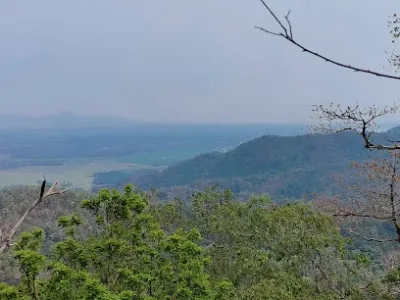
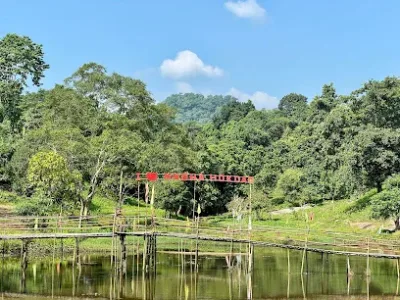
Chakrashila is characterised by a north-south stretch of hills surrounded by plains, wetlands and rural settlements. Its changing elevation creates different habitats across the sanctuary. The lower slopes include areas of sal forest regeneration, while the middle and upper sections support mixed deciduous vegetation. Bamboo thickets, shrubs, grassland patches, creepers and other native plants add to the variety of habitats.
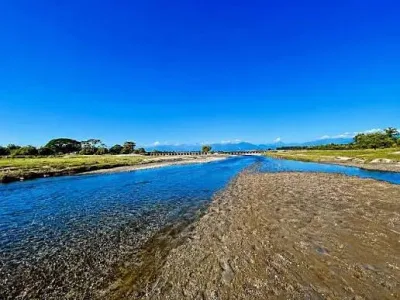
The forest landscape is particularly attractive to visitors interested in nature walks, landscape photography and observing the relationship between forests and wetlands. Seasonal changes influence the appearance of the sanctuary, with monsoon greenery, clear winter days and changing water levels around the surrounding beels offering different experiences throughout the year.
Dheer Beel, Diplai Beel and Other Wetlands
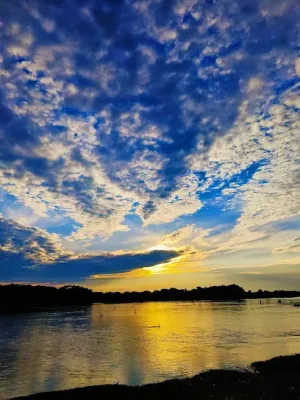
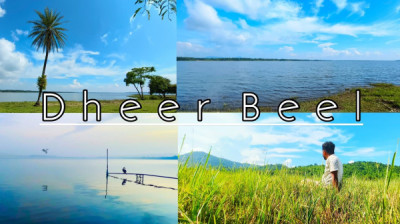
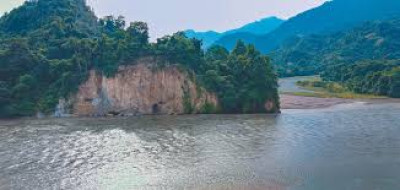
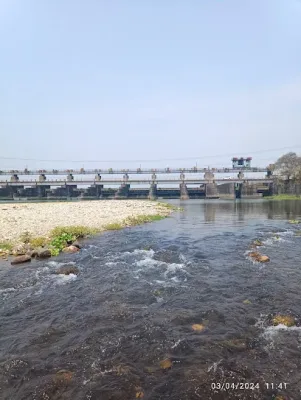
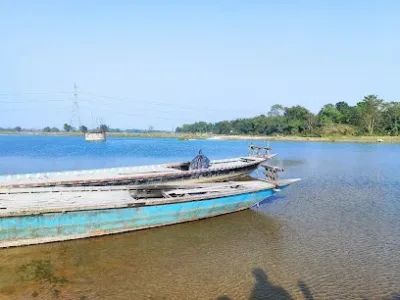
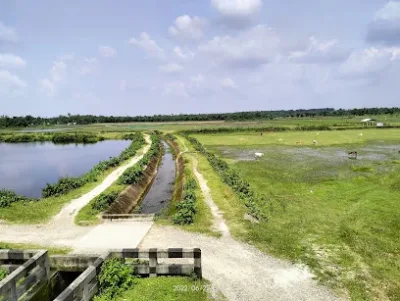
The wetlands around Chakrashila are an important part of its ecological landscape. Dheer Beel and Diplai Beel are among the best-known water bodies associated with the sanctuary. Dakra Beel is also mentioned in descriptions of the wider Chakrashila wetland complex. These wetlands support aquatic vegetation, fish and a variety of resident and migratory birds.
During the winter months, the beels can attract waterbirds arriving from other regions. Birdwatchers may look for ducks, storks, eagles, herons, egrets and other wetland species, depending on the season and local conditions. The surrounding forest and grassland habitats also support a variety of woodland and open-country birds.
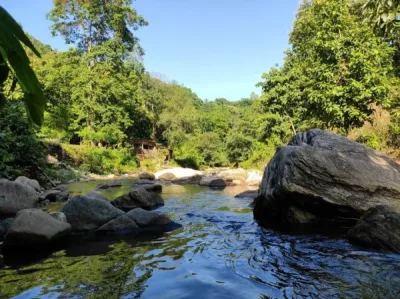
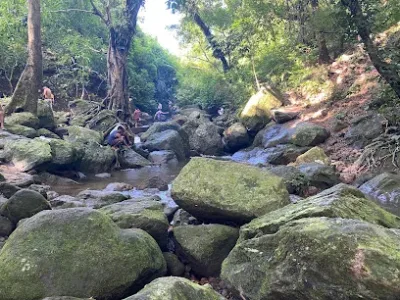
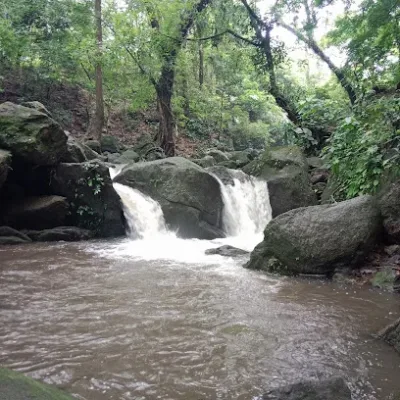
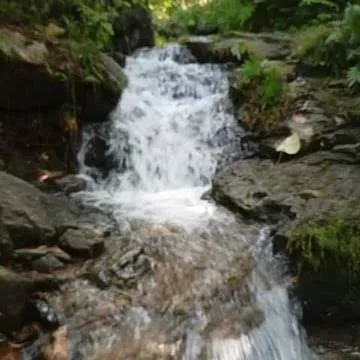
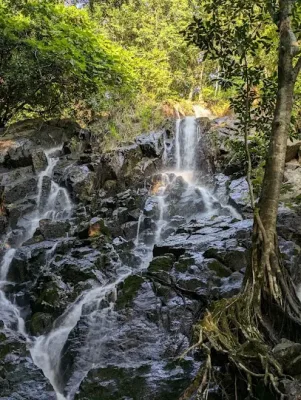
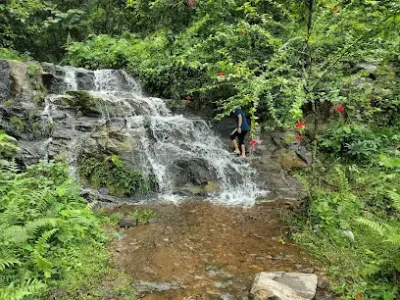
Several natural springs and seasonal streams, including Haohaowi Jhora and Mauriya Jhora, are associated with the sanctuary landscape. These water sources contribute to the local forest ecosystem and add to the natural character of the area. Visitors should check access conditions before attempting to reach any particular spring or trail.
Birdwatching and Wildlife Diversity
Chakrashila is recognised for its birdlife and is of interest to birdwatchers visiting western Assam. Published records have documented a substantial variety of bird species in the sanctuary and its surrounding wetlands. The mix of forest, grassland and wetland habitats creates suitable conditions for different resident and migratory birds.
Species of conservation concern have been recorded in the wider area, including Greater Adjutant, Lesser Adjutant, Ferruginous Duck, Darter and several birds of prey. Records from different surveys and years may vary, so historical counts should not be treated as a guarantee of present-day sightings. Carrying binoculars and maintaining a respectful distance from birds can make a visit more rewarding.
The sanctuary also supports reptiles, amphibians, butterflies and other smaller forms of wildlife. Its biodiversity makes it valuable not only as a tourist destination but also as a landscape for ecological study and conservation.
Things to Do at Chakrashila Wildlife Sanctuary
A visit to Chakrashila is primarily about experiencing nature rather than taking part in a conventional commercial safari. Activities may include:
Wildlife observation: Look for Golden Langurs and other animals from permitted areas, preferably with assistance from authorised local guides.
Birdwatching: Explore suitable forest edges and nearby wetlands to observe resident and migratory birds.
Nature walks and trekking: Enjoy the forest environment on routes permitted by the forest authorities.
Nature photography: Capture the hills, vegetation, wetlands and wildlife without disturbing their natural behaviour.
Wetland visits: Include Dheer Beel or Diplai Beel in a wider nature-focused trip, subject to road access and local conditions.
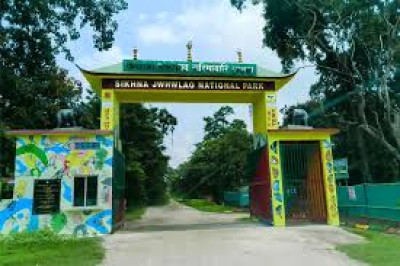
Chakrashila should not be assumed to offer the same motorised jeep-safari arrangements found in some larger national parks. Entry, walking routes, vehicle access and guide requirements may be regulated. Confirm the current arrangements with the local forest office before travelling.
Best Time to Visit Chakrashila Wildlife Sanctuary
The cooler months from October to March are generally suitable for exploring the sanctuary and its surrounding wetlands. Winter is particularly interesting for birdwatching, as migratory waterbirds visit the beels. The post-monsoon landscape can also be attractive, with green vegetation and flowing water.
During the monsoon, heavy rainfall may make forest tracks slippery and some routes difficult to access. Before planning a trek or nature walk, check the weather, road conditions and any seasonal restrictions with local authorities.
How to Reach Chakrashila Wildlife Sanctuary from Guwahati
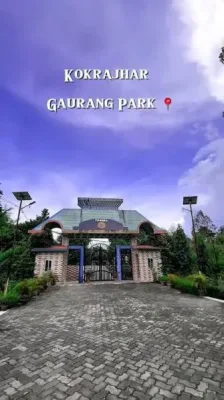
Chakrashila Wildlife Sanctuary can be reached by road and rail through Kokrajhar, which is a convenient base for visitors.
By Road: Guwahati is approximately 219 km from the sanctuary area, although the exact distance depends on the chosen entrance and route. Visitors can travel towards Kokrajhar by road and continue to the designated access point after confirming the current entry arrangements. Salkocha is another approach point mentioned in travel references, with the sanctuary area around 10 km away.
By Train: Kokrajhar Railway Station is the most convenient railhead for visitors. It is connected to the wider railway network, including services operating along the Guwahati and western Assam corridor. From the station, local taxis or other transport can be arranged for the sanctuary.
By Air: Lokpriya Gopinath Bordoloi International Airport in Guwahati is the main airport for visitors arriving by air. Rupsi Airport may also be an option depending on flight availability. From either airport, onward travel by road is required.
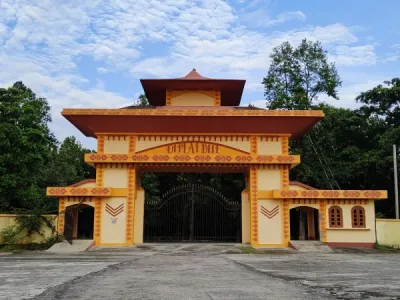
From Kokrajhar Town: The sanctuary is commonly described as being around 6-10 km from Kokrajhar town, depending on the access point. Confirm the specific gate or forest checkpost before setting out.
Where to Stay Near Chakrashila Wildlife Sanctuary
Kokrajhar town offers the most practical base for visitors, with hotels and lodges within reach of the railway station, market areas and main roads. The following accommodation details have been compiled from the supplied references. Please call before travelling to confirm room availability, current tariffs, location and contact numbers.
Hotels and Lodges in Kokrajhar
Hotel Gaurang Valley - Ward No. 4, J.D. Road, Kokrajhar, Assam 783370. Phone: +91 84866 82766.
PK Lodge & Restaurant - Jwhwlao Dwimalu Road, opposite Bodoland Secretariat Office, Khargaon, Kokrajhar, Assam 783370. Phone: +91 60037 33094.
Hotel SB Cum Lodge - Vivekananda Path, near Kokrajhar Railway Station/Railway Gate, Kokrajhar, Assam 783370. Phone: +91 8373053400.
Anisha Lodge - Bazar Road, Ward No. 10, Tengapara, Titaguri, Kokrajhar, Assam 783370. Phone: +91 92071 00234.
Hotel Seven Brothers - Boro Bazar Road, Tengapara, Titaguri, Kokrajhar, Assam 783370. Phone: +91 3661 270 027.
Raimona Residency - Jwhwlao Dwimalu Road, opposite Bajwi Hotel, Tengapara, Kokrajhar, Assam 783370. Phones: +91 60002 58419, +91 88008 42084, +91 73996 66688.
Hotel Omshree - J.D. Road/NH 31, opposite M.R.M. Hospital, Tengapara, Kokrajhar, Assam 783370. Phones: +91 88119 75211, +91 95314 99788, +91 3661-271655.
Kohinoor Hotel - RNB Road, Bagansali, Tengapara, Kokrajhar, Assam 783370. Phones: +91 84730 58034, +91 70021 09929; alternate/landline: +91 3661 270 574.
Hotel Nagendra Bhawan and Lodge - Ward No. 3, near Reliance Smart Point, Santinagar/Kokrajhar Gaon, Kokrajhar, Assam 783370. Phones: +91 88228 02088, +91 81239 89573.
Hotel Rwisumwi - Tengapara, Titaguri, Kokrajhar, Assam. Phones: +91 9954319522, +91 9957424865.
Bajwi Hotel - Jwhwlao Dwimalu Road, Ward No. 5, Tengapara, Kokrajhar, Assam 783370. Phones: +91 83998 86494, +91 84533 07636, +91 69096 57745.
Sahara Lodge - Patalpur Road, Kokrajhar. Phone: +91 3661-270824.
Prashanti Lodge - R.N.B. Road, Kokrajhar. Phones: +91 3661-270094, +91 94352-55113.
K.R. Lodge - J.D. Road, Kokrajhar, Assam 783370. Phone: +91 97076 96959.
Basumatary Lodge - R.N.B. Road, Kokrajhar, Assam 783370. Phones: +91 3661 270094, +91 9435255113.
Resorts in the Kokrajhar Region
Bathou Kherai Family Resort - NH 27/NH 31, Garubhasa Pt II, Shyamtaibari, Chirang-Kokrajhar region, Assam 783373. Phones: +91 78966 86437, +91 70865 60022, +91 78968 17727, +91 60028 81838.
Pinjillyn Resort - Raimona F.V., after Mothambil Chariali, Kokrajhar, Assam 783350. Phones: +91 97074 09009, +91 60011 33711, +91 60036 18476.
Aranyam Resort and Farm - 121, Saraibil F.V., Srirampur F.V., Kokrajhar, Assam 783350. Phones: +91 6900922206, +91 6900922207, +91 6901780354, +91 6003618476.
Jomduar Resort - Oxyguri village, near Raimona National Park, Kokrajhar, Assam 783350. Phones: +91 8876126270, +91 6000282194, +91 6003618476.
29th Landmark - Gaurang, Chandamari, Borobhatarmari, Assam 783370. Phone: +91 84730 45040.
Guest Houses
PWD Guest House - Depot Road, near Assam Oil and Forest Office, Brahmapuri, Tengapara, Kokrajhar, Assam 783370.
Bodoland Guest House - Jwhwlao Dwimalu Road, Kokrajhar, Assam 783370. Phones: +91 99541 27366, +91 70020 28521.
Kokrajhar Guest Inn - Ward No. 4, Jwhwlao Dwimalu Road, approximately 2.1 km from Kokrajhar Railway Station.
Homestays
Aagor Homestay - DTO Road, Romanpara, Boro Bhatarmari, Assam 783370. Phones: +91 74350 43937, +91 70990 07127, +91 60022 05885.
Asomi Raimona Homestay - C/O Ranjit Basumatary, Nasraibil F.V., Raimona National Park region, Kokrajhar, Assam 783350. Phones: +91 9957262292, +91 7086230522, +91 6003618476.
Aldrina Homestay - Mothambil, Western Range, Raimona National Park region, Kokrajhar, Assam 783361. Phone: +91 6000801410.
Iswary Homestay - Oxiguri village area, Raimona National Park region, Kokrajhar, Assam. Phone: +91 8638297368.
Himalaya Home Stay - Kumguri, Mothambil, Raimona National Park region, Assam 783350. Phone: +91 95314 99788.
Vladimir Brahma Homestay - Janaligaon, Saraibil F.V., Kokrajhar, Assam 783350. Phones: +91 60000 59752, +91 60032 36702, +91 60013 18270.
Some of the resorts and homestays listed above are in the wider Kokrajhar and Raimona region rather than immediately beside Chakrashila Wildlife Sanctuary. Choose accommodation based on your route and confirm travel time before booking.
Whom to Contact for a Visit
For information about entry permissions, forest access, guided walks and current visitor arrangements, contact the local forest authorities before travelling.
Bodoland Tourism
Address: Ward No. 5, Depot Road, near Forest Office, Brahmapuri, Tengapara, Kokrajhar, Assam 783370.
Phone: +91 95314 99788
Email: bodolandtourismofficial@gmail.com
Chakrashila Wildlife Range Office
Address: Bahalpur-Kokrajhar Road, Tilapara, Choraikhola Jangal Block, Assam 783376.
Phone: +91 84531 09198
Divisional Forest Officer, Wildlife Division, Kokrajhar
Phone: +91 3661-270635
Contact details are reproduced from the supplied references and should be verified before departure. Ask the relevant office about the currently open entry point, visitor permissions, guide arrangements, vehicle access and any applicable charges.
Important Visitor Guidelines
Chakrashila is a protected wildlife habitat, so visitors should follow all instructions issued by forest personnel. Do not feed, chase or attempt to approach wild animals. Avoid loud music, littering, fires and activities that may damage vegetation or disturb wildlife. Stay on permitted routes and do not enter restricted forest areas.
There is no confirmed information in the supplied references establishing a regular motorised jeep safari service. Entry fees, vehicle permits, camera charges, guide requirements and visiting hours may change. Treat any older online tariff or timetable as provisional and confirm it with the forest office before planning your visit.
Why Visit Chakrashila Wildlife Sanctuary?
Chakrashila Wildlife Sanctuary brings together forested hills, rare primate habitat, bird-rich wetlands and the natural landscapes of western Assam. Its importance as a protected home of the Golden Langur makes it a meaningful destination for anyone interested in wildlife and conservation. Whether you are planning a birdwatching outing, a nature walk or a wider trip around Kokrajhar, Chakrashila offers a chance to appreciate the biodiversity and ecological heritage of the Bodoland region.
Quick information table
| Particulars | Details |
|---|---|
| Name | Chakrashila Wildlife Sanctuary |
| Location | Kokrajhar region, extending towards Dhubri district, Assam |
| Region | Bodoland Territorial Region (BTR), Assam |
| Sanctuary area | Approximately 45.568 sq. km |
| Reserve forest declaration | 1966 |
| Wildlife sanctuary notification | 14 July 1994 |
| Main attraction | Golden Langur |
| Important wetlands | Dheer Beel, Diplai Beel and Dakra Beel |
| Forest type | Sal regeneration, mixed deciduous forest, bamboo and grassland patches |
| Other wildlife | Rhesus macaque, leopard cat, barking deer, gaur and other recorded species |
| Activities | Birdwatching, permitted nature walks, trekking and wildlife photography |
| Nearest town | Kokrajhar |
| Nearest railway station | Kokrajhar Railway Station |
| Nearest major airport | Lokpriya Gopinath Bordoloi International Airport, Guwahati |
| Approximate distance from Guwahati | 219 km; varies by route and access point |
| Best time to visit | October to March |
| Visitor arrangements | Confirm entry, guide and vehicle permissions with the forest office |
| Main contact | Chakrashila Wildlife Range Office: +91 84531 09198 |
FAQs About Chakrashila Wildlife Sanctuary
1. Where is Chakrashila Wildlife Sanctuary located?
Chakrashila Wildlife Sanctuary is situated in western Assam, in the Kokrajhar region of the Bodoland Territorial Region. Its wider landscape extends towards parts of the neighbouring Dhubri district. Kokrajhar town is the main nearby service and transport centre.
2. Why is Chakrashila Wildlife Sanctuary famous?
The sanctuary is particularly famous for protecting the endangered Golden Langur. It is recognised as the second protected habitat established for this rare primate in India. Its forested hills, wetlands and diverse birdlife are also important attractions.
3. What is the total area of Chakrashila Wildlife Sanctuary?
Chakrashila Wildlife Sanctuary covers approximately 45.568 square kilometres, equivalent to about 4,556.8 hectares. It includes a north-south stretch of hills with different forest habitats and surrounding wetland ecosystems.
4. When was Chakrashila declared a wildlife sanctuary?
Chakrashila Hill was initially declared a reserve forest in 1966. It was officially notified as a wildlife sanctuary on 14 July 1994, giving formal protection to its important wildlife habitat.
5. Can visitors see Golden Langurs at Chakrashila Wildlife Sanctuary?
Golden Langurs live in the sanctuary, but sightings are not guaranteed. They are often found in the forest canopy and may be difficult to observe. Visitors should remain quiet, use permitted viewing areas and follow guidance from authorised forest staff or local guides.
6. Is a jeep safari available at Chakrashila Wildlife Sanctuary?
The supplied information does not establish a regular motorised jeep safari service like those offered in some larger national parks. Chakrashila is generally associated with nature walks, permitted trekking, birdwatching and wildlife observation. Contact the forest range office to confirm current vehicle access and visitor arrangements.
7. What are the main attractions near Chakrashila Wildlife Sanctuary?
The main natural attractions include the sanctuary's forested hills, Golden Langur habitat, Dheer Beel, Diplai Beel and other wetlands in the surrounding landscape. The area is also suitable for birdwatching, nature photography and exploring the countryside around Kokrajhar.
8. What is the best time to visit Chakrashila Wildlife Sanctuary?
October to March is generally a suitable period for visiting. Winter is particularly interesting for birdwatching because migratory birds visit the surrounding wetlands. Monsoon rainfall can make forest paths slippery and access more difficult.
9. How can I reach Chakrashila Wildlife Sanctuary from Guwahati?
The sanctuary is approximately 219 km from Guwahati, depending on the route and entry point. Visitors can travel by road towards Kokrajhar or take a train to Kokrajhar Railway Station and arrange local transport from there. Guwahati's Lokpriya Gopinath Bordoloi International Airport is the main airport for air travellers.
10. Where can visitors stay, and whom should they contact before visiting?
Kokrajhar has hotels, lodges, guest houses and homestays that can be used as a base for exploring the sanctuary. Visitors should contact the Chakrashila Wildlife Range Office at +91 84531 09198 or Bodoland Tourism at +91 95314 99788 before travelling to confirm entry permissions, guide arrangements and current visitor information.