In Depth
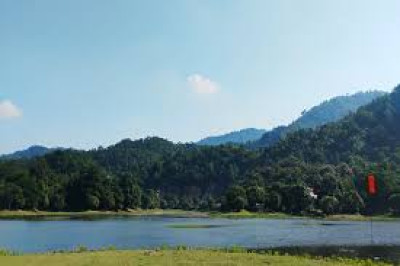
The combination of religious significance, local mythology and a short forest walk makes Bhimeswar Dham an interesting destination for pilgrims and travellers exploring the spiritual attractions of Guwahati. Its natural setting offers a different experience from the city's larger and more accessible temples.
History and Religious Significance of Bhimeswar Dham
Bhimeswar Dham is closely associated with regional traditions of Shiva worship. Devotees also refer to the site as Bhimashankar Dham, connecting it with the wider tradition of the twelve Jyotirlingas dedicated to Lord Shiva. However, the identification of this shrine as the nationally recognised Bhimashankar Jyotirlinga is disputed. The widely recognised Bhimashankar Jyotirlinga temple is located in Maharashtra, while the Guwahati shrine is important within local religious traditions.
The association with Dakini Hill is often explained through interpretations of verses from the Shiva Purana. These references form part of the religious understanding through which some devotees connect the shrine with the Jyotirlinga tradition. Visitors can appreciate this local belief while recognising that different traditions identify the sacred sites differently.
Mythology and Legends Associated with the Temple
One popular legend connects Bhimeswar Dham with the demon Bhimasura. According to the traditional story, Bhimasura imprisoned King Priyadharman of Kamrupa because of the king's devotion to Lord Shiva. Even while held captive, the king continued his worship. When the demon attempted to attack him, Lord Shiva appeared and defeated Bhimasura, protecting the devotee.
Local religious accounts also associate the stream flowing over the Shiva lingam with this divine encounter. In the legend, the water is connected with the events surrounding Shiva's battle with the demon. These stories are an important part of the shrine's spiritual identity and are shared through devotional traditions.
Another local belief connects the site with Bhima, one of the Pandavas from the Mahabharata, who is said to have worshipped Lord Shiva during the period of exile. These accounts add to the religious interest of the location, although they should be understood as mythology and local tradition rather than independently established historical events.
What Makes Bhimeswar Dham Unique?
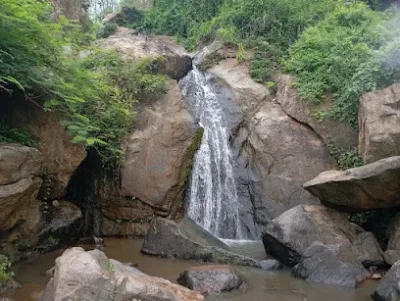
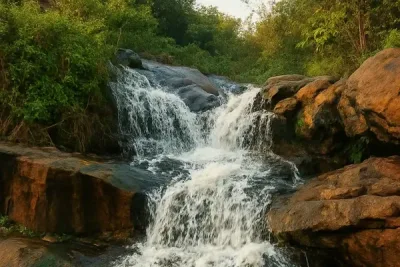
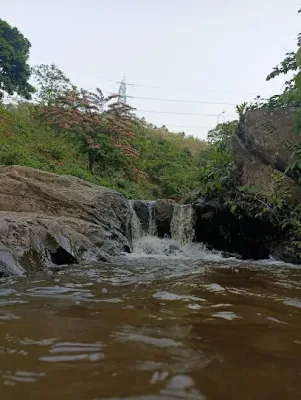
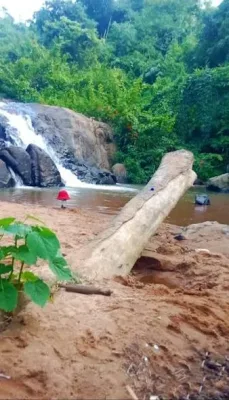
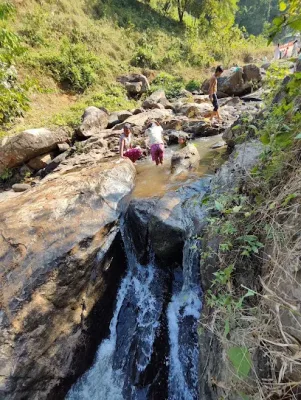
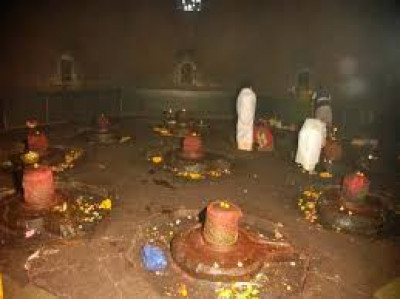
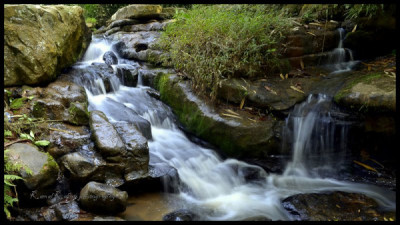
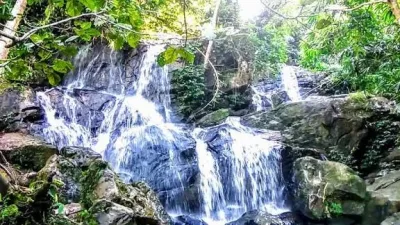
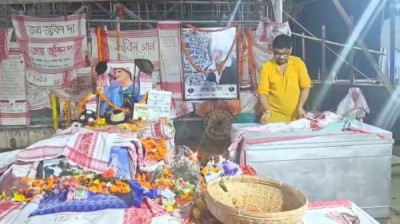
The main feature of Bhimeswar Dham is its open-air worship area. The sacred Shiva lingam is associated with a natural stream that flows through the rocky landscape. This setting gives the shrine a distinctive character compared with temples whose principal sanctum is enclosed within a large masonry building.
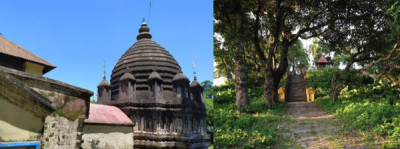
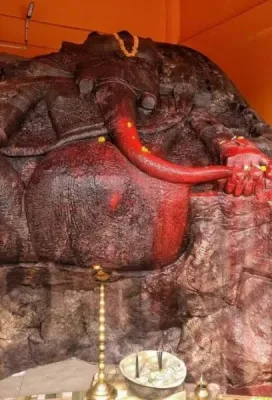
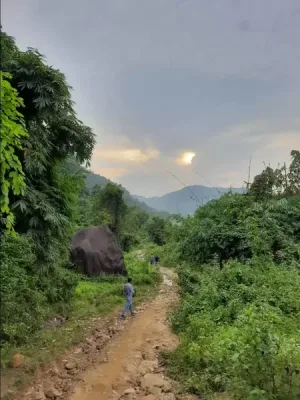
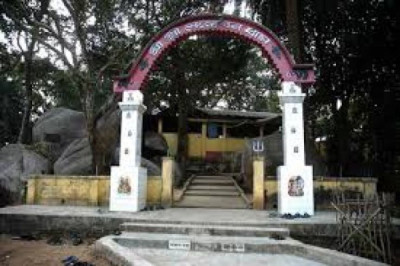
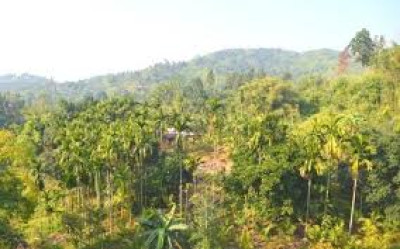
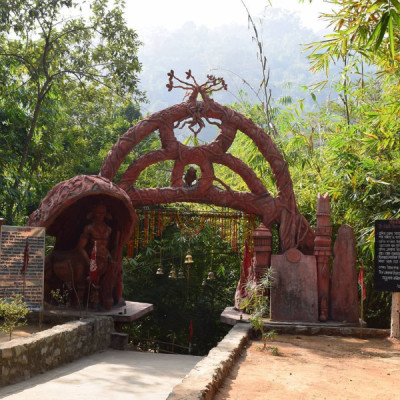
The approach to the shrine includes a short walk through a wooded area. Visitors may pass a small Ganesha shrine along the way, adding another devotional stop to the journey. Depending on the condition of the path and water level, the final approach may involve uneven ground, a small stream crossing or a simple bridge.
The natural environment is an important part of the experience, so visitors should walk carefully and follow local instructions. The path may be slippery after rain, and comfortable footwear is advisable until reaching any area where temple customs require shoes to be removed.
Best Time to Visit Bhimeswar Dham
The cooler months from November to February are generally comfortable for visiting the shrine and walking through the surrounding landscape. Maha Shivaratri is an especially significant occasion for Shiva devotees, while the Hindu month of Shravan also attracts worshippers to Shiva temples.
Festival days can be busier than ordinary days, so visitors should allow additional time for travel and darshan. During the monsoon, wet paths and rising water levels may make the approach more difficult. Check local conditions before starting the walk, especially after heavy rainfall.
How to Reach Bhimeswar Dham from Guwahati
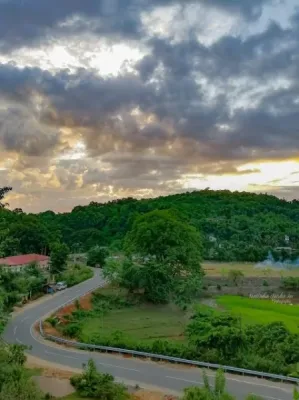
Bhimeswar Dham is situated near Pamohi in the Garchuk-Azara side of Guwahati, approximately 13-14 km from parts of central Guwahati, depending on the route and starting point.
By road: A private car, local taxi or app-based cab is a convenient way to reach the hill's approach area. Follow directions towards Garchuk and Pamohi, using the temple entrance or a confirmed local landmark as your destination. Road conditions and the final drop-off point may vary.
From Guwahati Railway Station: Visitors arriving by train can hire a taxi or arrange local transport towards Pamohi. Allow extra time for traffic and the final walk to the shrine.
From Guwahati Airport: Lokpriya Gopinath Bordoloi International Airport is the nearest airport. A taxi or app-based cab can take you towards the Pamohi area, with travel time depending on traffic.
Final approach: The shrine requires a short walk along a natural path from the vehicle drop-off point. The exact walking time depends on the route, weather and individual mobility. Confirm current access conditions locally before visiting.
Visitor Tips and Nearby Accommodation
Wear comfortable clothes and carry drinking water for the walk. Keep the surroundings clean, avoid disturbing wildlife and follow the instructions of temple volunteers or local authorities. If particular religious customs apply to footwear, clothing or leather items near the shrine, confirm the rules on arrival rather than assuming that every restriction is in force.
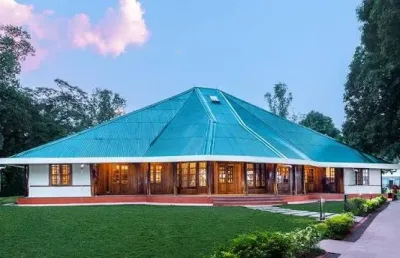
Bhimeswar Dham is close to the wider Guwahati urban area, where visitors can find hotels, guest houses and homestays. Travellers may compare accommodation around Garchuk, Azara and other well-connected parts of Guwahati according to budget and transport needs. No verified temple-specific accommodation or contact number was supplied in the reference information, so visitors should confirm lodging and local arrangements independently.
Bhimeswar Dham offers a combination of devotion, mythology and nature within reach of Guwahati. For those interested in Shiva temples and lesser-known religious places in Assam, its open-air shrine and forested approach make it a meaningful stop on a regional sightseeing itinerary.