Life & Legacy
Early Life and Struggles
Sarbeswar Basumatary was born on April 8, 1962, in a humble tribal family in Panbari village of Chirang district, Assam. Growing up in a large family with eight siblings, he faced severe financial hardships from an early age. His parents worked as daily wage laborers, and survival often depended on uncertain income and forest resources.
Due to poverty, he could only complete education up to class 5 at Bagidwara L.P. School. At a very young age, he had to start working to support his family. He initially worked as a ploughman in Bokakhat and later took up various low-paying jobs, including working in coal mines in Meghalaya, where he earned as little as Rs 2 to Rs 4 per day.
Despite these challenges, Sarbeswar nurtured a strong determination to improve his life and earn respect in society. His early experiences shaped his resilience and motivated him to pursue a better future through agriculture.
Beginning of His Farming Journey
In the early 1980s, Sarbeswar returned to his native place and began cultivating land on lease. Initially, he followed traditional farming methods, growing crops like eggplant, chilli, and Assam lemon. However, due to lack of scientific knowledge and poor soil fertility, his early efforts did not yield significant results.
A turning point came when he attended agricultural training programs at the Bijni Sub-Divisional Agriculture Office in the late 1990s. With guidance from experts, he began to understand modern farming techniques and gradually improved his agricultural practices.
In 1995-96, he managed to purchase a small piece of land, marking a major milestone in his life. This allowed him to experiment with different crops and farming methods with greater independence.
Adoption of Integrated Farming
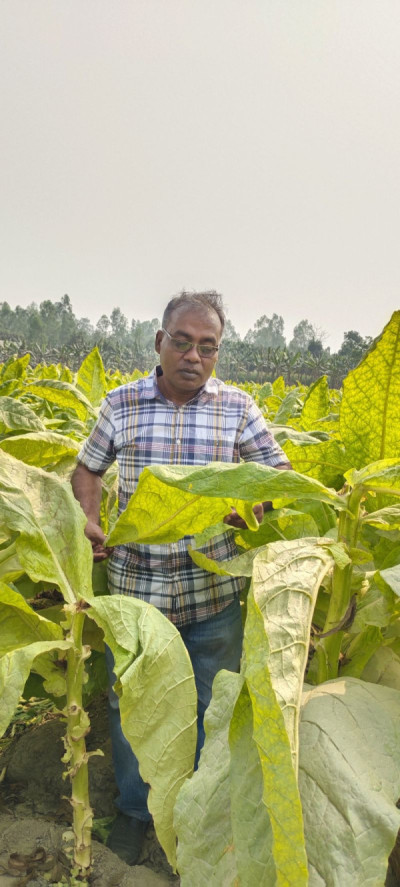
Sarbeswar Basumatary is widely known for his innovative approach to integrated farming. Instead of relying on a single crop, he adopted a diversified model that combines multiple agricultural activities to ensure year-round income and sustainability.
His farming system includes:
- Crop cultivation (banana, orange, pineapple, turmeric, papaya, areca nut)
- Fish farming (pisciculture in multiple ponds)
- Piggery
- Sericulture (silk production)
- Nursery development with thousands of saplings
By implementing intercropping techniques, he successfully maximized land use and improved productivity. For example, he grows bananas, areca nuts, and turmeric together, ensuring continuous harvest and income throughout the year.
Fish Farming and Innovation
In 2007, Sarbeswar underwent training in fishery, which led him to integrate aquaculture into his farm. He developed several ponds across his land and began fish farming alongside crop cultivation.
Through careful management of water ecosystems, including the use of natural organisms like plankton, he improved fish growth and profitability. His integrated approach ensures that both agriculture and fishery complement each other, increasing overall farm productivity.
Today, his fish farming activities generate significant income, making him a model for sustainable rural entrepreneurship.
Training, Exposure, and Knowledge Sharing
Sarbeswar Basumatary continuously upgraded his knowledge by attending training programs and visiting different states such as Andhra Pradesh, Odisha, and West Bengal. He also received horticulture training from Kalyani University in Kolkata.
He is actively associated with agricultural institutions and organizations, including:
- Advisory Board of Fishery Department, Chirang
- Krishi Vigyan Kendra (KVK)
- Sericulture Department, Chirang
- Bordosila Farmer Producer Company Limited (as a promoter since 2017)
He also established a nursery with 70,000 to 75,000 saplings, which serves as a learning center for local farmers. Through this initiative, he trains and guides others in adopting modern and profitable farming techniques.
Awards and Recognition
Sarbeswar Basumatary has received numerous awards and honors for his contribution to agriculture. His achievements include:
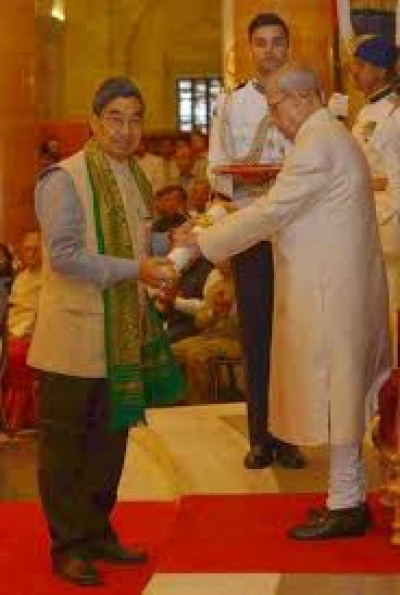
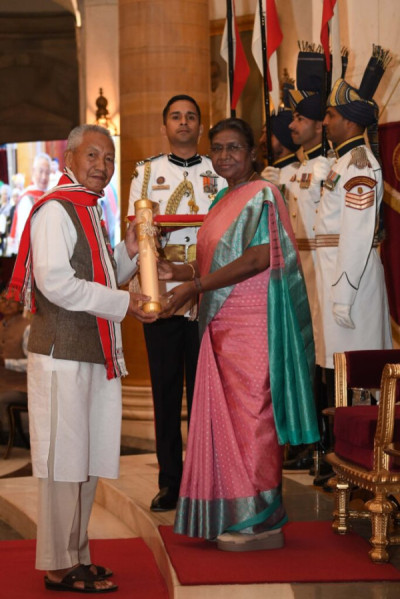
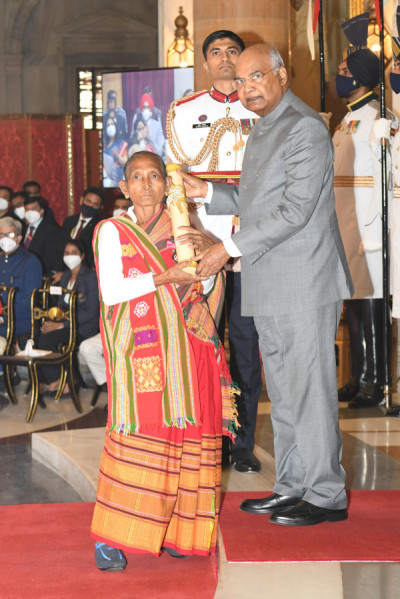
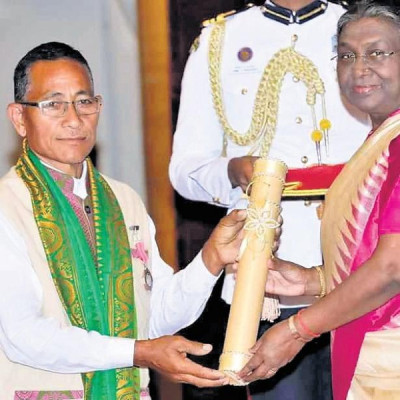
- Padma Shri (2024)
- Assam Gaurav Award (2022-23)
- Best Farmer Award by Assam Agricultural University (2022)
- Award of Excellence in Sericulture by Central Silk Board (2015)
- Bishnu Rabha-related recognitions and regional honors
- Best Farmer Awards from various government and institutional bodies
These recognitions highlight his impact as a progressive farmer and a leader in agricultural innovation.
Contribution to Society
Beyond his personal success, Sarbeswar Basumatary is deeply committed to empowering other farmers. He believes that education and scientific knowledge are essential for modern agriculture.
He actively encourages young people to take up farming as a profession and adopt innovative practices. His efforts have helped many farmers improve their income and livelihoods.
His journey from a daily wage laborer to a Padma Shri awardee serves as a powerful inspiration for rural communities across India.
Legacy and Impact
Sarbeswar Basumatary’s story is not just about farming; it is about determination, innovation, and transformation. He has demonstrated how integrated farming can be a sustainable and profitable model for small and marginal farmers.
His work has significantly contributed to the development of agriculture in Assam, especially in the Bodoland Territorial Region. By combining traditional knowledge with modern techniques, he has created a model that can be replicated across the country.
Today, he is recognized as a pioneer of integrated farming in Assam and a role model for aspiring farmers. His life continues to inspire thousands of people to believe in hard work and innovation.
FAQs on Sarbeswar Basumatary