Life & Legacy
Early Life
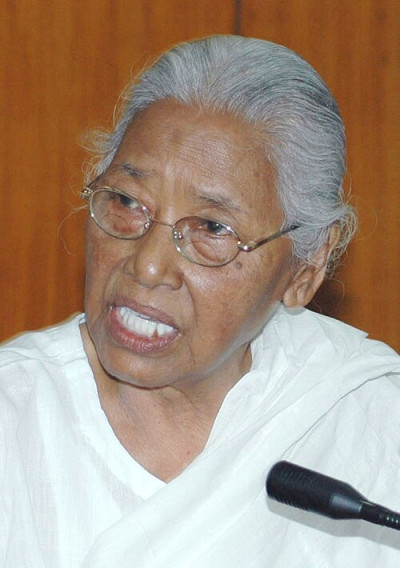
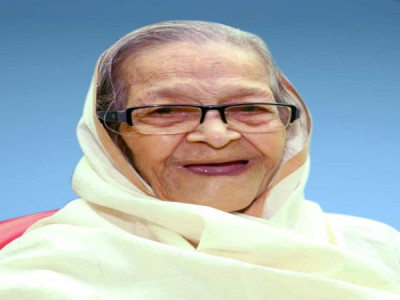
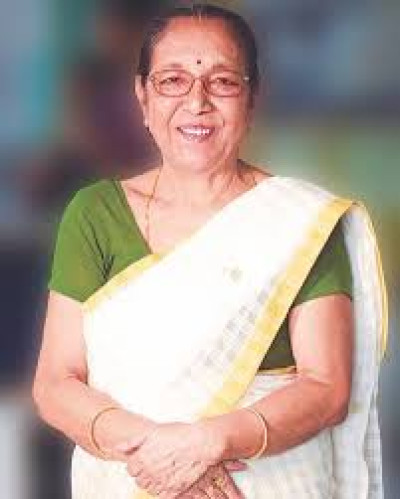
Lakhimi Baruah was born in 1949 in Golaghat district of Assam and spent much of her early life in Jorhat. Her childhood was filled with hardships after losing both her parents at a young age. Raised by relatives, she understood the importance of education and self-reliance despite facing financial difficulties. These experiences shaped her determination to work for women who struggled with poverty and economic insecurity.
Education
Due to family circumstances, Lakhimi Baruah had to discontinue her studies for some time. After her marriage in 1973, she resumed her education while working and successfully completed her graduation in 1980. Her perseverance became an inspiration for many women who believed that education could be pursued regardless of age or personal challenges.
Career and Women's Financial Empowerment
Lakhimi Baruah began her professional career in the banking sector, where she observed that many women from rural and economically weaker backgrounds were unable to access banking services because of illiteracy, lack of awareness, and financial dependence. These observations inspired her to create an institution exclusively dedicated to women's financial needs.
In 1983, she established a Mahila Samiti in Jorhat to encourage women to save money, become financially aware, and participate in self-help activities. Realising that women required a dedicated banking institution, she initiated the process of establishing an all-women cooperative bank in 1990.
After nearly eight years of continuous effort, the Reserve Bank of India approved the proposal, and the Konoklata Mahila Urban Cooperative Bank was established. Named after freedom fighter Kanaklata Barua, the bank became Assam's first women-run cooperative bank and one of the earliest such institutions in North East India. Beginning with limited capital and over a thousand women members, the bank gradually expanded its services and helped thousands of women open savings accounts, obtain affordable loans, start businesses, and become financially independent.
The institution is managed primarily by women and focuses on promoting savings, entrepreneurship, self-employment, and financial literacy. The bank has played an important role in strengthening self-help groups and supporting women from economically disadvantaged communities across Assam.
Social Work and Contributions
Apart from banking, Lakhimi Baruah has consistently worked for women's welfare and community development. She has promoted financial literacy among rural women, encouraged entrepreneurship, and supported self-help groups by providing easier access to banking facilities.
Her efforts have enabled many women to establish small businesses, improve household income, educate their children, and become economically self-sufficient. Through her leadership, the cooperative banking movement has become an effective model for women's empowerment in Assam.
She has also served as a Systematic Voters Education and Electoral Participation (SVEEP) icon to encourage democratic participation and voter awareness.
Major Achievements
- Founder of Konoklata Mahila Urban Cooperative Bank.
- Established Assam's first women-run urban cooperative bank.
- Promoted financial inclusion among economically weaker women.
- Encouraged thousands of women to become entrepreneurs.
- Strengthened women-led self-help groups across Assam.
- Played a significant role in women's financial literacy.
- Recognised nationally for promoting women's empowerment.
- Inspired cooperative banking initiatives in North East India.
Awards and Recognition
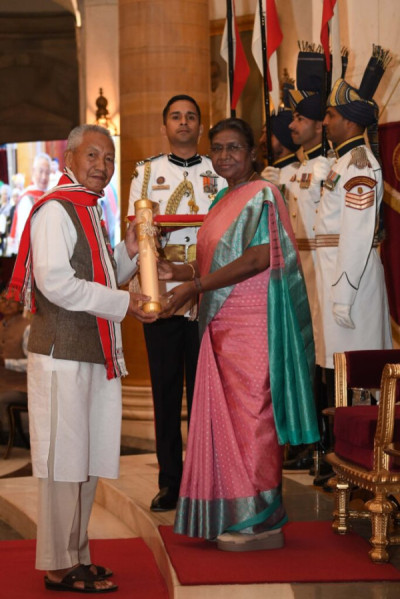
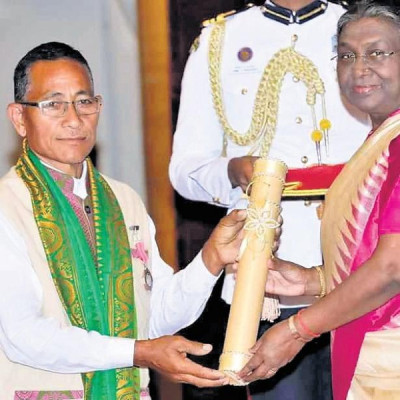
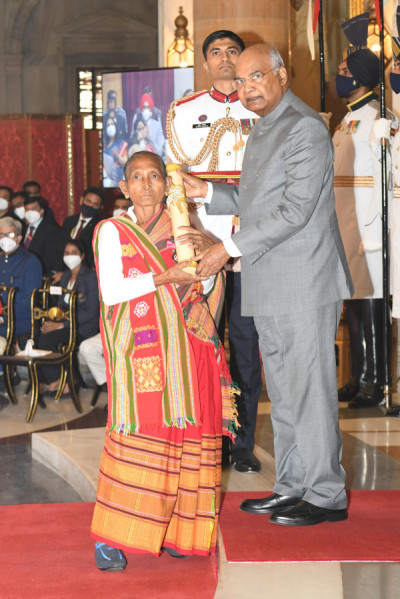
- Padma Shri (2021)
- Devi Ahilya Bai Holkar Award (2015)
- Jingle Award (2019)
- Various honours from government and social organisations for women's empowerment and cooperative banking.
Positions Held
- Founder, Konoklata Mahila Urban Cooperative Bank
- Managing Director, Konoklata Mahila Urban Cooperative Bank
- Social Worker
- Women's Financial Empowerment Advocate
- SVEEP Icon, Jorhat District Administration
Lakhimi Baruah's journey demonstrates how determination, compassion, and visionary leadership can transform society. By creating banking opportunities for women who were previously excluded from the formal financial system, she has empowered thousands of families across Assam. Her contribution remains one of the finest examples of social entrepreneurship and women's financial inclusion in India.
FAQs about Lakhimi Baruah