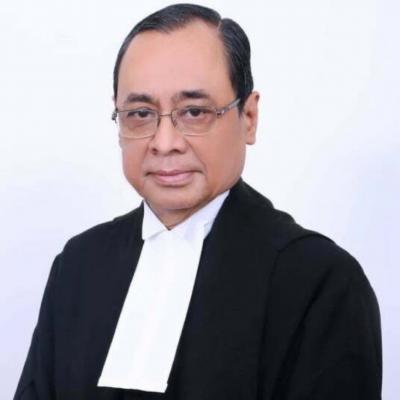
Life & Legacy
Early Life
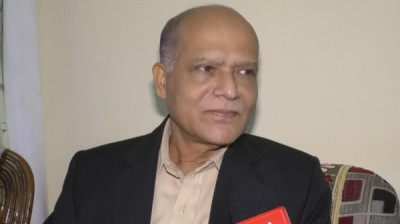
Ranjan Gogoi was born on 18 November 1954 in Dibrugarh, Assam, into a respected family with a long tradition of public service. His father, Kesab Chandra Gogoi, briefly served as the Chief Minister of Assam, while his mother, Shanti Priya Gogoi, was a well-known social worker who dedicated herself to community welfare. Growing up in an intellectually rich environment, Ranjan Gogoi developed a strong sense of responsibility, discipline, and respect for the rule of law from an early age.
Education
Ranjan Gogoi completed his early education at Don Bosco School in Dibrugarh. He later studied at Cotton College in Guwahati before moving to Delhi for higher studies. He graduated with a degree in History from St. Stephen's College, University of Delhi, and subsequently earned his Bachelor of Laws (LLB) from the Faculty of Law, University of Delhi. His legal education laid the foundation for a distinguished career in constitutional and judicial service.
Legal Career
After completing his law degree, Ranjan Gogoi enrolled as an advocate in 1978 and began practicing at the Gauhati High Court. He handled cases related to constitutional law, taxation, company law, and public service matters. His sharp legal knowledge and integrity earned him recognition among the legal fraternity.
In 1999, he was designated as a Senior Advocate. On 28 February 2001, he was appointed as a permanent judge of the Gauhati High Court. During his tenure, he was widely appreciated for improving judicial efficiency by grouping similar cases together, which helped reduce the backlog of pending matters.
Later, he served as Chief Justice of the Punjab and Haryana High Court before being elevated as a Judge of the Supreme Court of India in April 2012.
Chief Justice of India
On 3 October 2018, Justice Ranjan Gogoi assumed office as the 46th Chief Justice of India, creating history as the first Chief Justice from Assam and Northeast India.
As Chief Justice, he emphasized judicial accountability, transparency, and faster disposal of pending cases. He also introduced administrative reforms within the Supreme Court and encouraged greater efficiency in case management.
His tenure witnessed several Constitution Bench decisions that attracted national and international attention. Under his leadership, the Supreme Court delivered judgments in numerous important constitutional, civil, administrative, and public interest matters that shaped India's legal landscape.
Major Judgments and Contributions
Justice Ranjan Gogoi was associated with several landmark judicial decisions during his tenure in the Supreme Court.
Some of his most notable contributions include:
- Became the first Chief Justice of India from Assam and Northeast India.
- Supervised the updating process of the National Register of Citizens (NRC) in Assam.
- Presided over the Constitution Bench that delivered the final judgment in the Ayodhya land dispute in 2019.
- Delivered important judgments relating to judicial transparency and public administration.
- Played a key role in increasing the sanctioned strength of Supreme Court judges.
- Encouraged reforms aimed at reducing judicial delays and case pendency.
- Supported greater transparency by making Collegium decisions publicly available.
- Participated in several Constitution Bench decisions concerning constitutional rights, governance, arbitration, elections, taxation, and environmental issues.
Rajya Sabha Membership
Following his retirement from the Supreme Court in November 2019, Ranjan Gogoi was nominated to the Rajya Sabha in March 2020 by the President of India. His nomination generated nationwide discussion regarding the relationship between the judiciary and the legislature. During his tenure in the Rajya Sabha, he served on parliamentary committees dealing with communications, information technology, and external affairs.
Major Achievements
Justice Ranjan Gogoi has achieved several remarkable milestones during his distinguished career.
His major achievements include:
- First Chief Justice of India from Assam.
- First Chief Justice of India from Northeast India.
- Served as the 46th Chief Justice of India.
- Judge of the Supreme Court of India from 2012 to 2018.
- Chief Justice of the Punjab and Haryana High Court.
- Permanent Judge of the Gauhati High Court.
- Senior Advocate of Gauhati High Court.
- Supervised the NRC process in Assam.
- Delivered several landmark constitutional judgments.
- Introduced judicial transparency through publication of Collegium decisions.
- Published the autobiography Justice for the Judge.
- Served as a nominated Member of the Rajya Sabha.
Awards and Recognition
Justice Ranjan Gogoi has received recognition for his contribution to Indian law and public service.
His notable honours include:
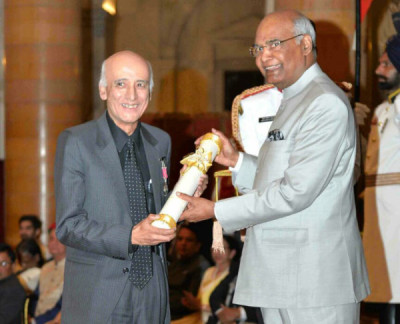
- Assam Baibhav, the highest civilian award of Assam (2023).
- Widely recognized as the first Chief Justice of India from Northeast India.
- Frequently invited to deliver lectures on constitutional law and judicial reforms.
- Regarded as one of Assam's most accomplished legal personalities.
- Recognized nationally for his contribution to constitutional jurisprudence and judicial administration.
Books Written
Justice Ranjan Gogoi has authored the following book:
- Justice for the Judge (2021)
The autobiography discusses his life, legal philosophy, important judicial decisions, and experiences in India's highest court.
Personal Life
Justice Ranjan Gogoi has largely maintained a private personal life. Throughout his judicial career, he remained focused on constitutional duties and public service. His disciplined approach, legal scholarship, and commitment to judicial independence have earned him respect within the Indian legal community.
Contribution to the National Register of Citizens (NRC)
Justice Gogoi played an important judicial role in monitoring the updating process of the National Register of Citizens (NRC) in Assam. Working under the supervision of the Supreme Court, the exercise aimed to update the citizenship register based on legal procedures established under Indian law.
Although the NRC process generated significant public debate and differing opinions, Justice Gogoi consistently maintained that the Court's responsibility was to ensure the implementation of existing legal provisions in a fair and transparent manner. His supervision remains one of the most notable aspects of his judicial career.
Landmark Judgments
During his years in the Supreme Court, Justice Ranjan Gogoi delivered or participated in numerous landmark judgments that continue to influence Indian jurisprudence. Some of his most notable judicial contributions include:
- Led the Constitution Bench that delivered the unanimous judgment in the Ayodhya title dispute.
- Brought the office of the Chief Justice of India under the Right to Information (RTI) Act, strengthening judicial transparency.
- Ordered the establishment of special courts for speedy trials involving Members of Parliament and Members of Legislative Assemblies.
- Delivered important rulings relating to arbitration and commercial disputes.
- Passed judgments concerning environmental protection and tribal rights, including the Niyamgiri mining case.
- Issued rulings promoting accountability in government advertising.
- Delivered significant decisions concerning governance, constitutional law and administrative reforms.
These judgments demonstrate his emphasis on constitutional governance, institutional accountability, and the rule of law.
Retirement
Justice Ranjan Gogoi retired from the office of the Chief Justice of India on 17 November 2019 after completing a distinguished judicial career spanning nearly two decades as a High Court and Supreme Court judge.
His retirement marked the conclusion of a historic chapter in Indian judicial history, particularly for Assam and Northeast India, as he remains the first individual from the region to have served as the country's Chief Justice.
Following his retirement, he continued participating in public discussions on constitutional issues and judicial reforms through lectures, interviews and publications.
FAQs on Ranjan Gogoi
1. Who is Ranjan Gogoi?
Ranjan Gogoi is an Indian jurist who served as the 46th Chief Justice of India and became the first person from Assam and Northeast India to hold the country's highest judicial office.
2. When was Ranjan Gogoi born?
Ranjan Gogoi was born on 18 November 1954 in Dibrugarh, Assam.
3. Why is Ranjan Gogoi famous?
He is famous for serving as the Chief Justice of India and for delivering several landmark constitutional judgments, including the Ayodhya verdict.
4. Who was Ranjan Gogoi's father?
His father was Kesab Chandra Gogoi, a former Chief Minister of Assam.
5. Where did Ranjan Gogoi study?
He studied at Don Bosco School, Cotton College, St. Stephen's College, Delhi, and later earned his law degree from the Faculty of Law, University of Delhi.
6. Which book has Ranjan Gogoi written?
He authored the autobiography Justice for the Judge, published in 2021.
7. Did Ranjan Gogoi serve in Parliament?
Yes. He served as a nominated Member of the Rajya Sabha from 2020 to 2026.
8. Which award has Ranjan Gogoi received from Assam?
He received the Assam Baibhav, the state's highest civilian award, in 2023.
9. Is Ranjan Gogoi alive?
Yes. As of July 2026, Justice Ranjan Gogoi is alive.
10. Why is Ranjan Gogoi important in Assam's history?
He is regarded as one of Assam's most accomplished legal personalities because he became the first Chief Justice of India from the state and the entire Northeast, inspiring generations through his distinguished judicial career.