Life & Legacy
Early Life
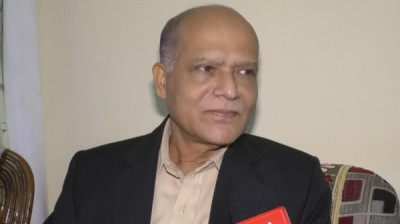
Jadav "Molai" Payeng was born on 31 October 1959 in Assam and belongs to the indigenous Mising community. He spent his childhood in a rural environment where rivers, forests, and wildlife formed an important part of everyday life. Growing up close to nature allowed him to understand the delicate balance between humans and the environment from an early age.
His life changed forever in 1979 when, after severe flooding along the Brahmaputra River, he witnessed hundreds of snakes lying dead on an exposed sandbar because there were no trees to provide shade. The heartbreaking incident deeply affected the young Payeng and inspired him to dedicate his life to restoring the damaged ecosystem.
Education
There is no widely documented record of Jadav Payeng receiving higher formal education. Instead, he gained practical knowledge through years of working with nature, observing ecological processes, and understanding local biodiversity. His experience and dedication have made him one of India's most respected environmental conservationists despite having no formal academic background in forestry.
The Beginning of His Environmental Mission
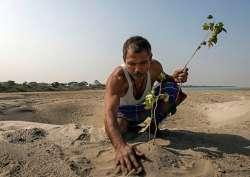
At the age of sixteen, Jadav Payeng started planting bamboo saplings on a deserted sandbar near Kokilamukh in Assam. What began as a small personal initiative gradually developed into a lifelong mission. He continued planting indigenous tree species every year while protecting young saplings from floods, grazing animals, and harsh weather.
Unlike government plantation drives, his work was carried out almost entirely through individual effort. He collected seeds, nurtured plants, and personally cared for the growing forest for decades without expecting recognition or financial reward.
Creation of Molai Forest
After more than four decades of continuous work, the once barren sandbar became a dense forest now known as Molai Forest, named after Payeng's nickname "Molai." Spread across approximately 1,360 acres (about 550 hectares), the forest stands as one of the most remarkable examples of individual environmental restoration in the world.
Molai Forest contains thousands of native trees including bamboo, arjun, koroi, himolu, ejar, valcol and several other indigenous species. The forest has significantly improved the local ecosystem by reducing soil erosion, increasing green cover, improving groundwater retention, and providing shelter for wildlife.
Wildlife Conservation
The forest created by Jadav Payeng has become an important wildlife habitat in Assam. Over the years, numerous species have returned to the area, including:
- Bengal Tigers
- Indian Rhinoceroses
- Asian Elephants
- Deer
- Wild Boars
- Rabbits
- Monkeys
- Vultures
- Migratory Birds
- Various reptiles and insects
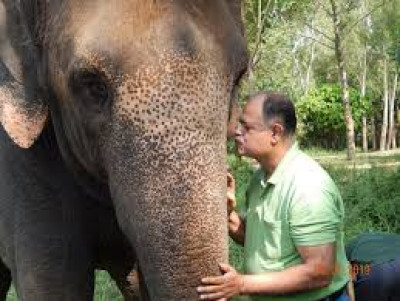
Large herds of elephants regularly visit the forest, while several calves have been born there over the years, demonstrating the ecological success of the restored habitat.
Contribution to Environmental Conservation
Jadav Payeng's contribution extends beyond tree planting. His work demonstrates how degraded land can be restored naturally through consistent effort and ecological understanding. His forest absorbs significant amounts of carbon dioxide, helps control erosion along the Brahmaputra River, protects biodiversity, and creates a healthier environment for future generations.
He frequently participates in environmental awareness programs, educational events, and public discussions, encouraging young people to plant trees and conserve natural resources. His life has become an international example of sustainable environmental action.
National and International Recognition
Although he worked quietly for many years, his extraordinary achievement gained public attention after forest officials discovered the dense forest during an elephant tracking operation in 2008. Since then, environmental organizations, universities, researchers, and governments have recognized his contribution.
His inspiring story has been featured in documentaries, books, educational materials, and international media, making him one of India's best-known environmental icons.
Major Achievements
- Created the famous Molai Forest entirely through individual effort.
- Converted a barren sandbar into a thriving forest ecosystem.
- Restored approximately 1,360 acres of degraded land.
- Helped conserve numerous wildlife species.
- Promoted environmental awareness across India.
- Inspired afforestation movements nationally and internationally.
- Became globally known as the "Forest Man of India."
- Continues promoting ecological conservation and tree plantation.
Awards and Recognition
- Padma Shri (2015), India's fourth-highest civilian award.
- Popularly honored as the "Forest Man of India."
- Honorary recognition from Jawaharlal Nehru University.
- Ecological Restoration Award by Balipara Foundation.
- Honorary Doctorate from Assam Agricultural University.
- Honorary Doctorate from Kaziranga University.
- Numerous national and international environmental awards and recognitions.
- Featured in global documentaries and conservation studies.
Books and Documentaries Related to Jadav Payeng
Although Jadav Payeng is not widely known for authoring books himself, his life has inspired several publications and films.
Documentaries:
- The Molai Forest
- Foresting Life
- Forest Man
Children's Books:
- Jadav and the Tree-Place
- The Boy Who Grew A Forest: The True Story of Jadav Payeng
Personal Life
Jadav Payeng lives a simple life with his family near the Molai Forest in Assam. Along with maintaining the forest, he supports his family through traditional farming and dairy activities. Despite receiving worldwide recognition, he continues visiting the forest regularly to care for the trees and wildlife that have become his lifelong responsibility.
Legacy
Jadav Payeng's legacy represents hope, perseverance, and environmental responsibility. His remarkable achievement proves that meaningful environmental restoration does not always require massive funding or large organizations. His dedication has inspired students, conservationists, governments, and environmental activists across the world.
His life serves as a powerful reminder that protecting nature begins with individual action. Molai Forest stands today not only as a forest but also as a symbol of patience, commitment, and the lasting impact one person can have on the planet.
FAQs on Jadav Payeng
1. Who is Jadav Payeng?
Jadav Payeng is an Indian environmental activist from Assam who is popularly known as the Forest Man of India for creating the famous Molai Forest through decades of tree plantation.
2. Why is Jadav Payeng called the Forest Man of India?
He earned the title because he single-handedly transformed a barren sandbar on the Brahmaputra River into a dense forest over several decades.
3. Where is Molai Forest located?
Molai Forest is located near Kokilamukh in Assam on a sandbar of the Brahmaputra River.
4. How large is Molai Forest?
The forest covers approximately 1,360 acres (around 550 hectares).
5. Which award did Jadav Payeng receive from the Government of India?
He received the Padma Shri in 2015 for his outstanding contribution to environmental conservation.
6. Which animals live in Molai Forest?
The forest is home to elephants, Bengal tigers, Indian rhinoceroses, deer, monkeys, rabbits, vultures, migratory birds, and many other species.
7. What inspired Jadav Payeng to plant trees?
He was inspired after witnessing hundreds of snakes die on a barren sandbar following floods due to the absence of tree cover.
8. Does Jadav Payeng still work on forest conservation?
Yes. He continues planting trees, maintaining Molai Forest, and promoting environmental awareness.
9. Has Jadav Payeng written any books?
There are no widely recognized books authored by him, but several books and documentaries have been created about his life and environmental work.
10. Why is Jadav Payeng important in Assam?
He is one of Assam's greatest environmental icons whose lifelong dedication to afforestation has brought global recognition to the state and inspired millions to protect nature.