Life & Legacy
Early Life
Mula Gabharu was born into the royal Ahom family during the reign of the powerful Ahom king Swargadeo Suhungmung, also known as Dihingia Raja, in the early sixteenth century. She was one of his daughters and grew up in an environment that emphasized discipline, administration, military preparedness, and cultural values. Members of the Ahom royal family, including women, were often familiar with governance and the responsibilities of protecting the kingdom.
Like other royal women of the Ahom dynasty, she was respected not only for her noble birth but also for her intelligence, determination, and commitment to the welfare of her people.
Education
Although historical records do not provide detailed information about Mula Gabharu's formal education, it is believed that she received royal training suitable for an Ahom princess. This included knowledge of administration, traditional customs, diplomacy, and religious practices. She was also familiar with military traditions and the responsibilities expected from members of the royal household during times of war.
Marriage and Family
Mula Gabharu was married to the distinguished Ahom commander Frasengmung Borgohain, one of the kingdom's most capable military leaders. Their marriage strengthened the relationship between the Ahom royal family and its military leadership.
Frasengmung Borgohain earned respect for defending the Ahom Kingdom against repeated invasions. The couple shared a strong sense of loyalty toward the kingdom and played important roles during one of Assam's most significant military conflicts.
The Battle Against Turbak
During the reign of Swargadeo Suhungmung, the Bengal Sultanate launched repeated military expeditions into Assam under the command of Turbak Khan. The invading army possessed a large number of trained soldiers, cavalry, and advanced weapons, creating a serious threat to the Ahom Kingdom.
Frasengmung Borgohain led the Ahom forces in resisting the invasion with great determination. During the fierce fighting, he was fatally wounded while defending the kingdom. His death was a major loss for the Ahom army and could have weakened the morale of the soldiers.
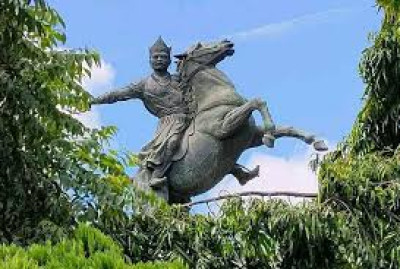
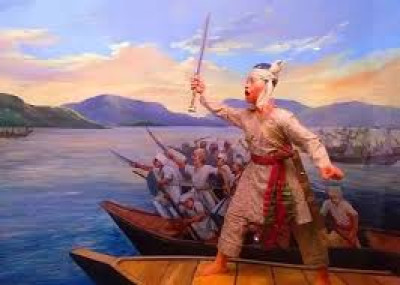
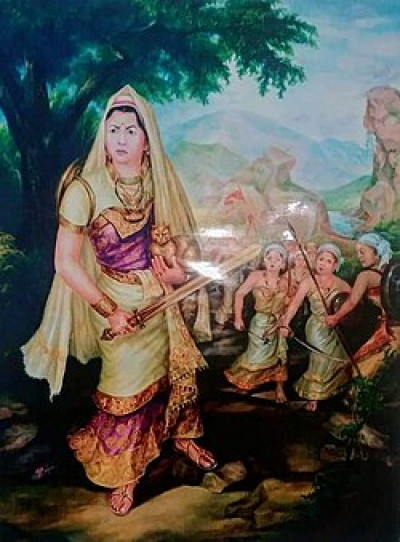
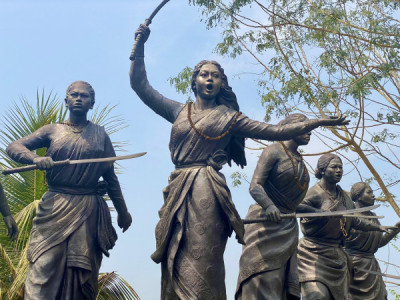
Instead of surrendering to grief, Mula Gabharu demonstrated exceptional courage. She wore her husband's armour, mounted a horse, and personally entered the battlefield to inspire the Ahom soldiers. Her fearless leadership encouraged the warriors to continue fighting despite heavy losses.
Historical accounts describe her as fighting with remarkable bravery until she was eventually killed in combat. Her sacrifice strengthened the resolve of the Ahom army, which later defeated the invading forces and successfully protected Assam from foreign conquest.
Sacrifice and Legacy
Mula Gabharu's sacrifice occupies a unique place in the history of Assam. She is regarded as one of the earliest recorded women warriors of the Ahom Kingdom who willingly laid down her life while defending her homeland.
Her story represents courage, patriotism, leadership, and dedication to duty. Rather than remaining within the palace after the death of her husband, she chose to lead by example and fight alongside the soldiers. Her actions continue to inspire generations of Assamese people, particularly women, to face adversity with determination and confidence.
Today, her life is remembered through educational institutions, cultural programmes, historical writings, and public commemorations across Assam. Her name remains synonymous with bravery and national pride.
Achievements
- Ahom princess known for exceptional courage.
- Wife of the renowned Ahom commander Frasengmung Borgohain.
- Personally entered the battlefield after her husband's death.
- Inspired Ahom soldiers during the invasion led by Turbak Khan.
- Became a symbol of women's bravery in Assamese history.
- Played a significant role in strengthening the morale of the Ahom army.
- Remembered as one of Assam's greatest historical heroines.
- Continues to inspire literature, education, and cultural programmes across Assam.
Awards and Recognition
Although no formal awards existed during her lifetime, Mula Gabharu has been honoured through various recognitions in modern Assam.
- Educational institutions and organizations commemorate her contributions.
- Her story is included in Assamese history books and academic studies.
- Cultural organisations organise programmes highlighting her sacrifice.
- She is widely recognised as one of the greatest women warriors in Assam's history.
- Her legacy is celebrated during discussions on women's empowerment and Assamese heritage.
Death
Mula Gabharu was martyred while fighting against the invading army led by Turbak Khan during the sixteenth century. She sacrificed her life on the battlefield while defending the Ahom Kingdom. Her death is remembered not as a defeat but as an act of supreme courage that strengthened the determination of the Ahom army to secure victory.
Conclusion
Mula Gabharu remains one of the most respected historical figures in Assam. Her fearless decision to fight for her kingdom after the death of her husband transformed her into a lasting symbol of patriotism and sacrifice. Her remarkable courage continues to inspire students, historians, and people across Assam, ensuring that her legacy lives on as one of the brightest examples of bravery in Indian history.
Mula Gabharu Diwas
Mula Gabharu Diwas is observed every year on 29 May across Assam in remembrance of Birangana Mula Gabharu, one of the bravest women in the history of the Ahom Kingdom. She is celebrated for her extraordinary courage, fearless leadership, and supreme sacrifice while defending Assam against invading forces during the 16th century.
Mula Gabharu Diwas is observed not only to remember her heroic sacrifice but also to inspire future generations with the values of courage, patriotism, leadership, and selfless service. Across Assam, educational institutions, cultural organizations, and social groups organize commemorative events, seminars, tribute ceremonies, and awareness programmes to highlight her remarkable contribution to the state's history.
One of the major highlights of the occasion is the presentation of the Birangana Mula Gabharu Award, conferred by organizations such as the Tai Ahom Yuva Parishad to recognize outstanding women for their achievements and contributions to society. The observance continues to strengthen public awareness of Assam's rich historical heritage while celebrating Mula Gabharu as an enduring symbol of women's empowerment, resilience, and unwavering love for the motherland.
FAQs on Mula Gabharu