Life & Legacy
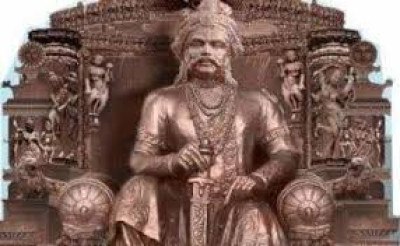
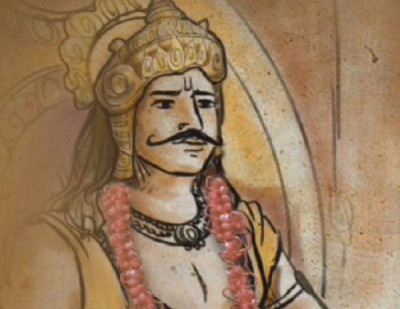
Often described as the unsung hero of medieval India, Lachit Borphukan was not only a warrior but also a strategist, administrator, and symbol of uncompromising loyalty to the motherland. His life story continues to inspire generations across Assam and beyond.
Early Life and Family Background
Lachit Borphukan was born on 24 November 1622 at Charaideo, the first capital of the Ahom kingdom. He belonged to an influential yet disciplined family deeply involved in state affairs. His father, Momai Tamuli Borbarua, was a legendary administrator and the first Borbarua of the Ahom state, known for reforming the Paik system and strengthening village economies.
From a young age, Lachit was trained in governance, military science, diplomacy, and ethics. Growing up during constant Ahom Mughal conflicts, he developed a deep understanding of warfare and statecraft. His education emphasized discipline, loyalty to the king, and absolute devotion to the land of Assam.
Rise Through Military Ranks
Lachit Borphukan did not inherit power by birth alone. He rose through the Ahom administrative and military hierarchy through merit and performance. He held several important posts that helped shape his leadership skills, including responsibilities related to royal cavalry, palace security, and frontier defense.
His efficiency, discipline, and deep knowledge of terrain and logistics earned the trust of Ahom king Chakradhwaj Singha. At a time when the Mughal Empire sought to reassert control over western Assam after earlier invasions, the king appointed Lachit Borphukan as the Borphukan, or Viceroy of western Assam, and Commander in Chief of the Ahom Army.
Strategic Importance of the Brahmaputra
The Brahmaputra River played a decisive role in the defense of Assam. Lachit Borphukan understood that controlling the river meant controlling access to the heart of the Ahom kingdom. Unlike the Mughals, whose strength lay in large land armies and heavy artillery, the Ahoms mastered riverine warfare using swift boats, flexible formations, and intimate knowledge of currents and channels.
Lachit transformed the Brahmaputra into a defensive barrier by building fortifications, mobilizing local boatmen, and deploying naval units at strategic points. This preparation would prove decisive during the Battle of Saraighat.
Battle of Saraighat: Turning the Tide of History
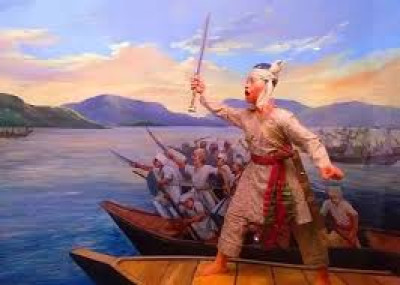
The Battle of Saraighat in 1671 was one of the most remarkable naval battles in Indian history. Mughal forces led by Raja Ram Singh I launched a massive campaign to conquer Assam, supported by superior numbers and firepower. The Ahom forces, though smaller, were better adapted to the terrain and guided by Lachit's leadership.
Lachit Borphukan employed guerrilla tactics, surprise attacks, and strategic retreats to exhaust the enemy. His fleet of light and fast boats surrounded larger Mughal vessels, disrupting their formations and supply lines. The narrow stretches of the Brahmaputra near Saraighat neutralized Mughal numerical superiority and turned the river into a trap.
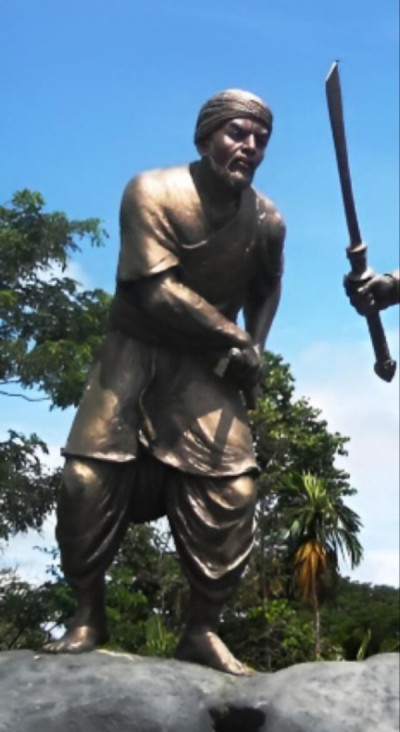
Even when gravely ill during the final phase of the battle, Lachit refused to leave the battlefield. He commanded from a boat, inspiring his soldiers with words of courage and resolve. His determination energized the Ahom forces, leading to a decisive Mughal retreat and securing Assam from further imperial incursions.
Patriotism Above Personal Bonds
One of the most powerful episodes associated with Lachit Borphukan reflects his uncompromising sense of duty. During preparations for defensive fortifications, he discovered that the work was delayed due to negligence by his own maternal uncle. Viewing this as an act of betrayal against the state, Lachit ordered his execution, declaring that no personal relationship was greater than the nation.
This act was not one of cruelty but of symbolic leadership, demonstrating that loyalty to Assam came before blood ties. It reinforced discipline within the army and administration and became a defining example of selfless patriotism in Assamese history.
Final Years and Death
Lachit Borphukan passed away on 25 April 1672, less than a year after his greatest victory. His health had deteriorated due to prolonged illness and relentless wartime stress. He was laid to rest at Hoolungapar near Jorhat, where his maidam stands today as a revered historical site.
Though his life was relatively short, his impact on Assam's history was immense. His leadership preserved the Ahom kingdom at a critical moment and ensured that Assam remained free from Mughal domination.
Legacy and Modern Recognition
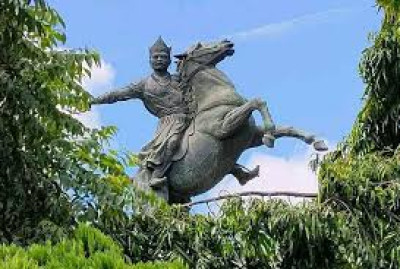
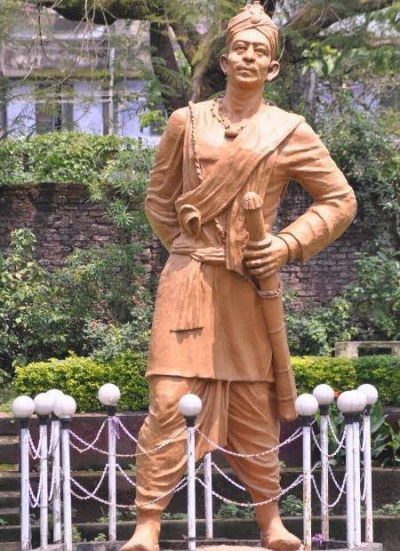
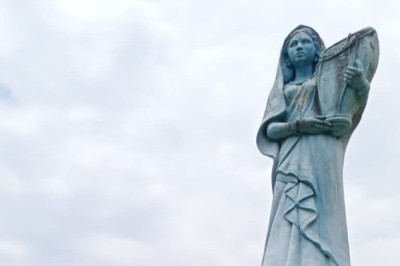
For centuries, Lachit Borphukan was celebrated primarily within Assam. In recent decades, his legacy has gained national recognition. A statue of Lachit Borphukan stands at the National Defence Academy in Pune, symbolizing exemplary leadership and courage.
Assam observes Lachit Divas every year on 24 November to honor his life and achievements. The prestigious Lachit Borphukan Gold Medal awarded at the NDA recognizes outstanding leadership among cadets, reinforcing his relevance in modern military values.
Lachit Borphukan represents resistance, integrity, and strategic brilliance. His story highlights how indigenous leadership and local knowledge successfully countered one of the most powerful empires of the time.
Significance in Indian History
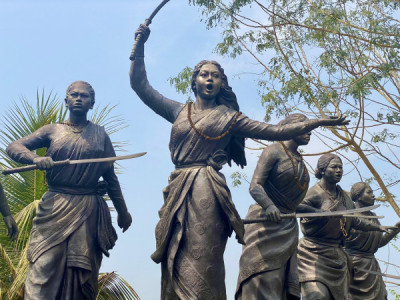
Lachit Borphukan occupies a unique position in Indian history as a defender of regional sovereignty. Assam remains the only region to have successfully repelled repeated Mughal invasions. His victory at Saraighat stands as proof that courage, planning, and unity can overcome overwhelming odds.
Today, Lachit Borphukan is not merely a historical figure but a symbol of Assam's indomitable spirit and a reminder of India's diverse traditions of resistance and leadership.
FAQs on Lachit Borphukan?
1. Who was Lachit Borphukan?
Lachit Borphukan was an Ahom general and Commander in Chief who led Assam to victory against the Mughal Empire in the Battle of Saraighat.
2. Why is Lachit Borphukan famous?
He is famous for defeating a much larger Mughal army in 1671 and preventing Mughal expansion into Assam.
3. What was the Battle of Saraighat?
The Battle of Saraighat was a naval battle fought on the Brahmaputra River where the Ahom forces defeated the Mughals under Lachit Borphukan.
4. When was Lachit Borphukan born?
Lachit Borphukan was born on 24 November 1622 at Charaideo in Assam.
5. Who was Lachit Borphukan's father?
His father was Momai Tamuli Borbarua, the first Borbarua of the Ahom kingdom.
6. When did Lachit Borphukan die?
Lachit Borphukan died on 25 April 1672.
7. What is Lachit Divas?
Lachit Divas is observed on 24 November every year to honor Lachit Borphukan's bravery and leadership.
8. Where is Lachit Borphukan's tomb located?
His tomb, known as a maidam, is located at Hoolungapar near Jorhat in Assam.
9. What award is named after Lachit Borphukan?
The Lachit Borphukan Gold Medal is awarded at the National Defence Academy for excellence in leadership.
10. Why is Lachit Borphukan important today?
He symbolizes patriotism, strategic brilliance, and resistance against foreign invasion, inspiring modern India.