In Depth
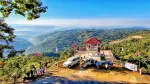
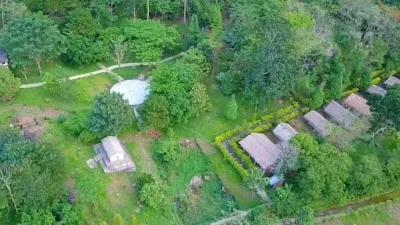
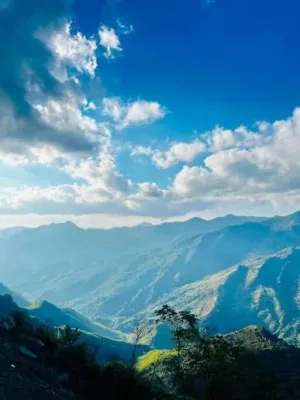
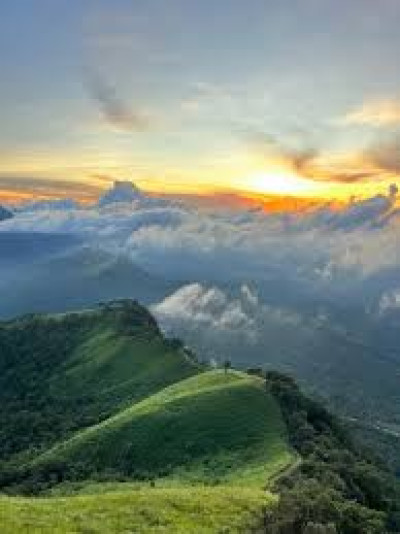
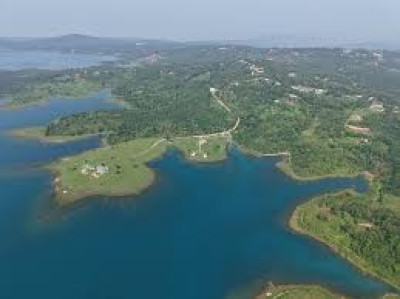
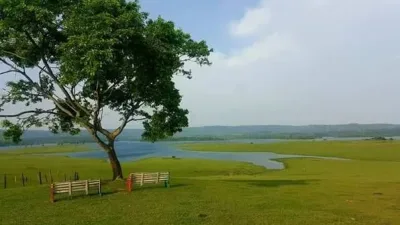
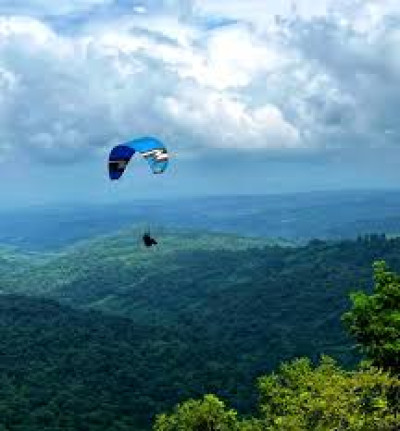
The landscape around Gunjung is characterised by green hills, forested slopes, valleys and winding roads. Its elevated terrain and open hill slopes have also helped the area emerge as an adventure tourism destination, particularly for paragliding. During suitable weather conditions, visitors can experience tandem flights with trained pilots while enjoying aerial views of the surrounding hills and valleys.
Gunjung View Point
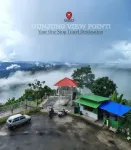
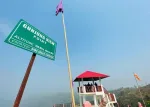
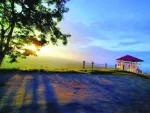
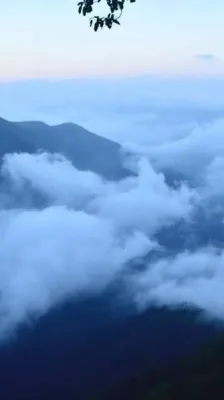
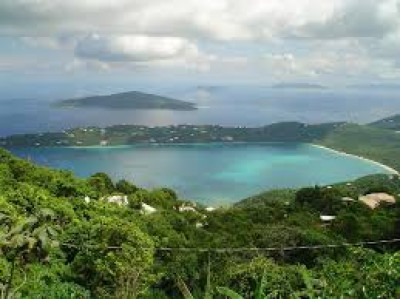
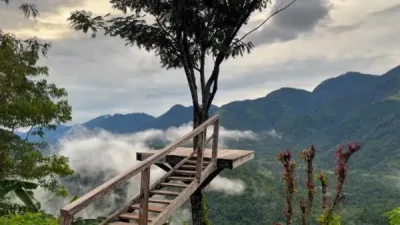
One of the attractions associated with the destination is Gunjung View Point, where visitors can enjoy expansive views of the surrounding hill country. On clear days, the viewpoint offers a peaceful setting for photography and sightseeing, while clouds and mist can create a changing landscape across the hills.
Adventure Activities in Gunjung
Paragliding is one of the main reasons adventure enthusiasts visit Gunjung. The activity provides an opportunity to view the Dima Hasao landscape from above and is generally more suitable during the drier months when weather conditions are favourable.
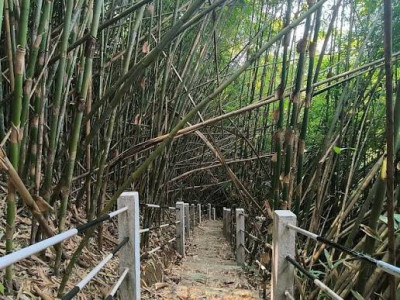
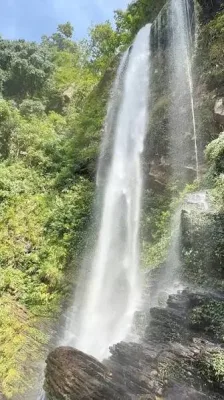
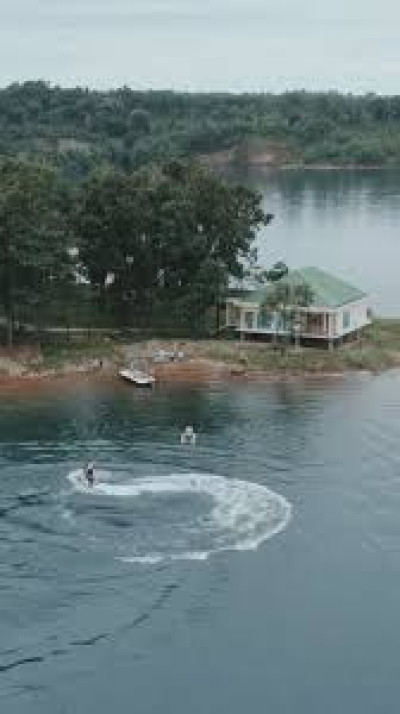
The surrounding terrain also provides opportunities for trekking, camping and nature photography. Forest trails, village paths and nearby natural attractions make the wider Gunjung area suitable for travellers who prefer outdoor experiences rather than conventional sightseeing.
History of Gunjung
Gunjung has historical importance in the administrative history of the region. In the late 19th century, the area became a sub-division under the then Cachar district, with Gunjung serving as an administrative headquarters from around 1880. The headquarters was later shifted to Haflong in 1895.
This historical background gives Gunjung an additional dimension beyond its present identity as an adventure and nature destination.
Local Culture and Village Life
Gunjung lies within a culturally diverse part of Dima Hasao where several indigenous communities have traditionally lived across the surrounding hills. Visitors can experience aspects of local village life, traditional agriculture, handicrafts, food and community traditions.
The broader Dima Hasao region is particularly known for its rich tribal heritage, including Dimasa cultural traditions. Travellers visiting villages should respect local customs and seek permission before photographing people, homes or cultural activities.
Best Time to Visit Gunjung
The best time to visit Gunjung is generally October to April, when the weather is more comfortable for sightseeing, trekking, camping and other outdoor activities. Clearer conditions during this period can also be favourable for paragliding, although flights always depend on the operator's assessment of weather and wind conditions.
The monsoon months can make the landscape exceptionally green and attractive, but heavy rainfall may make hill roads and trekking routes more difficult. Visitors should check local weather and activity availability before travelling during the rainy season.
How to Reach Gunjung from Guwahati?
Where to Stay in Gunjung?
Accommodation options directly within Gunjung may be limited compared with Haflong. Travellers can look for local homestays, guest houses or other community-based accommodation in and around the village.
Haflong is the more convenient base for visitors who want a wider choice of hotels, guest houses and other accommodation. Staying in a local homestay, where available, can also provide an opportunity to experience the culture and lifestyle of the hill communities.
Whom to Contact for Gunjung Activities?
For activities such as paragliding, trekking and camping, visitors should contact the local tourism or adventure activity organisers operating in Gunjung and confirm availability before travelling. Paragliding should only be undertaken through operators who provide appropriate equipment and trained or qualified pilots.
For village visits and trekking routes, local residents, guides or tourism groups can provide useful information about current road and trail conditions. Activity availability, prices and operating schedules may change according to season and weather.
Contact Numbers for Gunjung Paragliding & Adventure Bookings: +91 8472983248, 9957507015, 8310263367
Contact Numbers For Gunjung Sightseeing & Eco Tours: +91 8638234439
Contact Numbers For Gunjung Angling & Fishing Activities: +91 8638938230
Note*: These numbers have been collected from various websites. Please verify their authenticity before contacting them.
Responsible Tourism in Gunjung
Gunjung's appeal comes largely from its natural landscape and relatively peaceful surroundings. Visitors should help preserve this character by avoiding plastic waste, not damaging vegetation and following local eco-tourism practices.
Travellers should also respect the privacy, traditions and cultural practices of local communities. Supporting local guides, homestays and community-run tourism activities can contribute to the sustainable development of the destination.
Why Visit Gunjung?
Gunjung is a good choice for travellers interested in offbeat Assam destinations, paragliding, hill scenery, trekking and indigenous culture. Its combination of adventure opportunities and rural mountain surroundings makes it different from more established tourist locations.
For visitors exploring Dima Hasao, Gunjung can be included in a wider itinerary covering Haflong and other natural and cultural attractions of the district.
Quick Info About Gunjung, Dima Hasao
| Information | Details |
|---|---|
| Tourist Place | Gunjung |
| District | Dima Hasao |
| State | Assam |
| Distance from Haflong | Approximately 25-30 km |
| Region | Dima Hasao hill region |
| Famous For | Paragliding, viewpoints, hills, trekking and village experiences |
| Main Attraction | Gunjung View Point |
| Best Time to Visit | October to April |
| Nearest Town | Haflong |
| Nearest Railway Station | Haflong |
| Nearest Major Airport | Guwahati |
| Activities | Paragliding, trekking, camping, sightseeing and photography |
| Accommodation | Homestays/local options and Haflong hotels |
| Ideal For | Adventure lovers, nature lovers, photographers and cultural travellers |
FAQs About Gunjung, Dima Hasao
1. Where is Gunjung located in Assam?
Gunjung is located in Dima Hasao district of Assam, approximately 25 to 30 km from Haflong. It is a scenic hill destination known for its natural surroundings and growing adventure tourism activities.
2. Why is Gunjung famous?
Gunjung is becoming known for its scenic hills, Gunjung View Point, paragliding, trekking, camping and peaceful village environment. It is an emerging offbeat destination in Dima Hasao.
3. Is paragliding available in Gunjung?
Yes, paragliding has emerged as one of the major adventure activities associated with Gunjung. Availability depends on weather conditions and the operating schedule of local adventure organisers.
4. What is the best time to visit Gunjung?
October to April is generally considered a good period to visit Gunjung because of more comfortable weather and favourable conditions for outdoor activities. Paragliding is also dependent on suitable wind and weather conditions.
5. How far is Gunjung from Haflong?
Gunjung is approximately 25 to 30 km from Haflong by road. The journey can generally be completed by taxi or local transport, depending on road and weather conditions.
6. How can I reach Gunjung from Guwahati?
From Guwahati, visitors can travel to Haflong by road or train and then continue to Gunjung by local taxi or other road transport. Guwahati is approximately 330 km from Haflong by road, depending on the route.
7. Is Gunjung suitable for a family trip?
Yes, Gunjung can be suitable for families interested in scenic views, nature and local culture. However, activities such as trekking and paragliding should be chosen according to individual fitness, age and safety requirements.
8. Where can I stay near Gunjung?
Visitors can enquire about homestays and local accommodation around Gunjung. Haflong provides more accommodation choices, including hotels, guest houses and homestays, and can be used as a convenient base.
9. What activities can tourists enjoy in Gunjung?
Popular activities include paragliding, trekking, camping, sightseeing, nature photography and exploring the surrounding village landscape. Activity availability can vary according to season and weather.
10. Is Gunjung safe for tourists?
Gunjung can be visited safely when travellers follow local advice and use experienced guides or authorised operators for adventure activities. Visitors should check weather conditions, especially before trekking or paragliding, and respect local customs and environmental guidelines.