In Depth
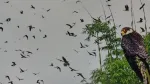
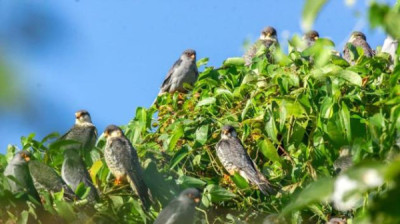
Amur Falcons are small migratory raptors belonging to the falcon family. They breed in southeastern Siberia and northern China, near the Amur River region, and travel thousands of kilometers to reach their wintering grounds in southern Africa. India lies directly on their migration corridor, and Assam has emerged as one of their most important stopover regions in the entire route.
Main Locations of Amur Falcon Roosting in Assam
The primary roosting sites in Assam are found in:
-
New Tumbung forest area, near Umrangso
-
Habang (Umwang) and Umru II in West Karbi Anglong district
Among these, Umrangso has become the most well-known and accessible site, often compared with the famous Doyang Reservoir in Nagaland, another major roosting ground in Northeast India.
Why Do Amur Falcons Roost in Assam?
During their epic migration, Amur Falcons need safe habitats where they can:
-
Rest after long flights
-
Feed in large numbers
-
Build body fat before crossing oceans
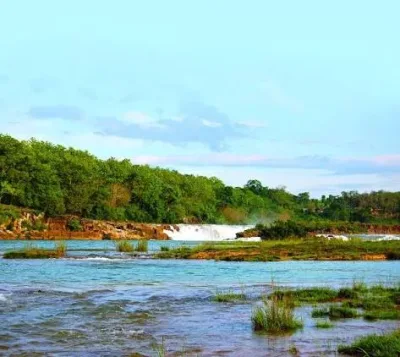
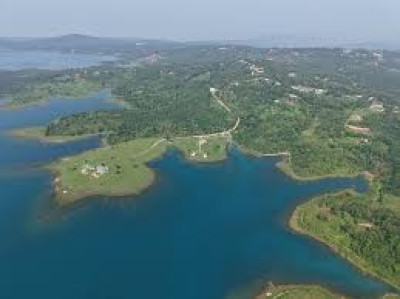
The hills, forests, and waters around the Kopili River reservoir near Umrangso provide ideal shelter and abundant insect populations. These birds mainly feed on termites and other flying insects, and during their ocean crossing they survive largely on migrating dragonflies. This natural food availability makes Assam a perfect refueling station.
Best Time to See Amur Falcons in Assam
Amur Falcons arrive in Assam between late September and October, with peak roosting seen from October to the first half of November. By mid-November, the birds depart from Assam and Nagaland and begin their non-stop flight across the Arabian Sea, which lasts approximately three and a half days, before continuing southward toward Africa.
During this short but spectacular season, thousands of falcons can be seen perched on trees or filling the skies in synchronized flight formations, making it one of the most remarkable birdwatching experiences in India.
Migration Route of the Amur Falcon
The migration journey of the Amur Falcon is considered one of the longest migrations among birds of prey:
-
Breeding grounds in southeastern Siberia and northern China
-
Migration through East Asia and India
-
Stopover in Assam and Nagaland
-
Non-stop flight over the Arabian Sea
-
Wintering grounds in South Africa
Despite weighing only around 150 grams, these birds travel thousands of kilometers across continents and oceans, demonstrating extraordinary endurance and navigation abilities.
Falcon Festival and Conservation Importance
To celebrate and protect these migratory birds, the Amur Falcon Festival is held annually in Umrangso, Dima Hasao district. The festival promotes:
-
Bird conservation awareness
-
Eco-tourism
-
Community participation in wildlife protection
Once threatened due to hunting in some regions, conservation efforts and public awareness campaigns have helped protect the Amur Falcons, turning Assam into a symbol of successful migratory bird conservation.
Physical Features of the Amur Falcon
-
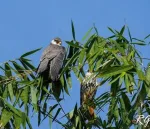
Males: Dark grey plumage with reddish-brown thighs, under-tail coverts, and orange eye rings and feet
-
Females: Duller appearance with scaly dark markings on whitish underparts and a faint rufous wash on thighs and under-tail
Both sexes are agile aerial hunters, adapted for catching insects during flight.
Dima Hasao Beyond Falcons
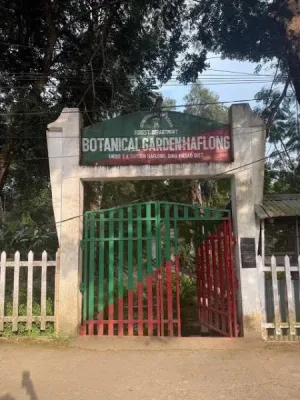
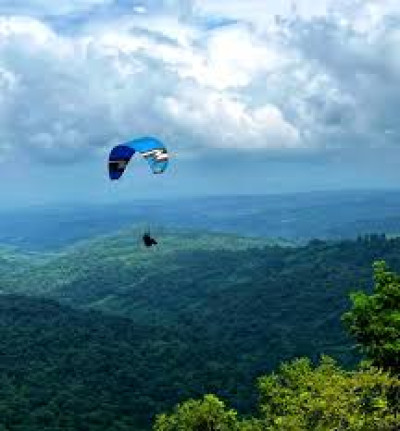
While the Amur Falcon roosting sites attract major attention, Dima Hasao district offers much more. Its headquarters Haflong, Assam's only hill station, is known for its hills, valleys, lakes, and adventure tourism opportunities. Places like Jatinga, Maibang, Haflong Lake, and Hajong Lake add to the district's ecological and tourism significance.
Why the Amur Falcon Roosting Site in Assam is Important
-
Supports one of the world's longest raptor migrations
-
Serves as a major resting and feeding ground
-
Promotes bird conservation and eco-tourism
-
Strengthens Assam's position in global migratory bird routes
-
Enhances environmental awareness among local communities